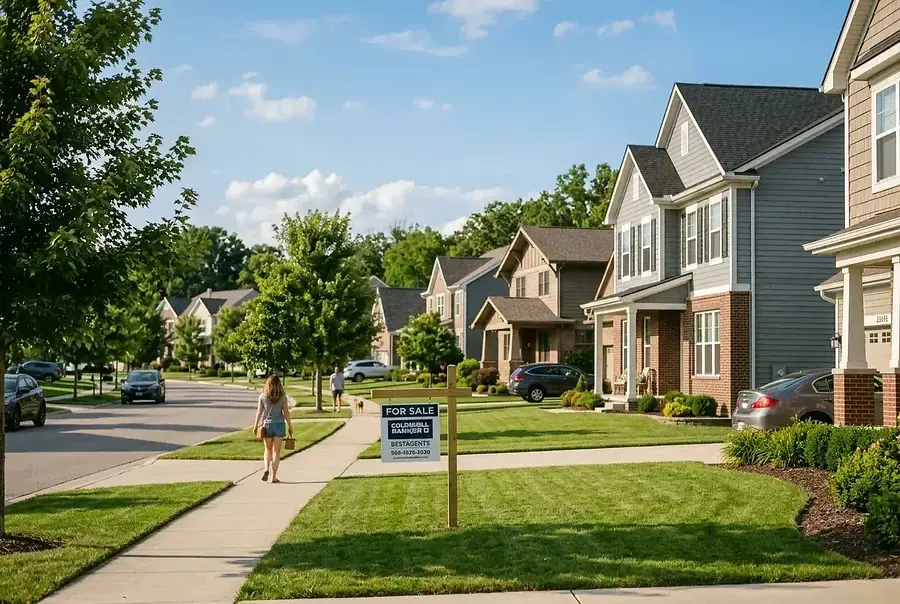
Understanding Market Fundamentals: Property Values and Growth Trends Across Western Wayne County
Western Wayne County has emerged as one of Michigan's most dynamic real estate markets, attracting investors seeking stable long-term growth and consistent rental demand. The region's diverse communities offer varying investment profiles, from established neighborhoods with steady appreciation to emerging areas poised for significant development.
Property values across Western Wayne County have demonstrated resilience and growth over recent years. Ann Arbor continues to lead the market with strong fundamentals driven by the University of Michigan's presence, creating consistent demand for both owner-occupied and rental properties. Farmington Hills and Novi have seen steady appreciation, supported by excellent schools, corporate headquarters, and growing populations.
Key Market Indicators
- Median home prices have increased steadily, with selective neighborhoods outperforming regional averages
- Population growth in suburban communities continues to drive demand for residential properties
- Low unemployment rates and strong job markets support property values and rental demand
- School district quality remains a primary driver of property appreciation in family-oriented neighborhoods
Comparing Investment Returns: Which Residential Communities Deliver the Best ROI
Return on investment varies significantly across Western Wayne County communities, depending on property type, location, and market conditions. Savvy investors must evaluate both appreciation potential and cash flow to determine optimal investment targets.
High-Appreciation Communities
Ann Arbor offers exceptional long-term appreciation potential, with properties in desirable neighborhoods near the university consistently outperforming market averages. The student housing market provides unique opportunities for investors seeking higher rental yields, though these properties require active management.
Novi has emerged as a growth leader, with new development projects and corporate relocations driving property values upward. Neighborhoods near major employment centers and shopping districts command premium prices and attract quality tenants.
Balanced Return Communities
Farmington Hills delivers balanced returns through steady appreciation combined with reliable rental income. The community's established infrastructure, excellent schools, and diverse housing stock appeal to both owner-occupants and investors seeking stable, predictable returns.
"The best investment isn't always the property with the highest price tag—it's the one that aligns with your financial goals and risk tolerance."
Cash Flow Analysis: Rental Income Potential in Ann Arbor, Farmington Hills, Novi, and Surrounding Areas
Rental income potential represents a critical component of residential investment analysis. Western Wayne County communities offer diverse rental markets with varying tenant profiles and income stability.
Ann Arbor Rental Market
Ann Arbor's rental market is driven by university students, faculty, and young professionals. Single-family homes and multi-unit properties near campus command premium rents, with occupancy rates typically exceeding 95%. However, seasonal turnover and student tenant management require careful consideration.
Farmington Hills and Novi Rental Dynamics
These communities attract professional tenants and families seeking quality neighborhoods. Rental rates are competitive, and tenant stability is generally higher than university-adjacent markets. Properties in these areas typically experience longer lease terms and lower turnover, reducing vacancy risk and management costs.
Rental Income Benchmarks
- Single-family homes: Gross rental yields typically range from 4-6% depending on location and property condition
- Multi-unit properties: Potential for higher yields, particularly in high-demand neighborhoods
- Occupancy rates: Generally strong across the region, with 90%+ occupancy in established communities
- Tenant quality: Professional and family tenants dominate suburban markets, reducing risk
Making Your Investment Decision: Key Factors to Evaluate Before Purchasing Property
Successful residential investment requires thorough analysis and strategic decision-making. Before committing capital to any property, investors should evaluate multiple critical factors.
Financial Considerations
Cash flow analysis must account for all expenses: mortgage payments, property taxes, insurance, maintenance, property management, and vacancy reserves. Calculate your actual cash-on-cash return, not just gross rental income. Appreciation potential should be evaluated through comparable sales analysis, neighborhood trends, and development plans. Consider both short-term and long-term appreciation scenarios.
Property and Neighborhood Evaluation
Examine the property's condition, age, and required repairs. Older properties may offer lower purchase prices but higher maintenance costs. Evaluate neighborhood stability, school quality, employment centers, and future development plans. Properties near universities, major employers, or planned infrastructure improvements often demonstrate stronger appreciation.
Market Timing and Strategy
Understand whether you're pursuing a buy-and-hold strategy for long-term appreciation or a cash flow strategy for immediate income. Different properties suit different strategies. Market conditions matter—inventory levels, days-on-market, and price trends indicate whether you're in a buyer's or seller's market.
Risk Assessment
- Evaluate tenant demand and rental market stability in your target neighborhood
- Consider economic factors affecting employment and population growth
- Assess property-specific risks including structural issues, environmental concerns, or zoning limitations
- Maintain adequate reserves for unexpected repairs and vacancy periods
- Diversify across multiple properties or communities to reduce concentration risk
Professional Guidance
Consult with real estate professionals, including agents familiar with investment properties, accountants experienced in real estate taxation, and attorneys specializing in property law. Their expertise can identify opportunities and risks that individual investors might overlook.
Western Wayne County offers compelling residential investment opportunities for investors willing to conduct thorough analysis and develop strategic investment plans. By understanding market fundamentals, comparing returns across communities, analyzing cash flow potential, and carefully evaluating each investment opportunity, you can build a successful real estate portfolio aligned with your financial objectives.
