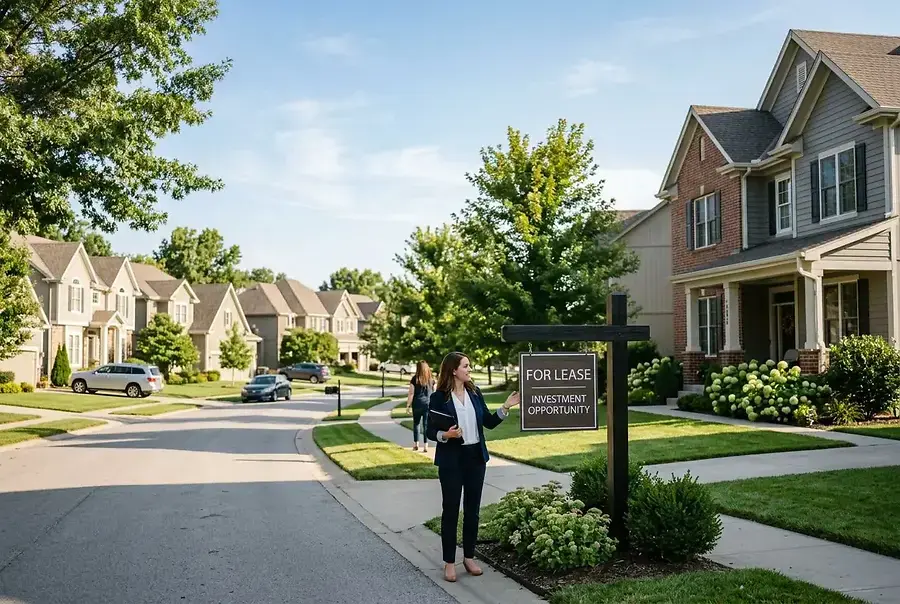
Understanding the Kansas City Metro Residential Investment Market: Key Metrics and Growth Trends
The Kansas City metropolitan area has emerged as one of the most attractive residential investment markets in the Midwest. With a diverse economy, steady population growth, and affordable entry points compared to coastal markets, Kansas City offers compelling opportunities for both novice and experienced investors.
The region's residential market demonstrates several key strengths. Population growth continues to outpace the national average, driven by young professionals relocating for job opportunities in healthcare, technology, and financial services. Property appreciation rates have consistently exceeded inflation, while rental demand remains robust across multiple neighborhoods.
Current market indicators show:
- Average single-family home prices ranging from $250,000 to $450,000 across prime investment neighborhoods
- Rental yields between 5-8% annually in high-demand areas
- Low vacancy rates averaging 4-6% in established residential communities
- Year-over-year appreciation rates of 3-5% in strategic neighborhoods
These metrics position Kansas City as an ideal market for buy-and-hold strategies and cash flow-focused investors seeking stable, long-term returns.
Top Investment Neighborhoods Compared: Rental Income Potential, Property Values, and Tenant Demand Across 16 Communities
Premium Investment Neighborhoods
Leawood and Overland Park represent the upper tier of Kansas City investments. These affluent Johnson County communities attract high-quality tenants with strong credit profiles and stable employment. Properties command premium prices ($400,000-$600,000+), but rental yields remain competitive at 5-6%, with exceptional tenant retention rates exceeding 85%.
Midtown and Crossroads offer urban investment appeal with younger demographic appeal. These neighborhoods feature mixed-use properties, shorter lease terms, and higher turnover, but rental yields reach 6-7% with strong appreciation potential as urban revitalization continues.
Emerging Value Neighborhoods
Lee's Summit, Blue Springs, and Independence provide excellent value propositions. Properties range from $200,000-$350,000, with rental yields of 6-8% and growing tenant demand from families seeking suburban amenities. These communities show consistent appreciation and lower competition among investors.
Raytown and Grandview offer aggressive cash flow opportunities. Entry prices of $150,000-$250,000 enable higher cap rates of 7-9%, though these neighborhoods require more active management and tenant screening.
Balanced Opportunity Neighborhoods
Shawnee, Lenexa, and Olathe balance appreciation potential with solid rental income. These Kansas-side communities attract families and young professionals, offering 5-7% yields with moderate appreciation and lower vacancy rates.
"The key to successful Kansas City residential investing is matching your investment strategy with neighborhood characteristics. Premium neighborhoods offer stability; emerging neighborhoods offer cash flow; balanced neighborhoods offer both."
Financing and Cash Flow Strategies for Residential Investment Properties in the Kansas City Region
Conventional Investment Financing
Most residential investors utilize conventional mortgages with 20-25% down payments, securing rates between 6-7% for investment properties. Kansas City's competitive lending environment provides multiple options from local and national lenders familiar with the market.
Key financing considerations:
- Investment property loans typically require higher credit scores (680+) and debt-to-income ratios below 40%
- Loan terms range from 15-30 years, with shorter terms building equity faster
- Cash reserves of 6-12 months are increasingly required by lenders
- Local portfolio lenders often provide more flexible terms for experienced investors
Cash Flow Optimization Strategies
The 1% Rule remains relevant in Kansas City. Target properties where monthly rent equals at least 1% of purchase price. A $250,000 property should generate $2,500+ monthly rent to meet this benchmark.
Expense Management directly impacts profitability. Budget 25-35% of rental income for property taxes, insurance, maintenance, and management. Kansas City's moderate property taxes (averaging 0.8-1.2% of property value) provide advantages over many markets.
Appreciation Plus Cash Flow strategy combines neighborhoods offering both metrics. Lee's Summit and Blue Springs exemplify this approach, delivering 6-7% yields while appreciating 3-4% annually.
Making Your Decision: Evaluation Checklist for Selecting the Right Investment Property and Neighborhood
Neighborhood Evaluation Criteria
Before committing capital, assess these essential factors:
- Employment Centers: Proximity to major employers ensures tenant stability and rental demand
- School Districts: Quality schools attract family renters and support long-term appreciation
- Infrastructure Development: Planned improvements signal future growth and appreciation potential
- Crime Statistics: Lower crime rates correlate with higher tenant quality and property values
- Rental Market Dynamics: Analyze vacancy rates, rent trends, and tenant demand over 3-5 years
- Property Tax Trends: Monitor assessment increases that impact cash flow
Property-Specific Analysis
Evaluate individual properties using these metrics:
- Cap Rate Calculation: (Annual Net Operating Income ÷ Purchase Price) × 100. Target 5-8% depending on neighborhood tier
- Cash-on-Cash Return: (Annual Cash Flow ÷ Total Cash Invested) × 100. Aim for 8-12% minimum
- Condition Assessment: Inspect for deferred maintenance that impacts immediate cash flow
- Comparable Rent Analysis: Research similar properties to validate rental income projections
- Tenant Profile: Understand who rents in the neighborhood and their income stability
Final Decision Framework
Successful Kansas City residential investors follow this decision process:
Step 1: Define your investment objective—cash flow, appreciation, or balanced approach.
Step 2: Select 2-3 neighborhoods aligned with your strategy and risk tolerance.
Step 3: Analyze 5-10 properties in each neighborhood using cap rate and cash-on-cash metrics.
Step 4: Conduct thorough due diligence including inspections, title searches, and tenant verification.
Step 5: Secure financing and build your investment team (property manager, accountant, contractor).
The Kansas City metro offers exceptional residential investment opportunities across diverse neighborhoods and price points. By understanding market dynamics, comparing neighborhoods strategically, and applying disciplined financial analysis, investors can build profitable portfolios generating both immediate cash flow and long-term appreciation. Success requires patience, research, and alignment between property selection and personal investment objectives.