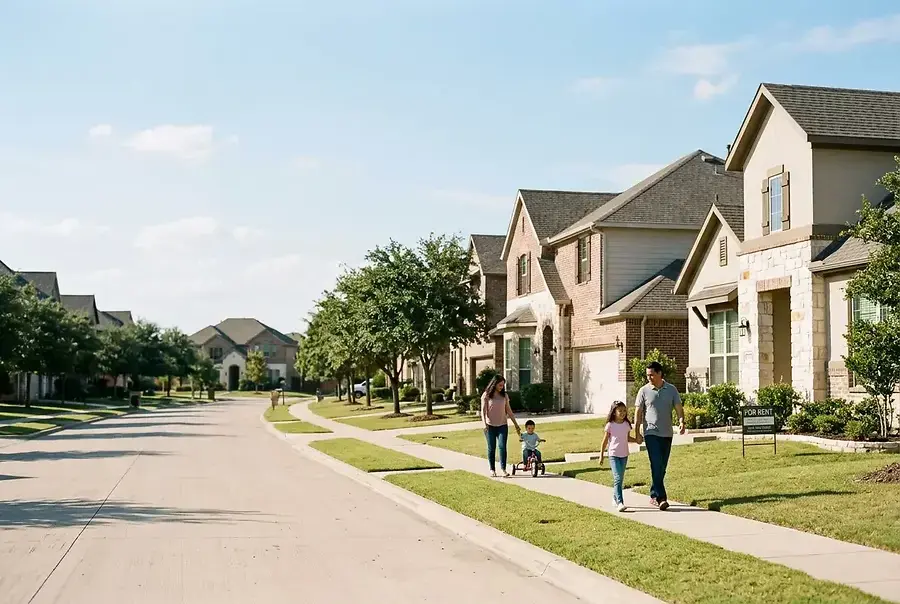
Understanding the Irving and Frisco Investment Landscape
Irving and Frisco have emerged as two of the most dynamic real estate markets in the Dallas-Fort Worth metroplex. Both cities offer unique advantages for residential investors seeking stable returns and long-term wealth building. Irving, with its established infrastructure and diverse economy, provides a mature market with consistent demand, while Frisco represents a rapidly growing suburban destination attracting young families and professionals.
The investment landscape in these markets is characterized by strong population growth, corporate relocations, and robust job creation. Major corporations have established headquarters and significant operations in both cities, driving demand for housing and creating a stable tenant base. This economic foundation makes both Irving and Frisco attractive destinations for residential investors looking to capitalize on sustained market growth.
Market Demographics and Economic Drivers
Irving's strategic location near Dallas-Fort Worth International Airport and its position as a major business hub make it an ideal investment destination. The city hosts numerous Fortune 500 companies and technology firms, ensuring a steady influx of professionals seeking quality rental properties. Frisco, meanwhile, has experienced explosive growth over the past decade, with its population expanding rapidly due to excellent schools, family-friendly amenities, and new commercial developments.
Both markets benefit from diversified economic bases that reduce dependency on any single industry, providing stability for long-term investors. The presence of healthcare facilities, retail centers, and entertainment venues further strengthens the appeal of these communities.
Rental Demand and Cash Flow Potential in Both Markets
One of the most compelling reasons to invest in Irving and Frisco is the exceptional rental demand. Both cities attract renters from various demographics—young professionals, relocating families, and corporate employees—creating a diverse tenant pool and reducing vacancy risks.
Irving's Rental Market Strength
Irving's rental market is characterized by consistent occupancy rates and competitive rental prices. The city's proximity to major employment centers and transportation hubs makes it an attractive option for renters who prioritize convenience and affordability. Average rental rates in Irving support healthy cash flow for investors, with many properties generating positive monthly returns after accounting for expenses.
- Strong tenant demand from corporate relocations
- Competitive rental rates supporting investor returns
- Low vacancy rates compared to national averages
- Diverse renter demographics reducing concentration risk
Frisco's High-Growth Rental Opportunities
Frisco's rental market is experiencing accelerated growth as the city continues to expand. New residential developments attract renters seeking modern amenities and quality construction. The city's reputation for excellent schools and safe neighborhoods makes it particularly appealing to families, creating sustained demand for single-family rentals and multi-unit properties.
- Rapid population growth driving rental demand
- Premium rental rates reflecting market desirability
- Strong appeal to families and young professionals
- Emerging neighborhoods offering entry-level investment opportunities
Cash Flow Projections
Investors in both markets can expect solid cash flow returns when properly positioned. A typical single-family rental in Irving might generate monthly cash flow of $300-$600 after expenses, while Frisco properties, commanding higher rental rates, could produce $400-$800 monthly. These figures demonstrate the income-generating potential of residential investments in these markets.
Property Appreciation Trends and Market Comparisons
Beyond rental income, property appreciation represents a significant wealth-building component for residential investors. Both Irving and Frisco have demonstrated consistent appreciation trends that outpace national averages, making them attractive for long-term capital growth.
Irving's Steady Appreciation
Irving's property values have appreciated steadily over the years, reflecting the city's economic stability and established market position. The mature market offers predictable appreciation rates, typically ranging from 3-5% annually. This consistent growth, combined with rental income, creates a powerful wealth-building strategy for patient investors.
Frisco's Accelerated Growth Potential
Frisco's appreciation trajectory has been more aggressive, with property values increasing at rates often exceeding 5-7% annually in recent years. This accelerated growth reflects the city's rapid development, population influx, and improving infrastructure. Investors who purchase properties in emerging neighborhoods may benefit from even higher appreciation as these areas mature and develop.
Comparative Market Analysis
While Frisco offers higher appreciation potential, Irving provides more stable, predictable returns.
The choice between these markets depends on your investment strategy: choose Irving for steady, reliable cash flow and moderate appreciation, or select Frisco for higher growth potential with slightly more market volatility.Many sophisticated investors maintain portfolios in both markets to balance risk and return.
Getting Started: Steps to Purchase Your First Investment Property
Entering the Irving and Frisco investment markets requires careful planning and strategic execution. Follow these essential steps to launch your residential investment journey.
Step 1: Assess Your Financial Position
Begin by evaluating your financial readiness. Determine your available capital for down payments, closing costs, and reserves. Most lenders require 15-25% down payments for investment properties, and maintaining 6-12 months of expenses in reserves is prudent. Ensure your credit score is strong and your debt-to-income ratio is favorable for securing favorable financing terms.
Step 2: Get Pre-Approved for Financing
Work with lenders experienced in investment property financing. Pre-approval demonstrates your seriousness to sellers and accelerates the purchase process. Investment property loans typically have different terms than primary residence mortgages, so partner with lenders familiar with this market segment.
Step 3: Research and Identify Target Properties
Conduct thorough market research to identify neighborhoods with strong fundamentals. Analyze rental rates, vacancy rates, property appreciation trends, and demographic data. Focus on properties that align with your investment strategy—whether prioritizing cash flow or appreciation potential.
Step 4: Partner with Local Real Estate Professionals
Engage experienced real estate agents and property managers familiar with Irving and Frisco markets. These professionals provide invaluable insights into neighborhood trends, comparable sales, and property management best practices. Local expertise is crucial for making informed investment decisions.
Step 5: Conduct Thorough Due Diligence
Before making an offer, conduct comprehensive inspections, appraisals, and title searches. Analyze the property's condition, potential repair costs, and rental income potential. Ensure the numbers support your investment thesis and expected returns.
Step 6: Execute Your Purchase Strategy
Make competitive offers based on market analysis and comparable sales. Negotiate terms favorable to your investment goals. Once under contract, finalize financing, complete inspections, and prepare for closing. Work with a real estate attorney to ensure all documentation is properly executed.
Conclusion
Irving and Frisco represent exceptional opportunities for residential investors seeking consistent cash flow and long-term appreciation. Whether you prioritize steady income or growth potential, these Dallas suburbs offer the economic fundamentals, rental demand, and market dynamics necessary for successful real estate investing. By following a structured approach and leveraging local expertise, you can build a profitable residential investment portfolio in these thriving markets.