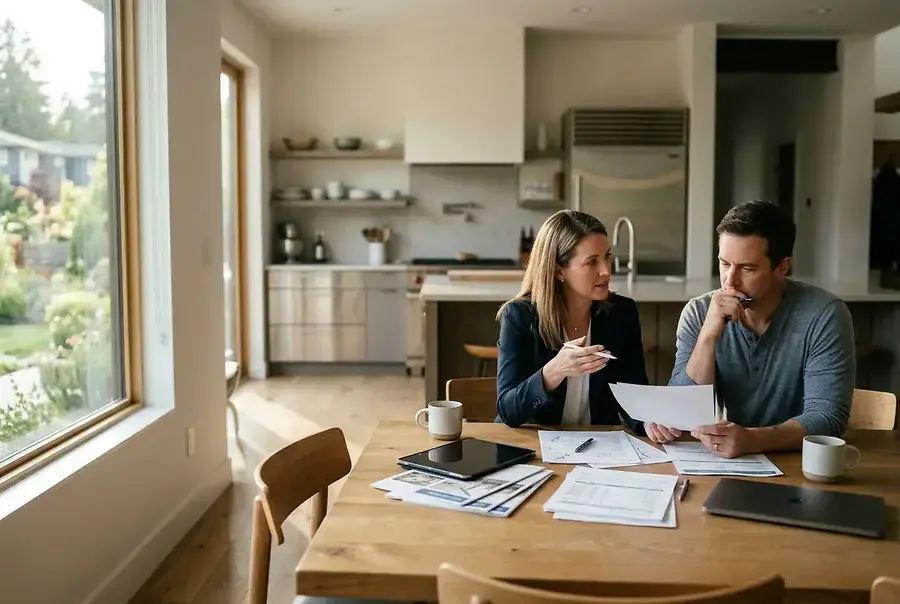
What Happens After the Home Inspection
The home inspection is a critical milestone in any real estate transaction. Once the inspector completes their thorough evaluation, buyers receive a detailed report highlighting any issues discovered. This is when the real negotiation begins. As a seller, understanding what comes next and how to respond strategically can make the difference between a smooth closing and a deal that falls apart.
After receiving the inspection report, buyers typically have a window of time—usually 5-10 days—to submit repair requests or ask for credits. This is your opportunity to evaluate each request carefully and decide your response. The key is balancing cooperation with protecting your financial interests and timeline.
The Most Common Repair Requests Buyers Make and Why
Structural and Foundation Issues
Buyers are understandably concerned about the foundation and structural integrity of a home. Common requests include repairs for cracks in the foundation, settling issues, or water damage. These concerns are legitimate, as foundation problems can be expensive to fix and affect the home's long-term value. If your inspection reveals minor cosmetic cracks, you might negotiate a credit instead of repairs. However, significant structural issues often require professional assessment and repair.
Roof and Water Damage
Roof condition is one of the most frequently requested repairs. Buyers worry about leaks, missing shingles, and the remaining lifespan of the roof. Water damage in attics, ceilings, or walls also triggers repair requests. These are reasonable concerns since roof replacement is expensive. Consider getting a professional roof inspection to provide documentation of the roof's condition and expected lifespan.
HVAC System Repairs
Heating, ventilation, and air conditioning systems are critical to home comfort. Buyers often request repairs if the system is aging, making unusual noises, or not functioning properly. Providing maintenance records and a professional HVAC inspection can help you negotiate more effectively. Sometimes a simple repair or cleaning is sufficient to satisfy the buyer's concerns.
Electrical and Plumbing Issues
Outdated wiring, non-functional outlets, and plumbing problems are common red flags for buyers. These systems are essential for safety and functionality. If issues are minor, offering a credit might be more cost-effective than hiring contractors. However, safety-related electrical issues should typically be addressed professionally.
Cosmetic and Minor Repairs
Buyers often request repairs for issues like peeling paint, damaged flooring, broken fixtures, or landscaping problems. While these seem minor, they can add up quickly. Evaluate which repairs are worth doing yourself versus which ones you should negotiate as credits.
Negotiation Strategies for Handling Repair Demands
Get Your Own Professional Inspections
Don't rely solely on the buyer's inspection report. Hire your own contractors to assess disputed items. A professional plumber, electrician, or roofer can provide a second opinion and documentation that supports your position. This gives you credibility during negotiations and helps you understand the true cost of repairs.
Prioritize Your Responses
Not all repair requests are created equal. Categorize requests into three groups:
- Must-fix items: Safety issues, major structural problems, and items required by lenders or local codes
- Negotiable items: Repairs that are important but could be handled with credits or partial repairs
- Optional items: Cosmetic issues that you can reasonably decline or offer credits for
Offer Strategic Alternatives
You don't always have to agree to repairs as requested. Consider these alternatives:
- Credits: Offer a credit toward closing costs instead of doing the repair. This gives buyers flexibility and often costs you less
- Partial repairs: Fix the most critical issues and offer a credit for the rest
- Contractor recommendations: Suggest qualified contractors and offer to coordinate the work
- Warranties: Provide home warranties that cover major systems for the first year
Document Everything
Keep detailed records of all maintenance and repairs you've done on the home. Documentation strengthens your negotiating position by showing you've maintained the property well. If you have receipts for recent work, share them with the buyer. This can help justify why certain systems are in good condition.
Know Your Market
Understanding your local real estate market is crucial. In a buyer's market, you may need to be more accommodating with repair requests. In a seller's market, you have more leverage to decline unreasonable demands. Your real estate agent can provide valuable insight into what's typical for your area and price range.
Set Boundaries and Stick to Them
It's easy to feel pressured to agree to every request, but remember:
You have the right to decline repairs that are unreasonable, overly expensive, or not your responsibility.If a buyer requests repairs that seem excessive or if they keep adding new requests, it may be a sign of a difficult transaction. Don't be afraid to walk away if negotiations become unreasonable.
Communicate Through Your Agent
Let your real estate agent handle most communications with the buyer. This keeps emotions out of negotiations and maintains professionalism. Your agent can present your position diplomatically and help find creative solutions that satisfy both parties.
Closing Successfully While Protecting Your Interests
The goal of post-inspection negotiations is to reach an agreement that allows the sale to close on time while protecting your financial interests. Remember that most buyers are reasonable and simply want assurance that they're making a sound investment. By responding professionally, providing documentation, and offering fair alternatives, you can navigate this critical phase successfully.
Stay flexible but firm. Be willing to negotiate on items that are genuinely important to the buyer, but don't let unreasonable demands derail your sale. With the right strategy and mindset, you can turn post-inspection negotiations into an opportunity to build trust and move toward a successful closing.