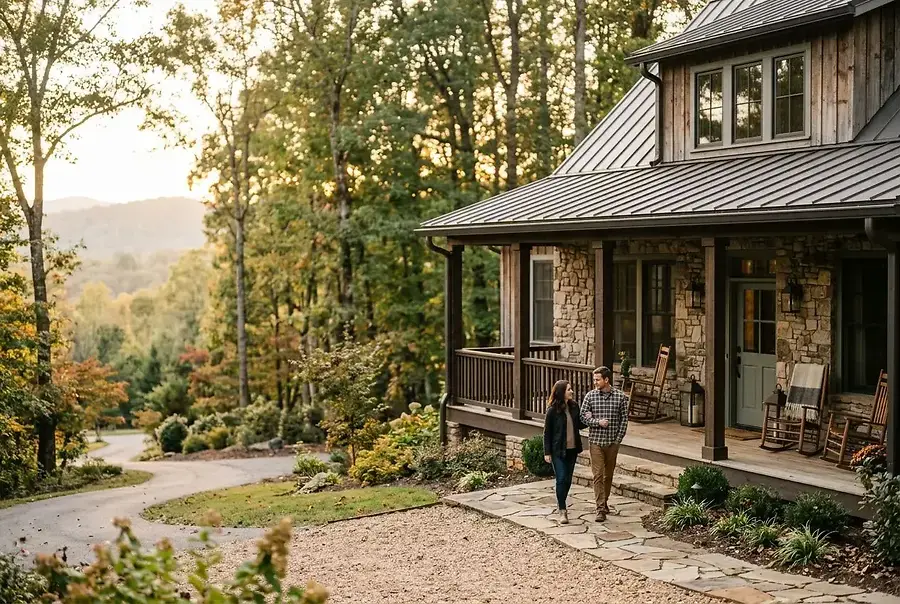
The Appeal of Historic Properties in the Mountain Communities
The mountain communities of Sewanee, Monteagle, and Cowan possess a distinctive charm that draws homeowners and investors alike. These areas are characterized by historic properties with architectural significance, many dating back over a century. From Victorian cottages to stone farmhouses, each structure tells a story of the region's rich cultural heritage.
Historic homes in these mountain communities offer more than aesthetic appeal. They provide authentic character that new construction simply cannot replicate. The craftsmanship, materials, and design elements found in older homes reflect the era in which they were built, creating spaces with genuine personality and warmth. Property owners who invest in these homes often find that thoughtful renovations increase both property value and personal satisfaction.
However, owning a historic property comes with unique responsibilities. These homes require specialized knowledge and careful planning to maintain their integrity while meeting modern living standards.
Renovation Challenges and Solutions for Older Mountain Homes
Understanding Structural and Environmental Challenges
Mountain properties face distinct environmental pressures that can complicate renovation projects. Moisture infiltration, foundation settling, and weather exposure are common issues in older homes situated in areas with significant elevation changes and seasonal weather variations.
- Foundation Issues: Mountain terrain can cause uneven settling. Professional assessment is essential before beginning any major renovation work.
- Moisture and Humidity: Higher elevations and mountain weather patterns create moisture challenges. Proper ventilation and waterproofing solutions are critical.
- Outdated Systems: Electrical, plumbing, and HVAC systems in older homes often require complete replacement to meet current safety codes.
- Structural Integrity: Aging wood framing, compromised beams, and deteriorating materials need professional evaluation and repair.
Working with Local Expertise
The key to successful renovation in these mountain communities is partnering with contractors and specialists familiar with local conditions. Professionals who understand the specific challenges of Sewanee, Monteagle, and Cowan properties can provide solutions tailored to the region's climate, soil composition, and building traditions.
Before beginning any renovation, conduct a comprehensive home inspection by someone experienced with historic properties. This assessment should identify hidden problems and help prioritize work in a logical sequence that prevents costly mistakes.
Balancing Historic Preservation with Modern Updates and Amenities
Maintaining Architectural Integrity
The challenge of renovation lies in preserving what makes these homes special while adding modern conveniences. This requires a thoughtful approach that respects the original design while meeting contemporary needs.
Key preservation strategies include:
- Exterior Restoration: Maintain original siding, roofing materials, and architectural details. When replacement is necessary, use period-appropriate materials that match the original character.
- Window and Door Preservation: Original windows and doors are character-defining features. Repair and restore rather than replace when possible. If replacement is necessary, choose styles that match the original design.
- Interior Details: Preserve original hardwood floors, trim, moldings, and hardware. These elements contribute significantly to a home's historic character and value.
- Structural Elements: Keep original beams, fireplaces, and architectural features visible when feasible. These elements are often the most charming aspects of historic homes.
Integrating Modern Comfort and Functionality
Historic homes don't need to feel outdated. Strategic modernization can enhance comfort without compromising character. Consider these approaches:
Kitchen and Bath Updates: These spaces benefit most from modern functionality. Update plumbing and electrical systems, add contemporary fixtures, and improve storage while maintaining the room's historic proportions and style. Period-inspired cabinetry and fixtures can bridge the gap between old and new.
Climate Control: Modern HVAC systems can be installed discreetly. Ductless mini-split systems offer efficient heating and cooling without requiring extensive ductwork that disrupts historic interiors. Proper insulation in walls and attics improves energy efficiency while maintaining exterior appearance.
Technology Integration: Incorporate modern conveniences like updated electrical systems, internet connectivity, and smart home features in ways that remain invisible. Run wiring through walls and attics rather than surface-mounting when possible.
Lighting Solutions: Replace outdated electrical systems with modern wiring that supports contemporary lighting needs. Choose fixtures that complement the home's era while providing adequate illumination.
Working with Historic Preservation Guidelines
Some properties in these mountain communities may be listed on historic registers or located in historic districts. Understanding local preservation requirements is essential. Many communities offer guidelines and resources for homeowners undertaking renovations. These guidelines, while sometimes restrictive, ultimately protect property values and community character.
Consult with local historic preservation offices before beginning major exterior work. They can provide guidance on appropriate materials, colors, and design approaches that satisfy both preservation standards and your renovation goals.
Enhancing Your Investment Through Thoughtful Renovation
Renovating a historic home in Sewanee, Monteagle, or Cowan is an investment in both property value and quality of life. Properties that successfully balance historic preservation with modern amenities command premium prices and attract buyers who appreciate authentic character combined with contemporary comfort.
The renovation process should follow these principles:
- Plan Comprehensively: Develop a detailed renovation plan that addresses structural issues first, then systems, then aesthetic improvements.
- Budget Realistically: Historic renovations often cost more than new construction due to unforeseen issues and the need for specialized materials and labor.
- Prioritize Authenticity: When making choices between options, lean toward solutions that preserve historic character.
- Document Your Work: Keep records of all renovations, materials used, and contractors involved. This documentation enhances future resale value.
- Seek Professional Guidance: Engage architects, contractors, and preservationists experienced with historic properties in your region.
Historic homes in these mountain communities represent irreplaceable pieces of regional heritage. By approaching renovation with respect for the original design and careful attention to modern needs, homeowners can create spaces that honor the past while embracing the present. The result is a home that provides genuine comfort, authentic character, and lasting value for generations to come.