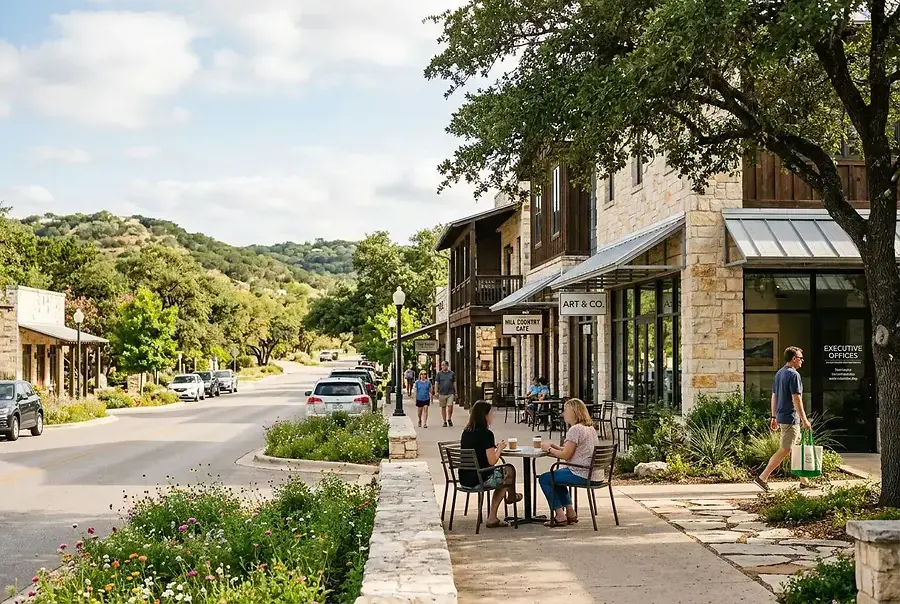
Understanding the Commercial Real Estate Landscape Across Texas Hill Country
The Texas Hill Country has emerged as one of the most dynamic commercial real estate markets in the state. With its picturesque landscapes, thriving communities, and strategic location between Austin and San Antonio, the region continues to attract businesses of all sizes. The commercial real estate landscape here differs significantly from urban centers, offering unique opportunities for property owners and investors seeking sustainable growth.
Market Growth and Economic Drivers
The Hill Country's economic expansion is fueled by several key factors. Tourism remains a cornerstone of the regional economy, with visitors drawn to natural attractions, wineries, and recreational activities. Additionally, remote work trends have encouraged businesses to establish satellite offices in these communities, while the region's quality of life attracts entrepreneurs and established companies alike.
Key economic drivers include:
- Growing population influx from major metropolitan areas
- Increased tourism and hospitality demand
- Expansion of small and medium-sized enterprises
- Development of mixed-use commercial spaces
- Infrastructure improvements and accessibility enhancements
Identifying High-Potential Retail and Office Spaces in Key Hill Country Markets
Success in Hill Country commercial real estate begins with identifying the right properties in the right locations. Different communities within the region offer distinct advantages depending on your target market and business model.
Prime Hill Country Communities for Commercial Leasing
Towns like Fredericksburg, Wimberley, Dripping Springs, and Johnson City have established themselves as commercial hubs. Fredericksburg, known for its wine industry and tourism, offers excellent retail opportunities. Wimberley attracts creative professionals and artisans, making it ideal for boutique retail and design-focused offices. Dripping Springs continues to experience rapid commercial development, while Johnson City provides more affordable options for emerging businesses.
Evaluating Property Potential
When assessing commercial properties, consider foot traffic patterns, visibility from main roads, parking availability, and proximity to complementary businesses. High-potential spaces typically feature:
- Strategic corner locations or high-visibility storefronts
- Adequate parking and loading facilities
- Flexible floor plans adaptable to various business types
- Modern utilities and infrastructure
- Proximity to dining, retail, and entertainment options
Properties near town centers and established business districts command premium lease rates due to their accessibility and established customer bases. However, emerging commercial areas often provide better value for long-term growth potential.
Negotiating Favorable Lease Terms and Building Long-Term Tenant Relationships
Successful leasing extends beyond simply signing agreements. Building strong tenant relationships and negotiating terms that benefit both parties creates stability and reduces vacancy rates.
Lease Structure and Terms
Hill Country commercial leases typically range from three to five years, though longer terms are increasingly common. Consider offering flexible terms that include:
- Graduated rent increases tied to market conditions
- Tenant improvement allowances for quality operators
- Renewal options that provide stability for both parties
- Performance-based incentives for long-term commitments
- Clear maintenance and responsibility clauses
Tenant Selection and Relationship Building
The quality of your tenants directly impacts your property's success. Conduct thorough background checks, verify business references, and assess financial stability. Prioritize tenants who:
- Align with your property's brand and community character
- Demonstrate strong financial credentials
- Show commitment to long-term operations
- Contribute positively to the local business ecosystem
- Maintain professional standards and community engagement
Regular communication, responsive maintenance, and fair treatment foster tenant loyalty and reduce turnover costs. Properties with stable, satisfied tenants command higher valuations and attract better-quality future tenants.
Positioning Your Commercial Properties for Maximum Profitability and Growth
To maximize returns on Hill Country commercial properties, implement strategic positioning and continuous improvement initiatives.
Property Enhancement and Modernization
Invest in regular updates that maintain competitiveness without requiring complete renovations. Modernized spaces attract quality tenants willing to pay premium rates. Focus on high-impact improvements such as updated lighting, improved landscaping, enhanced signage, and technology infrastructure.
Marketing and Tenant Recruitment
Effective marketing reaches potential tenants actively seeking Hill Country locations. Utilize digital platforms, local business networks, and commercial real estate brokers to showcase your properties.
Properties that tell a compelling story about community, lifestyle, and business opportunity attract higher-quality tenants and command stronger lease rates.
Diversification and Mixed-Use Development
Consider mixed-use developments that combine retail, office, and residential components. These properties generate multiple revenue streams and create vibrant community spaces that attract both tenants and customers. Hill Country communities increasingly favor developments that enhance walkability and create gathering spaces.
Monitoring Market Trends and Adjusting Strategy
Stay informed about regional economic indicators, demographic shifts, and emerging business sectors. The Hill Country market evolves continuously, with new opportunities emerging in wellness services, creative industries, and specialized retail. Adapt your property positioning to capitalize on these trends while maintaining the character and values that define Hill Country communities.
Success in Hill Country commercial real estate requires patience, strategic thinking, and genuine commitment to community development. By understanding market dynamics, selecting quality tenants, and continuously improving your properties, you can build a profitable portfolio that contributes to the region's continued growth and prosperity.