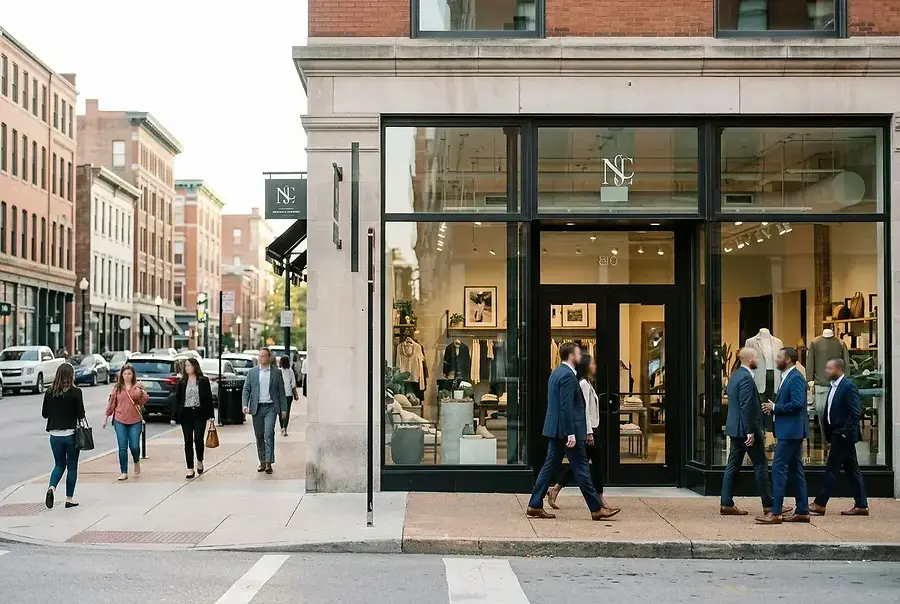
Understanding Saint Louis's Retail Market Landscape
Saint Louis presents a dynamic and evolving retail market with distinct opportunities for savvy business owners. The city's diverse neighborhoods, from the vibrant downtown corridor to emerging suburban centers, offer varied demographics and consumer behaviors that directly impact retail success. Understanding this landscape is crucial before committing to any lease agreement.
The Saint Louis retail market has experienced significant transformation in recent years, with shifting consumer preferences toward experiential retail and mixed-use developments. Downtown areas have seen renewed investment, while suburban shopping districts continue to attract family-oriented retailers. The city's strategic location in the Midwest positions it as a regional hub for commerce and distribution.
Market data indicates that foot traffic patterns, demographic density, and accessibility remain critical factors influencing retail performance. Retailers must analyze these elements within the context of their specific business model and target customer base.
Key Factors for Selecting the Right Retail Location
Demographic Analysis and Target Market Alignment
Before signing any lease, conduct thorough demographic research to ensure alignment between your target market and the location's population. Consider factors such as:
- Age distribution – Does the neighborhood skew toward young professionals, families, or retirees?
- Income levels – Are residents' purchasing power and spending habits compatible with your business model?
- Consumer preferences – What types of retail establishments do locals currently support?
- Population density – Is there sufficient foot traffic to sustain your business?
Accessibility and Visibility
Prime retail locations balance accessibility with visibility. Look for spaces with:
- High visibility from major roads and intersections
- Convenient parking availability for customers
- Easy access via public transportation
- Proximity to complementary businesses that drive cross-traffic
- Clear signage opportunities and storefront prominence
Visibility matters tremendously – a hidden gem location may offer lower rent but could struggle to attract walk-in customers. Balance cost savings with realistic traffic projections.
Competition and Market Saturation
Analyze the competitive landscape in your target area. Too many similar retailers in one location can cannibalize sales, while strategic positioning near complementary businesses can enhance customer flow. Visit potential locations at different times to observe competitor activity and customer patterns.
Future Development and Growth Potential
Investigate planned developments, infrastructure improvements, and zoning changes in the area. A location that appears underutilized today might become a thriving retail hub with upcoming transit improvements or residential development. Conversely, declining neighborhoods may face headwinds regardless of your business quality.
Negotiating Favorable Lease Terms and Conditions
Understanding Lease Structure and Costs
Retail leases typically include base rent plus additional charges. Understand all components:
- Base rent – The primary monthly payment
- Common area maintenance (CAM) – Shared facility costs
- Property taxes and insurance – Your proportional share
- Percentage rent – Additional fees based on gross sales (common in malls)
Request detailed breakdowns and clarification on what's included in each category. Hidden costs can significantly impact profitability.
Lease Term Negotiation
The lease term length affects your flexibility and financial commitment. Consider:
- Initial term length – Shorter terms (3-5 years) offer flexibility; longer terms (10+ years) provide stability
- Renewal options – Negotiate favorable renewal rates to avoid relocating if the business thrives
- Expansion clauses – Include options to expand into adjacent spaces if your business grows
- Termination provisions – Understand penalties for early exit
Pro tip: Always negotiate renewal rates upfront rather than leaving them to future negotiation. This protects you from dramatic rent increases.
Tenant Improvement Allowances
Landlords often provide tenant improvement (TI) allowances to offset build-out costs. Negotiate aggressively here – these allowances can significantly reduce your initial capital requirements. Ensure the lease clearly defines what improvements the landlord will fund and what remains your responsibility.
Essential Lease Protections
Include protective clauses in your lease agreement:
- Co-tenancy clauses – Protect you if anchor tenants leave the property
- Exclusivity provisions – Prevent landlords from leasing to direct competitors
- Maintenance responsibilities – Clearly define what the landlord maintains versus your obligations
- Insurance requirements – Understand your liability coverage obligations
- Default provisions – Know what constitutes default and remedies available
Positioning Your Retail Business for Long-Term Growth
Creating a Sustainable Business Model
Your lease selection should support long-term business sustainability. Choose locations that allow for operational efficiency and customer loyalty development. Consider how the location supports your supply chain, staffing needs, and customer service capabilities.
Building Community Presence
Successful retail businesses become community anchors. Engage with local organizations, participate in neighborhood events, and build relationships with neighboring businesses. A strong community presence creates customer loyalty that transcends location-based advantages.
Adapting to Market Changes
The retail landscape continues evolving with e-commerce integration, omnichannel expectations, and changing consumer behaviors. Choose locations and lease terms that allow flexibility to adapt your business model. Consider how your physical space can integrate with online operations and whether the location supports future pivots.
Financial Planning and Contingency
Ensure your lease terms align with realistic financial projections. Build contingency into your budget for unexpected costs, market downturns, or slower-than-anticipated growth. Conservative financial planning prevents lease obligations from becoming unsustainable burdens.
Final Thoughts: Securing prime retail space in Saint Louis requires balancing opportunity with careful analysis. Take time to understand the market, evaluate locations thoroughly, negotiate strategically, and position your business for sustainable growth. The right location, combined with favorable lease terms and solid business fundamentals, creates the foundation for retail success in this vibrant market.