Understanding Current Retail Market Challenges in Dallas-Fort Worth
The Dallas-Fort Worth retail landscape is undergoing significant transformation. Traditional shopping centers face unprecedented challenges as consumer behavior shifts toward e-commerce and experiential shopping. Vacancy rates have climbed, and many property owners struggle to attract quality tenants in an increasingly competitive market.
The rise of online shopping has fundamentally altered how consumers approach retail. However, this challenge also presents an opportunity for forward-thinking property owners to reimagine their spaces. Understanding these market dynamics is the first step toward successful repositioning.
Key Market Pressures
- E-commerce Competition: Online retailers continue to capture market share, forcing physical retailers to adapt or close
- Changing Consumer Preferences: Shoppers increasingly seek experiences rather than just products
- Tenant Consolidation: Retail chains are reducing their footprint, leaving vacant spaces
- Rising Operating Costs: Property maintenance and tenant support expenses continue to increase
Repositioning Strategies: From Traditional Retail to Experience-Driven Spaces
Successful retail repositioning requires a strategic shift from traditional retail models to experience-driven environments. Property owners who embrace this transformation are seeing remarkable results in tenant attraction and occupancy rates.
Mixed-Use Development Approach
Converting single-use retail spaces into mixed-use developments has proven highly effective. By combining retail with residential, office, or entertainment components, property owners create vibrant destinations that attract diverse tenant types and customer bases.
"The future of retail isn't about selling products—it's about creating memorable experiences that keep customers coming back."
Experience-Driven Retail Concepts
Today's successful retail spaces prioritize customer engagement and entertainment. Consider incorporating:
- Food and Beverage Anchors: Restaurants, cafes, and specialty food vendors create gathering spaces
- Experiential Retail: Interactive stores, fitness studios, and wellness centers attract engaged customers
- Entertainment Venues: Movie theaters, gaming centers, and live entertainment draw consistent foot traffic
- Community Spaces: Event areas, co-working spaces, and gathering zones build community connection
Technology Integration
Modern retail spaces must incorporate technology to enhance the customer experience. Digital signage, mobile payment systems, and interactive displays create a contemporary shopping environment that appeals to today's consumers.
Outdoor and Lifestyle Elements
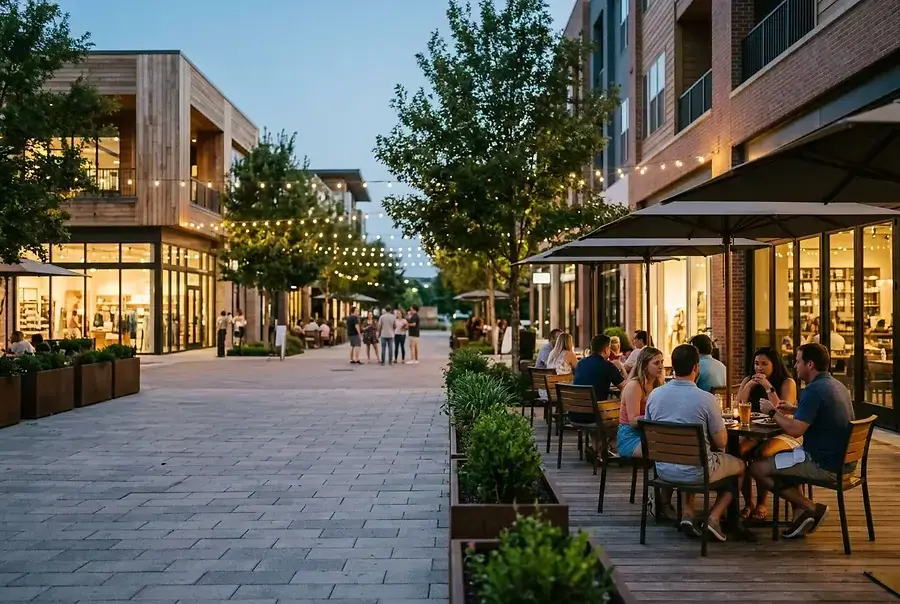
Incorporating outdoor spaces, green areas, and lifestyle amenities transforms traditional shopping centers into destination environments. Patios, gardens, and outdoor seating areas encourage customers to spend more time in the space.
Financing and Investment Considerations for Retail Repositioning Projects
Repositioning projects require significant capital investment, but numerous financing options exist for property owners committed to transformation.
Funding Sources
- Traditional Bank Financing: Commercial loans remain a primary funding source for established property owners
- Private Equity: Real estate investment firms increasingly target retail repositioning opportunities
- Tax Increment Financing (TIF): Many DFW municipalities offer TIF programs to support retail revitalization
- Opportunity Zone Investments: Federal programs provide tax incentives for qualified investments
Financial Planning Essentials
Successful repositioning requires careful financial planning. Conduct thorough market analysis, develop realistic timelines, and maintain contingency reserves. Work with experienced commercial real estate advisors to evaluate ROI and identify the most promising repositioning strategies for your specific property.
Consider the long-term value creation potential. While repositioning requires upfront investment, the resulting increase in property value and tenant quality typically justifies the expenditure.
Case Studies: Successful Retail Transformations and Market Impact
The Uptown Transformation
A struggling Dallas shopping center was successfully repositioned into a mixed-use destination featuring high-end retail, restaurants, and office space. The transformation increased property value by 40% and achieved 95% occupancy within two years. The project attracted premium tenants and became a destination for both shopping and dining.
Fort Worth's Entertainment District
A vacant retail property in Fort Worth was reimagined as an entertainment and lifestyle destination. By incorporating a cinema, restaurants, fitness facilities, and retail shops, the property transformed into a thriving community hub. Foot traffic increased by 300%, and the property now serves as an anchor for surrounding development.
The Lifestyle Center Model
Several DFW properties successfully transitioned from traditional enclosed malls to open-air lifestyle centers. These properties now feature outdoor dining, experiential retail, and community gathering spaces. The shift resulted in improved tenant retention, higher sales per square foot, and stronger community engagement.
Key Success Factors
These successful transformations share common elements:
- Strategic Vision: Clear understanding of target market and desired tenant mix
- Community Engagement: Involvement of local stakeholders and community input
- Quality Execution: Professional management and attention to detail during renovation
- Adaptive Tenanting: Flexibility in leasing strategies to attract innovative retailers and service providers
- Ongoing Management: Commitment to continuous improvement and tenant support
Moving Forward: Your Repositioning Strategy
The Dallas-Fort Worth retail market presents significant opportunities for property owners willing to embrace change. By understanding market challenges, implementing experience-driven strategies, securing appropriate financing, and learning from successful transformations, you can revitalize underperforming properties and create thriving retail destinations.
The key to success lies in recognizing that modern retail is about more than transactions—it's about creating spaces where communities gather, experiences happen, and memories are made. Properties that embrace this philosophy will thrive in the evolving retail landscape.