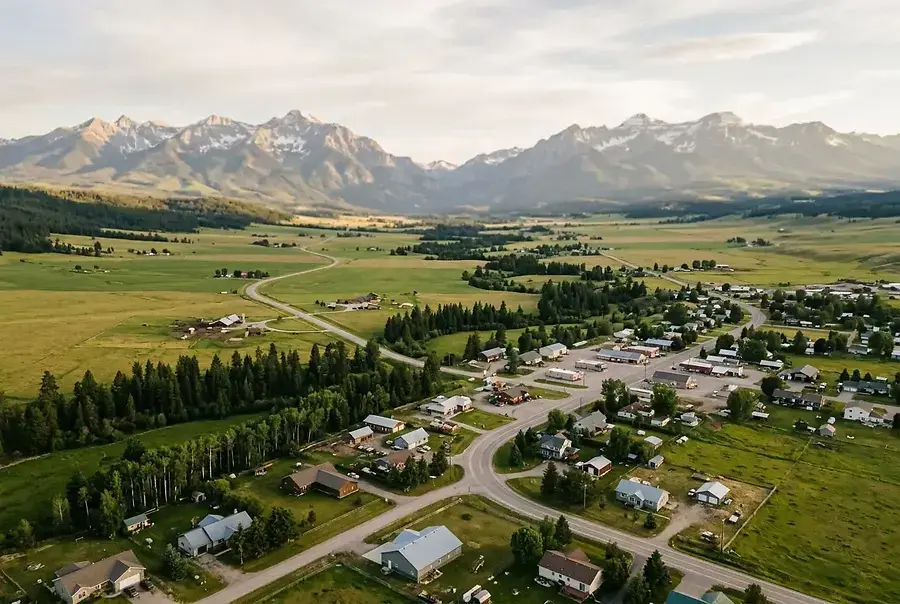
Understanding Price Variations Across Montana's Valley Communities
Montana's valley towns present a fascinating mosaic of real estate opportunities, each with distinct pricing structures and market characteristics. The Missoula Valley region, in particular, showcases remarkable variations in property values that reflect geography, amenities, and community development patterns.
Properties in established valley centers command premium prices due to proximity to services, schools, and employment opportunities. Conversely, properties in smaller satellite communities offer more affordable entry points while maintaining access to valley resources. Understanding these variations is crucial for real estate professionals seeking to serve diverse client needs effectively.
Geographic Factors Influencing Property Values
Location within the valley significantly impacts property pricing. Towns positioned along major transportation corridors typically experience higher demand and elevated prices. Elevation, water access, and views of surrounding mountains also contribute substantially to property valuations, with scenic vistas commanding premium pricing across the region.
- Proximity to employment centers - Properties closer to Missoula's job market command higher prices
- School district quality - Highly-rated schools increase residential property demand
- Infrastructure development - Communities with modern utilities and services attract premium valuations
- Natural amenities - Mountain views, river access, and outdoor recreation opportunities boost values
Market Dynamics: What Drives Residential and Commercial Property Values in Rural Montana
The rural Montana real estate market operates under unique dynamics that differ significantly from urban centers. Understanding these forces enables real estate professionals to provide informed guidance to clients and identify emerging opportunities.
Residential Market Trends
Remote work has fundamentally transformed Montana's residential market. Professionals relocating from urban areas seek quality of life improvements while maintaining income levels, creating sustained demand for residential properties across valley communities. This trend has particularly benefited smaller towns that offer affordable housing with mountain lifestyle appeal.
Key residential market drivers include:
- Increased remote work adoption expanding buyer pools beyond local populations
- Lifestyle migration from coastal and urban regions seeking affordability and outdoor access
- Limited housing inventory maintaining upward price pressure
- Generational wealth transfer as younger buyers inherit family properties
- Seasonal tourism creating vacation rental investment opportunities
Commercial Property Opportunities
Commercial real estate in rural Montana valley towns presents unique investment potential. Small business growth, agricultural operations, and tourism-related enterprises drive commercial property demand. Properties suitable for mixed-use development, retail, and service industries remain particularly valuable as communities expand.
Agricultural land values reflect commodity prices, water rights availability, and development potential. Properties with irrigation rights or proximity to growing communities command premium valuations. Commercial investors increasingly recognize Montana's valley towns as emerging markets with strong fundamentals and growth potential.
Market Sentiment and Future Outlook
Current market conditions favor both buyers and sellers in different segments. While residential properties in prime locations remain competitive, opportunities exist in emerging communities and commercial sectors. Interest rate environments, regional economic growth, and infrastructure investments continue shaping market trajectories across valley towns.
Matching Clients with the Right Community Based on Market Conditions and Lifestyle
Successful real estate professionals understand that property selection extends beyond price and square footage. Matching clients with appropriate communities requires comprehensive knowledge of each town's character, amenities, and market positioning.
Defining Client Needs and Preferences
Begin by understanding client priorities through detailed consultations. Are they seeking investment returns, lifestyle improvements, or family-friendly communities? Do they prioritize outdoor recreation, cultural amenities, or business opportunities? These factors determine which valley communities best suit their needs.
Essential client assessment questions:
- What is their primary motivation for relocating to Montana?
- How important are schools, healthcare, and cultural institutions?
- Do they require proximity to specific employment or business opportunities?
- What outdoor activities and recreational interests drive their lifestyle choices?
- Are they investors seeking rental income or owner-occupants seeking primary residences?
Community Matching Strategies
Different valley communities serve distinct client profiles. Established towns offer robust services and amenities but command higher prices. Emerging communities provide affordability and growth potential for investors. Rural properties deliver privacy and land ownership but require self-sufficiency and longer commutes.
Successful matching requires presenting realistic community profiles that address both advantages and limitations. Clients appreciate transparency about school quality, employment opportunities, healthcare access, and seasonal weather patterns. Property tours combined with community exploration help clients envision their Montana lifestyle authentically.
Investment Potential Assessment
For investor clients, analyze rental demand, appreciation trends, and cash flow potential across different communities. Vacation rental properties in scenic locations generate strong returns, while residential rentals in employment centers provide stable income. Commercial properties in growing towns offer long-term appreciation potential as communities develop.
Positioning Your Expertise in Montana's Diverse Real Estate Landscape
Real estate professionals who develop deep knowledge of Montana's valley communities establish themselves as trusted advisors rather than transactional agents. This positioning attracts quality clients and generates referral business through demonstrated expertise.
Building Comprehensive Market Knowledge
Invest time in understanding each valley community's history, development patterns, and future trajectory. Attend local government meetings, participate in community events, and build relationships with local business leaders. This immersion creates authentic expertise that clients recognize and value.
Knowledge development priorities:
- Historical property price trends and current market conditions
- Local zoning regulations and development opportunities
- Community leadership and future development plans
- School performance metrics and educational opportunities
- Employment centers and economic drivers
- Seasonal patterns and lifestyle considerations
Specialization and Niche Development
Consider developing specialized expertise in specific property types or client segments. Some agents excel with investment clients, others with lifestyle relocators. Some focus on agricultural properties, others on vacation rentals. Specialization allows deeper expertise development and more effective marketing to target audiences.
Client Education and Thought Leadership
Share your expertise through market reports, community guides, and educational content. Host webinars about Montana real estate trends, create detailed community profiles, and publish market analysis. This thought leadership positions you as the go-to expert for clients considering Montana valley communities.
Real estate success in rural Montana depends on understanding that each valley community offers distinct opportunities. By developing comprehensive market knowledge and matching clients thoughtfully with appropriate communities, you create lasting relationships and sustainable business growth.
Conclusion
Montana's valley communities represent diverse real estate opportunities with varying price points, market dynamics, and lifestyle appeal. Real estate professionals who understand these variations, develop specialized knowledge, and match clients thoughtfully position themselves for success in this unique market. Whether serving investors seeking returns or families seeking lifestyle improvements, your expertise in Montana's diverse landscape becomes your competitive advantage.