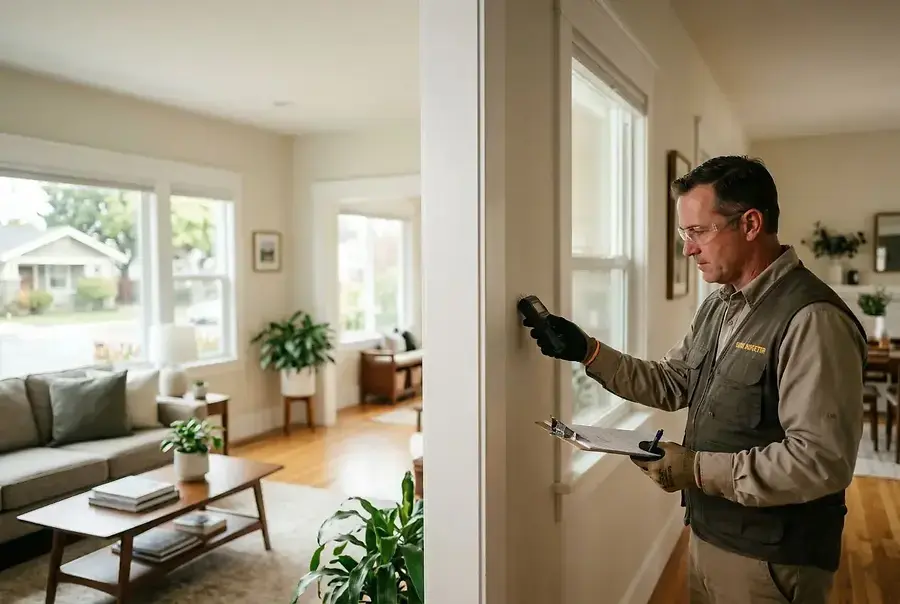
Why Home Inspections Matter in Salinas
Purchasing a home is one of the most significant financial decisions you'll make in your lifetime. In Salinas, where the real estate market is competitive and properties vary widely in age and condition, a professional home inspection is not just recommended—it's essential. A thorough inspection can reveal hidden problems that could cost thousands of dollars to repair after closing, giving you the knowledge needed to negotiate better terms or walk away from a problematic property.
Home inspections serve as your protection against unforeseen expenses and safety hazards. They provide an objective assessment of a property's condition, allowing you to make informed decisions based on facts rather than assumptions. Whether you're buying a historic Victorian home or a modern ranch-style property, understanding what inspectors look for can save you money and headaches down the road.
Key Areas Inspectors Examine in Salinas Homes
Structural Integrity and Foundation
The foundation is the backbone of any home. Inspectors carefully examine the foundation for cracks, settling, and water damage—issues that are particularly important in Salinas given the region's soil composition and climate. They look for signs of foundation movement, which could indicate serious structural problems requiring expensive repairs.
What to watch for:
- Horizontal or diagonal cracks in the foundation
- Gaps between walls and the foundation
- Evidence of water intrusion or dampness
- Uneven floors or doors that don't close properly
Roofing and Exterior
Your roof protects everything beneath it, making its condition critical. Inspectors assess the roof's age, material condition, and remaining lifespan. They also examine gutters, downspouts, siding, windows, and doors for damage, deterioration, and proper installation.
Common issues found:
- Missing or damaged shingles
- Improper drainage around the foundation
- Rotting wood or siding damage
- Deteriorated caulking around windows and doors
Plumbing Systems
Plumbing problems can be costly and disruptive. Inspectors test water pressure, check for leaks, examine pipe materials, and assess the water heater's condition. They also verify that the home has proper drainage and that the septic system (if applicable) is functioning correctly.
Key inspection points:
- Water pressure and flow rates
- Signs of leaks or water damage
- Age and condition of the water heater
- Proper venting and drainage
- Presence of outdated or problematic pipe materials
Electrical Systems
Electrical safety is paramount. Inspectors examine the electrical panel, wiring, outlets, and switches to ensure the system is safe and up to code. They look for outdated components, improper installations, and potential fire hazards. This is especially important in older Salinas homes that may have outdated electrical systems.
Safety concerns to identify:
- Outdated or insufficient electrical panels
- Improper grounding or bonding
- Overloaded circuits
- Exposed wiring or improper installations
HVAC Systems
Heating, ventilation, and air conditioning systems are essential for comfort and indoor air quality. Inspectors evaluate the furnace, air conditioner, ductwork, and thermostat to determine their age, condition, and efficiency. They also check for proper ventilation and carbon monoxide safety.
Interior Conditions
Inspectors examine walls, ceilings, floors, and insulation for damage, moisture problems, and proper installation. They look for signs of pest damage, mold, and water intrusion. The attic and crawl spaces receive special attention as they often reveal problems not visible in finished areas.
Understanding Your Inspection Report and Red Flags
Reading Your Report
A professional inspection report is typically organized by system and area. Each section describes what was inspected, the condition found, and any recommendations. Reports usually categorize findings as:
- Safety Issues: Problems that pose immediate danger
- Major Repairs: Significant problems requiring professional attention
- Minor Issues: Small problems or maintenance recommendations
- Deferred Maintenance: Items that will need attention in the future
Red Flags to Take Seriously
While minor issues are normal in any home, certain findings warrant serious consideration. Major red flags include:
- Foundation cracks or settling issues
- Roof damage or nearing end of lifespan
- Electrical hazards or code violations
- Plumbing leaks or water damage
- Evidence of mold or pest infestation
- HVAC systems requiring imminent replacement
- Structural damage or deterioration
When red flags appear, don't panic. Instead, use this information to negotiate repairs or credits with the seller, or request additional specialized inspections from experts in specific areas.
Next Steps After Your Inspection
After receiving your inspection report, review it carefully and discuss findings with your real estate agent. For significant issues, consider obtaining quotes from contractors to understand repair costs. This information becomes valuable negotiating leverage before closing.
Making Informed Decisions with Inspection Results
A home inspection is an investment in your peace of mind and financial security. The inspection report gives you the information needed to make confident decisions about your Salinas property purchase. Whether you negotiate repairs, request credits, or decide the property isn't right for you, you're making that choice based on facts rather than assumptions.
Remember that no home is perfect, and inspection reports often reveal items that need attention. The goal isn't to find a flawless property—it's to understand what you're buying and plan accordingly. By understanding what inspectors examine and how to interpret their findings, you're taking control of one of life's biggest investments.
Work with a qualified home inspector and your real estate professional to ensure you have all the information needed to make the best decision for your Salinas home purchase.
