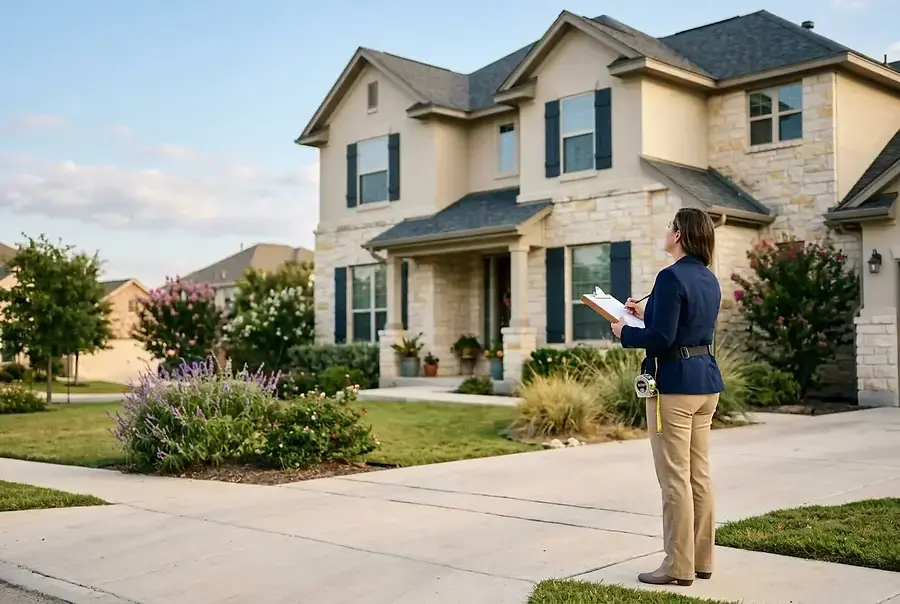
Understanding the Home Appraisal Process in San Antonio
When you're preparing to sell your home in San Antonio, one of the most critical steps in the process is the home appraisal. An appraisal determines your property's fair market value, which directly impacts your selling price, loan approval, and overall real estate transaction. Unlike a home inspection, which identifies structural and mechanical issues, an appraisal focuses on establishing the monetary worth of your property based on comparable sales and property characteristics.
Understanding what appraisers look for can help you prepare your home strategically and potentially increase its assessed value. Whether you're a first-time seller or a seasoned investor, knowing the appraisal process gives you a competitive advantage in the San Antonio real estate market.
Key Factors Appraisers Evaluate: From Square Footage to Market Conditions
Property Size and Square Footage
One of the most fundamental factors appraisers consider is your home's total square footage. This includes all livable space, from bedrooms and bathrooms to kitchens and living areas. Appraisers measure the property carefully and compare it to similar homes in your neighborhood. A larger home typically commands a higher value, but the quality of that space matters equally.
Location and Neighborhood Characteristics
San Antonio's diverse neighborhoods each have distinct values and appeal. Appraisers evaluate your property's location by considering:
- Proximity to schools, shopping, and employment centers
- Neighborhood safety and crime rates
- Quality of local schools and school districts
- Community amenities and parks
- Overall neighborhood trends and desirability
Properties in highly desirable neighborhoods with excellent schools and convenient access to amenities typically receive higher appraisals.
Age and Condition of the Home
The age of your home significantly impacts its value. Newer homes generally appraise higher than older ones, but well-maintained older homes can still command strong values. Appraisers assess the condition of:
- Roof and exterior materials
- Foundation and structural integrity
- HVAC systems and plumbing
- Electrical systems and updates
- Interior finishes and appliances
Recent renovations and upgrades can substantially boost your appraisal value, especially if they're in high-impact areas like kitchens and bathrooms.
Comparable Sales (Comps)
Appraisers rely heavily on comparable sales, or "comps," which are recent sales of similar properties in your area. They analyze homes with similar square footage, age, condition, and location to establish a fair market value. In a strong seller's market, comparable sales may support higher valuations, while in a buyer's market, appraisals may be more conservative.
Market Conditions and Economic Factors
The broader real estate market significantly influences appraisals. Factors such as interest rates, inventory levels, buyer demand, and economic conditions all play a role. San Antonio's growing population and strong job market have historically supported healthy property values, but appraisers always consider current market dynamics.
Special Features and Upgrades
Unique features can increase your home's appraised value. These might include:
- Swimming pools and outdoor living spaces
- Energy-efficient upgrades and solar panels
- Smart home technology
- Updated kitchens and bathrooms
- Hardwood floors and premium finishes
- Garage space and storage
How to Prepare Your Home for Appraisal and Boost Its Assessed Value
Enhance Curb Appeal
First impressions matter. Before the appraiser arrives, invest in your home's exterior. Fresh landscaping, a clean driveway, new paint on the front door, and well-maintained lawn can positively influence the appraiser's perception. Curb appeal sets the tone for the entire appraisal.
Clean and Declutter
A clean, well-organized home appears more valuable. Deep clean your entire property, including often-overlooked areas like baseboards, light fixtures, and windows. Remove personal clutter and excess furniture to make spaces appear larger and more appealing.
Document Recent Improvements
Gather documentation for any recent renovations, repairs, or upgrades. Receipts, permits, and before-and-after photos help appraisers understand the value you've added. This is particularly important for major projects like roof replacements, HVAC upgrades, or kitchen remodels.
Address Obvious Issues
Fix minor problems before the appraisal. Repair leaky faucets, replace broken light fixtures, patch drywall, and address any visible damage. These small fixes prevent appraisers from deducting value for maintenance issues.
Highlight Unique Features
During the appraisal, be prepared to point out special features and recent improvements. If you've upgraded to energy-efficient windows, installed a new HVAC system, or added smart home features, make sure the appraiser is aware of these value-adding elements.
Ensure Accurate Property Records
Verify that your property records are accurate. Errors in square footage, number of bedrooms, or lot size can negatively impact your appraisal. Contact your local assessor's office to confirm all details are correct.
Using Appraisal Knowledge to Your Advantage in the Real Estate Market
Understanding the appraisal process empowers you to make strategic decisions about your property. By recognizing which factors appraisers prioritize, you can focus your preparation efforts on improvements that will have the greatest impact on your home's assessed value.
Remember: an appraisal is not just a number—it's a professional assessment of your property's worth in the current market. Taking time to prepare your home and understand the appraisal process can result in a higher valuation and a stronger position when selling.
Whether you're selling soon or planning ahead, investing in your home's condition and curb appeal is always worthwhile. In the competitive San Antonio real estate market, a well-prepared home with strong appraisal fundamentals will attract serious buyers and command the price you deserve.