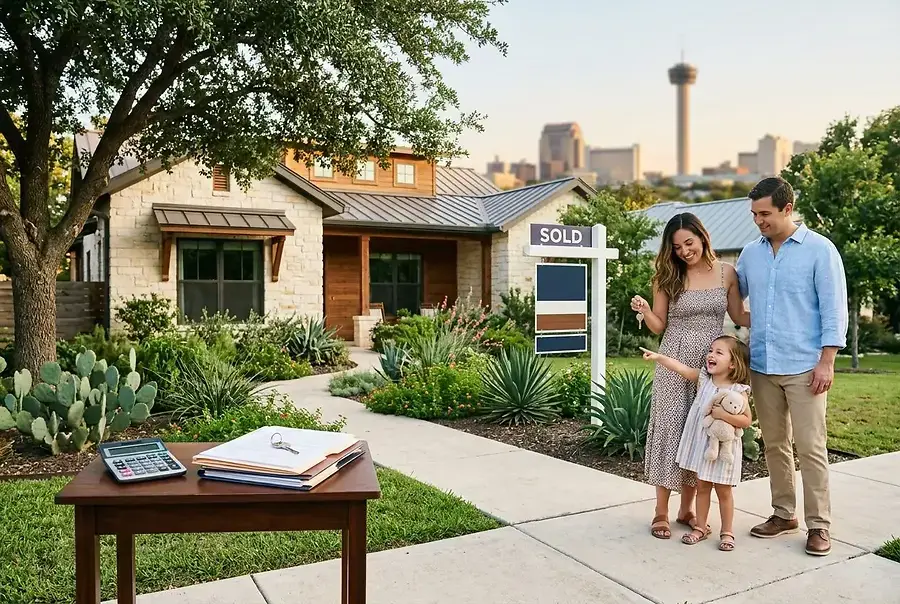
Why Property Taxes Matter More Than You Think
When you're planning to buy a home in San Antonio, most of your focus likely centers on the mortgage payment. However, property taxes and additional homeownership costs can significantly impact your monthly budget and long-term financial planning. Many first-time homebuyers are surprised to discover that their total monthly housing expenses extend far beyond their mortgage principal and interest payments.
Understanding these costs before you purchase is crucial. Property taxes in Texas are among the highest in the nation, and San Antonio is no exception. Being informed about what you'll owe helps you make realistic financial decisions and avoid budget surprises down the road. This guide will walk you through the essential expenses every San Antonio homeowner should anticipate.
Breaking Down San Antonio Property Tax Rates and Assessment
How Property Taxes Are Calculated
San Antonio property taxes are determined by multiplying your home's assessed value by the combined tax rate of all applicable taxing units. The tax rate includes contributions from the city, county, school district, and any special districts that serve your property. Understanding this breakdown helps you see where your tax dollars go.
The Bexar County Appraisal District is responsible for assessing property values in San Antonio. They evaluate your home's market value, which serves as the basis for your tax calculation. The combined tax rate in San Antonio typically ranges from 1.6% to 1.8% of your home's assessed value, though this can vary depending on your specific location and which taxing entities serve your area.
The Assessment Process and Your Rights
Property assessments happen annually, and homeowners have the right to protest their assessed value if they believe it's inaccurate. If you disagree with your assessment, you can file a formal protest with the appraisal district. Many homeowners successfully reduce their tax burden by challenging assessments that don't reflect current market conditions.
Keep in mind that homeowners in Texas can benefit from homestead exemptions, which reduce the assessed value of your primary residence. This exemption can lower your property taxes significantly, so make sure you apply for it when you purchase your home.
Estimating Your Annual Tax Bill
To estimate your property taxes, multiply your home's purchase price by the combined tax rate. For example, a $300,000 home with a 1.7% tax rate would result in approximately $5,100 in annual property taxes, or about $425 per month. This calculation helps you understand the true cost of homeownership in San Antonio.
Additional Homeownership Costs: Insurance, HOA, and Maintenance
Homeowners Insurance
Homeowners insurance is mandatory if you have a mortgage, and it protects your investment against damage from fire, theft, and other covered events. In San Antonio, homeowners insurance typically costs between $1,000 and $1,500 annually, depending on your home's age, size, and location. This translates to roughly $85 to $125 per month.
Several factors influence your insurance premium:
- The age and construction quality of your home
- Your credit score and claims history
- The deductible you choose
- Your home's proximity to fire stations and water sources
- Local crime rates in your neighborhood
Shopping around with multiple insurance providers can help you find competitive rates and ensure you're getting adequate coverage.
HOA Fees and Community Assessments
If you purchase a home in a community with a homeowners association, you'll pay monthly or annual HOA fees. These fees typically range from $100 to $300 per month in San Antonio, though some upscale communities charge significantly more. HOA fees cover common area maintenance, landscaping, security, and community amenities.
Before purchasing a home in an HOA community, review the association's financial statements and reserve fund status. A well-managed HOA with adequate reserves is a sign of a healthy community. Additionally, check for any special assessments planned, as these can add substantial costs beyond regular monthly fees.
Maintenance and Repairs
As a homeowner, you're responsible for all maintenance and repairs. Financial experts recommend budgeting 1% to 2% of your home's purchase price annually for maintenance and repairs. For a $300,000 home, this means setting aside $3,000 to $6,000 per year, or $250 to $500 monthly.
Common maintenance expenses include:
- HVAC system servicing and repairs
- Roof inspections and repairs
- Plumbing and electrical maintenance
- Pest control and termite inspections
- Lawn care and landscaping
- Appliance repairs and replacements
San Antonio's hot climate means your air conditioning system works hard, so regular maintenance is essential to avoid costly emergency repairs.
Utilities and Other Monthly Expenses
Don't forget to budget for utilities, including electricity, water, gas, and internet. San Antonio's hot summers mean higher air conditioning costs, typically ranging from $150 to $250 monthly during peak season. Water and sewer costs average $50 to $100 monthly, while internet and phone services add another $50 to $150 to your monthly expenses.
Making an Informed Financial Decision
Understanding the complete picture of homeownership costs in San Antonio empowers you to make a smart financial decision. Your total monthly housing expenses should ideally not exceed 28% to 30% of your gross monthly income. This includes your mortgage payment, property taxes, insurance, HOA fees, and utilities.
Create a comprehensive budget that accounts for all these expenses before you start house hunting. Work with a financial advisor or mortgage professional to ensure you're comfortable with the total cost of homeownership. Remember that property values and tax rates can change over time, so build a financial cushion into your budget.
Homeownership is a rewarding investment, but it requires careful financial planning. By understanding all the costs involved, you'll be better prepared to enjoy your San Antonio home without financial stress.
Take time to research neighborhoods, compare insurance quotes, and review HOA documents. The effort you invest upfront will pay dividends in peace of mind and financial stability throughout your homeownership journey in San Antonio.