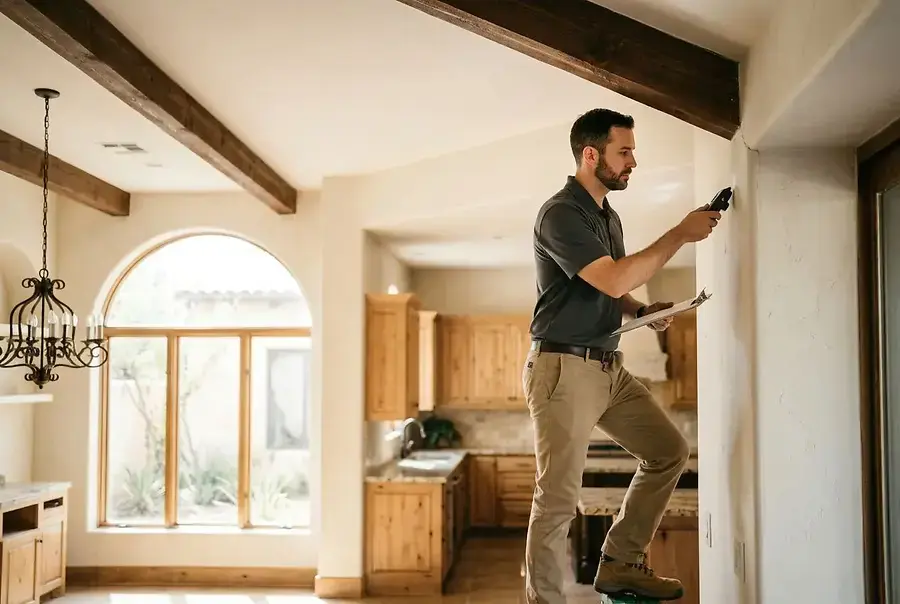
Why Home Inspections Matter in San Antonio's Real Estate Market
Purchasing a home is one of the most significant financial decisions you'll make in your lifetime. In San Antonio's competitive real estate market, a professional home inspection serves as your first line of defense against hidden defects and costly repairs. Whether you're a first-time buyer or an experienced investor, understanding what inspectors examine can save you thousands of dollars and prevent future headaches.
A comprehensive home inspection provides an objective assessment of a property's condition before you commit to the purchase. This critical step allows you to make informed decisions, negotiate repairs or credits with sellers, and plan for future maintenance expenses. In San Antonio's unique climate and architectural landscape, certain issues are more prevalent than others, making inspections even more essential.
Key Areas Inspectors Examine: Structural, Systems, and Environmental Concerns
Structural Components
Professional inspectors begin by evaluating the foundation, walls, and overall structural integrity of the home. San Antonio's clay-heavy soil can cause foundation settling and cracking over time, making this assessment particularly important. Inspectors look for:
- Foundation cracks and signs of settling
- Roof condition and remaining lifespan
- Wall integrity and water damage
- Attic ventilation and insulation
- Exterior siding and trim deterioration
Mechanical and Electrical Systems
Your home's systems keep it functioning safely and comfortably. Inspectors thoroughly evaluate:
- HVAC Systems: Air conditioning units, heating systems, and ductwork efficiency
- Plumbing: Water pressure, drainage, pipe materials, and potential leaks
- Electrical: Panel condition, outlet safety, and code compliance
- Water Heater: Age, capacity, and operational status
- Appliances: Functionality and remaining useful life
Environmental and Safety Concerns
San Antonio inspectors also assess potential environmental hazards that could affect your health and safety:
- Mold and moisture issues
- Radon gas presence
- Asbestos in older homes
- Lead paint in pre-1978 properties
- Pest infestations and termite damage
- Pool and spa safety features
Common Issues Found in San Antonio Homes and How to Address Them
Foundation and Soil-Related Problems
San Antonio's expansive clay soil is notorious for causing foundation issues. Differential settling can lead to cracks in walls, sloping floors, and door misalignment. If your inspection reveals minor cracks, they may be cosmetic, but significant structural cracks require professional evaluation and potential repair. Request a structural engineer's assessment for peace of mind.
Air Conditioning System Concerns
Given San Antonio's hot climate, air conditioning systems work overtime. Inspectors frequently find aging AC units nearing the end of their lifespan. Budget for replacement costs if the system is over 10-15 years old. Regular maintenance can extend system life, but replacement may be necessary soon after purchase.
Plumbing and Water Pressure Issues
Hard water is common in San Antonio, leading to mineral buildup in pipes and reduced water pressure. Inspectors check for:
- Corroded or deteriorating pipes
- Low water pressure indicators
- Leaking fixtures and water damage
- Outdated galvanized piping requiring replacement
If detected, budget for water softener installation or pipe replacement to prevent future problems.
Roof and Weather-Related Damage
San Antonio's intense sun and occasional severe weather can damage roofing materials. Inspectors assess shingle condition, flashing integrity, and signs of leaks. A roof nearing the end of its life is a significant expense to plan for, typically costing several thousand dollars to replace.
Mold and Moisture Intrusion
While San Antonio isn't as humid as coastal areas, moisture problems can still develop in bathrooms, basements, and around windows. Early detection prevents expensive remediation later. Ensure proper grading around the foundation and adequate ventilation in moisture-prone areas.
Using Inspection Results to Negotiate and Make Informed Decisions
Requesting Repairs or Credits
Once you receive the inspection report, you have several options. You can request that the seller repair identified issues before closing, ask for a credit toward repairs you'll handle yourself, or renegotiate the purchase price. Prioritize major structural and system issues over cosmetic concerns when negotiating.
Planning Your Budget
Use the inspection report to create a realistic maintenance and repair budget for your first year of ownership. Prioritize urgent safety issues and systems that affect daily living, such as HVAC and plumbing, over cosmetic updates.
Making Your Final Decision
A thorough inspection report empowers you to make an informed decision about whether to proceed with the purchase, renegotiate terms, or walk away.
Remember: the inspection fee is a small investment compared to the potential cost of discovering major problems after you've already closed on the property.
By understanding what inspectors look for and how to interpret their findings, you'll approach your San Antonio home purchase with confidence and clarity. A professional home inspection isn't just a formality—it's your essential tool for protecting your investment and ensuring you're making the smartest decision possible.
