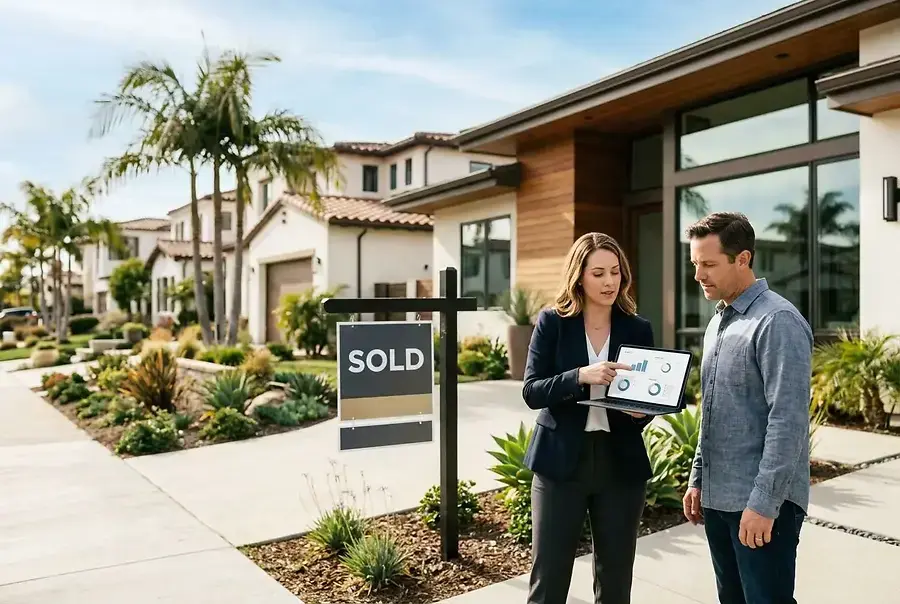
Introduction: Why Pricing Strategy Matters in San Diego's Market
Setting the right price for your San Diego home is one of the most critical decisions you'll make as a seller. In a dynamic real estate market like San Diego's, pricing isn't just about covering your mortgage—it's about understanding buyer psychology, market conditions, and the unique value your property brings to the table. A well-researched pricing strategy can mean the difference between selling in weeks versus months, and between receiving multiple offers or struggling to attract interest.
San Diego's real estate market is characterized by diverse neighborhoods, varying property types, and shifting buyer preferences. Whether you're selling a beachfront condo in Pacific Beach, a family home in Carmel Mountain, or a historic property in Hillcrest, the principles of strategic pricing remain the same: data-driven decisions lead to better outcomes.
Understanding Comparable Sales and Market Analysis in Your Neighborhood
The Power of Comparable Sales (Comps)
The foundation of any solid pricing strategy is understanding what similar homes in your neighborhood have sold for recently. Comparable sales, or "comps," are homes similar to yours that have sold within the last 90 days. These properties should share key characteristics with your home:
- Similar square footage (within 10-15%)
- Same number of bedrooms and bathrooms
- Comparable lot size and location
- Similar age and condition
- Proximity to your property
By analyzing these sales, you can identify a realistic price range for your home. Don't rely on just one or two comps—gather at least 5-10 recent sales to establish a reliable baseline. This data becomes your anchor point for all pricing decisions.
Analyzing Your Neighborhood's Market Conditions
San Diego neighborhoods vary dramatically in their market dynamics. A buyer's market in one area might coincide with a seller's market in another. Consider these factors:
- Days on Market (DOM): How long do similar homes typically stay listed? Longer DOM suggests you may need a more competitive price.
- List-to-Sale Price Ratio: Are homes selling at, above, or below asking price? This reveals buyer demand.
- Inventory Levels: High inventory often means more price competition; low inventory gives you more pricing power.
- Buyer Demographics: Are first-time homebuyers, investors, or luxury buyers dominating your area?
Understanding these market conditions helps you position your price strategically. In a competitive market, pricing slightly below market value can generate multiple offers and bidding wars. In a slower market, realistic pricing from day one prevents stale listings.
Adjusting for Your Home's Unique Features
While comps provide your baseline, your specific home may warrant adjustments. Upgrades and unique features can justify premium pricing:
- Recent renovations (kitchen, bathrooms, roof)
- Energy-efficient systems and smart home technology
- Outdoor living spaces (pools, decks, mature landscaping)
- Views (ocean, city skyline, canyon views)
- Location advantages (walkability, proximity to schools or transit)
Conversely, deferred maintenance, outdated systems, or less desirable features may require price reductions. Be honest about your home's condition—buyers will discover issues during inspection anyway, and transparency builds trust.
Timing Your Sale and Adjusting Price for Maximum Buyer Interest
Seasonal Pricing Considerations
San Diego's year-round pleasant weather means homes sell throughout the year, but seasonal trends still exist. Spring and early summer typically bring more buyer activity, allowing for stronger pricing. Fall and winter see fewer buyers, which may require more competitive pricing to generate interest. However, less competition during slower seasons can be advantageous if your home is well-positioned.
The Strategic Price Adjustment Strategy
Your initial listing price sets the tone for your sale. Pricing too high from the start is one of the biggest mistakes sellers make. Here's why:
Homes that sit on the market for extended periods develop a stigma. Buyers wonder what's wrong, and even price reductions later won't generate the same enthusiasm as a well-priced listing from day one.
Consider this approach:
- Price Competitively at Launch: Start at or slightly below market value to attract maximum interest and showings.
- Generate Momentum: Multiple showings and offers create urgency and can drive prices up through bidding.
- Monitor Market Response: Track showings, feedback, and offers during the first two weeks.
- Adjust if Necessary: If interest is weak, reduce price quickly rather than waiting months for the market to come to you.
Psychological Pricing Tactics
Pricing psychology plays a significant role in buyer perception. A home priced at $749,000 feels notably different from one at $750,000, even though the difference is minimal. Strategic price points can make your home more attractive:
- Price just below psychological thresholds ($749K instead of $750K)
- Avoid round numbers that suggest inflated pricing
- Use price reductions strategically to signal urgency without appearing desperate
Leveraging Market Data Tools
Modern sellers have access to unprecedented market data. Utilize tools like MLS databases, Zillow, Redfin, and local real estate reports to track market trends. Many real estate agents provide detailed market analysis reports that break down neighborhood-specific data. Use this information to validate your pricing strategy and adjust as market conditions evolve.
Conclusion: Taking Action to Sell Your San Diego Home Successfully
Pricing your San Diego home for maximum returns requires a combination of data analysis, market understanding, and strategic decision-making. The most successful sellers approach pricing as a science, not a guess.
Start by gathering comprehensive comparable sales data for your neighborhood. Analyze current market conditions and understand how your home's unique features affect its value. Then, price strategically to generate immediate buyer interest and momentum.
Remember that pricing isn't static—be prepared to adjust based on market response. A well-priced home that sells quickly for top dollar beats an overpriced home that lingers on the market. When in doubt, consult with a knowledgeable San Diego real estate agent who understands your specific neighborhood and can provide data-driven pricing recommendations.
Your home is likely your most valuable asset. By applying these proven pricing strategies, you'll position yourself to achieve maximum returns and close the sale successfully.