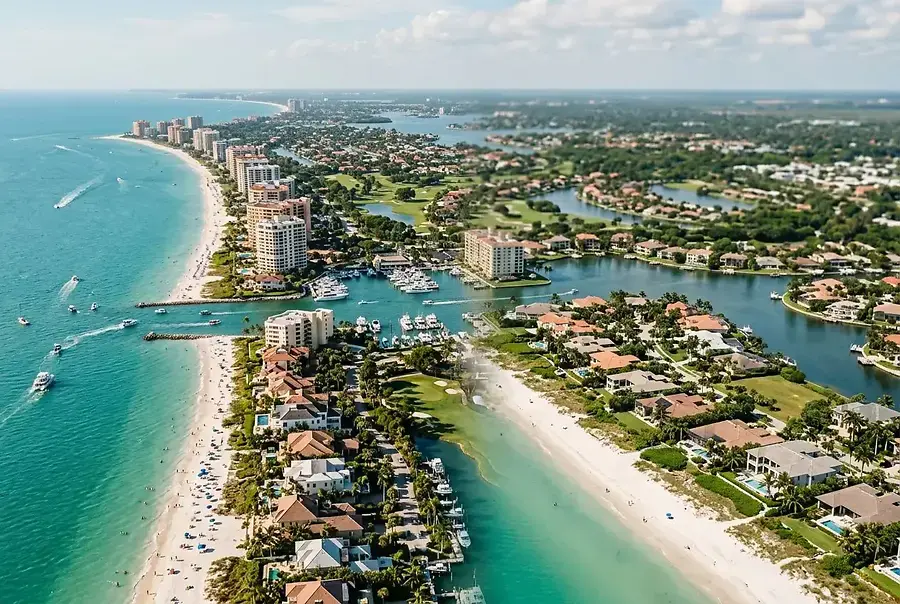
Understanding Southwest Florida's Year-Round Market Cycles
Southwest Florida's real estate market operates on a rhythm as predictable as the tides that lap its pristine beaches. Unlike many regions where market activity remains relatively consistent throughout the year, this corner of paradise experiences dramatic seasonal fluctuations that savvy investors can exploit for significant gains.
The market is primarily driven by two powerful forces: seasonal migration patterns and weather cycles. Snowbirds from the North flock to the region during winter months, while summer brings a quieter period when many properties sit on the market with less competition. Understanding these cycles is the first step toward making smarter real estate decisions.
The Winter Rush (November to March)
Winter represents the peak season across Naples, Marco Island, Bonita Springs, and St. Petersburg. During these months, demand skyrockets as affluent buyers escape harsh northern winters. Inventory moves quickly, prices climb, and bidding wars become commonplace. Properties that might linger on the market in summer sell within days during peak season.
The Summer Slowdown (June to September)
Summer brings heat, humidity, and significantly reduced buyer activity. Many seasonal residents return north, and new buyers hesitate to make major purchases during the hottest months. This creates a buyer's market with more negotiating power and lower prices.
Peak vs. Off-Season: When Buyers Get the Best Deals
Winter Peak Season Advantages
While winter offers the largest selection and most active market, it's not always the best time for bargain hunters. However, strategic buyers can still find opportunities:
- Motivated sellers: Some property owners need to sell quickly before returning north
- New listings: The volume of available properties means more options to choose from
- Competitive financing: Lenders actively compete for business during peak season
Summer Off-Season Advantages
Summer is when savvy investors make their best deals. The advantages are substantial:
- Price reductions: Sellers often drop prices by 10-15% to attract buyers during slow months
- Less competition: Fewer buyers means less bidding and more negotiating power
- Motivated sellers: Properties that didn't sell in winter often see desperate owners willing to negotiate
- Better inspection opportunities: You can thoroughly evaluate properties without time pressure
The best deals in Southwest Florida real estate aren't found during the crowded winter months—they're discovered by patient investors who understand the summer market dynamics.
How Seasonal Migration Affects Property Values Across Four Key Markets
Naples: The Luxury Market Leader
Naples experiences the most dramatic seasonal swings of any Southwest Florida market. Winter prices can be 20-30% higher than summer prices for comparable properties. The market caters to high-net-worth individuals seeking luxury waterfront and golf course properties. During winter, competition is fierce and prices reflect the scarcity of premium inventory.
Marco Island: The Exclusive Enclave
Marco Island follows similar patterns to Naples but with even more pronounced seasonal variations. This exclusive island community sees explosive winter demand from wealthy buyers seeking beachfront estates. Summer brings dramatic price reductions as sellers compete for the handful of active buyers. The island's limited inventory amplifies these seasonal swings.
Bonita Springs: The Middle Ground
Bonita Springs offers a more moderate seasonal pattern than Naples or Marco Island. While still experiencing winter peaks and summer valleys, the price variations are less extreme. This market attracts a mix of primary residents, seasonal buyers, and investors, creating more stable year-round activity. Summer discounts typically range from 5-10% rather than the 20-30% seen in luxury markets.
St. Petersburg: The Urban Alternative
St. Petersburg's market is influenced by seasonal migration but less dramatically than beach-focused communities. The urban market attracts younger professionals and investors alongside seasonal buyers. While winter still sees increased activity, summer slowdowns are less pronounced. This makes St. Petersburg an interesting option for those seeking more consistent market conditions.
Making Your Move: Strategic Timing for Maximum Return
For Buyers: The Optimal Purchase Window
Summer months (June through August) offer the best buying opportunities. Sellers are motivated, prices are negotiable, and you face less competition. Take advantage of reduced prices and use the time to thoroughly inspect properties. Your negotiating power is at its peak.
If you must buy during winter, focus on properties that have been on the market for extended periods. These "stale listings" often have motivated sellers willing to negotiate despite peak season conditions.
For Sellers: Timing Your Exit
If you own property in Southwest Florida, timing your sale strategically can mean thousands in additional profit. List your property in early fall (September-October) to capture the beginning of the winter rush. This positions your home for maximum exposure when serious buyers arrive.
Avoid listing during peak winter months when you'll face the most competition from other sellers. Similarly, summer listings should be priced aggressively to attract the limited pool of active buyers.
For Investors: The Long-Term Play
Real estate investors should focus on markets with strong fundamentals beyond seasonal cycles. While seasonal timing matters, properties in growing communities with diverse economies offer better long-term appreciation. Consider:
- Population growth trends in each market
- Job creation and economic diversification
- Infrastructure development and improvements
- School quality and community amenities
Buy during summer slowdowns when prices are lowest, then hold through winter peaks to maximize appreciation. This strategy works particularly well in Naples and Marco Island, where seasonal price swings are most dramatic.
Market-Specific Strategies
Naples: Buy in summer, sell in winter. The luxury market's dramatic swings offer the greatest profit potential for investors with capital.
Marco Island: Similar to Naples, but with even more extreme seasonal variations. Patient investors can capture 25-30% appreciation by buying low and selling high.
Bonita Springs: More moderate seasonal swings make this market suitable for buy-and-hold investors seeking steady appreciation rather than seasonal trading.
St. Petersburg: Less seasonal volatility makes this market better for primary residence purchases and long-term investment rather than seasonal trading strategies.
The Bottom Line
Southwest Florida's real estate markets offer tremendous opportunities for those who understand seasonal dynamics. Whether you're buying your dream home or building an investment portfolio, timing matters. Summer buyers enjoy lower prices and less competition, while winter sellers benefit from peak demand. By aligning your real estate decisions with these natural market cycles, you can maximize returns and achieve your property goals more efficiently.
The key is patience and knowledge. Understand your local market, recognize seasonal patterns, and make strategic moves when conditions favor your objectives. In Southwest Florida real estate, timing isn't everything—but it's certainly something.