The Seasonal Rhythm of Grand Strand Real Estate
The Grand Strand real estate market operates like a living, breathing ecosystem that shifts with the changing seasons. Whether you're a prospective buyer, current homeowner, or seasoned investor, understanding these seasonal patterns is crucial to making informed decisions about your property. The coastal communities of Myrtle Beach, Conway, North Myrtle Beach, and surrounding areas experience distinct market cycles that directly impact property availability, pricing, and buyer competition.
Real estate professionals in the Grand Strand have long recognized that timing is everything. The same property listed in one season might attract vastly different levels of interest and command different prices in another. By understanding these patterns, you can position yourself to make smarter financial decisions and achieve better outcomes in your real estate transactions.
How Summer, Fall, Winter, and Spring Affect Property Demand and Pricing
Summer: Peak Season and Higher Prices
Summer represents the busiest season for Grand Strand real estate. Families with school-age children often prioritize moving during summer break, and vacation homebuyers flood the market looking for beachfront or near-beach properties. This surge in demand typically drives prices upward, with sellers enjoying multiple offers and favorable negotiating positions.
Properties in prime locations command premium prices during these months. Inventory moves quickly, and homes that might linger on the market in other seasons sell within days. However, this competitive environment means buyers face limited selection and must act decisively to secure their desired properties.
Fall: Transition and Opportunity
As summer fades, the market begins its transition. Fall brings a moderate level of activity as some families still relocate before the school year progresses. Prices remain relatively stable but begin showing slight softening compared to peak summer rates. This season offers a sweet spot for buyers seeking better selection without the intense competition of summer months.
Sellers who list in fall often attract serious, motivated buyers rather than casual browsers. The market becomes more balanced, creating opportunities for negotiation that summer buyers rarely encounter.
Winter: Lower Demand and Buyer Advantages
Winter traditionally sees the slowest market activity in the Grand Strand. Holiday commitments, cold weather, and reduced vacation traffic mean fewer buyers are actively searching for properties. This shift dramatically favors buyers, who suddenly enjoy increased leverage in negotiations and significantly larger inventory selections.
Sellers who remain on the market during winter are often highly motivated, and prices typically reflect this reduced demand. For strategic buyers, winter represents an excellent opportunity to find properties at lower prices and negotiate favorable terms.
Spring: Renewal and Rising Activity
Spring marks the beginning of market recovery. As temperatures warm and days lengthen, buyer activity increases noticeably. Families begin planning summer moves, and investors recognize the approaching peak season. Prices start climbing as demand increases, though the market hasn't yet reached summer intensity.
Spring offers a middle ground—more activity than winter but less competition than summer. Properties listed in spring often benefit from improved curb appeal as landscaping comes alive, making homes more visually appealing to potential buyers.
Regional Variations: Which Neighborhoods Show Different Seasonal Patterns
Beachfront and Near-Beach Communities
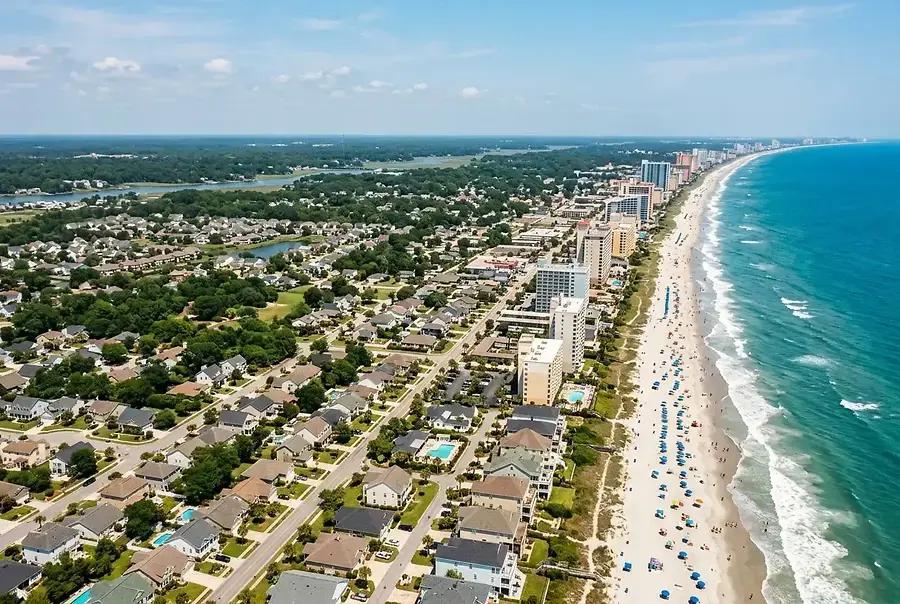
Oceanfront and near-oceanfront properties in Myrtle Beach and North Myrtle Beach experience the most dramatic seasonal swings. Summer demand peaks as vacation homebuyers seek coastal retreats, driving prices to their annual highs. Winter sees the steepest price declines as vacation demand evaporates.
Conway and Inland Communities
Conway and inland neighborhoods show more moderate seasonal variations. While summer still brings increased activity, the swings are less dramatic than beachfront areas. These communities attract more primary residence buyers who are less influenced by vacation seasons, creating more consistent year-round demand.
Golf Course and Resort Communities
Communities built around golf courses and resort amenities experience unique seasonal patterns. Winter actually sees increased activity as northern retirees seek warm-weather escapes. These communities often maintain stronger winter markets compared to traditional residential areas.
Strategic Timing: When to Buy or Sell in Your Grand Strand Community
Best Times to Sell
Summer (June-August): Maximum buyer activity and highest prices. Ideal for sellers seeking top dollar and quick sales.
Spring (March-May): Good alternative with rising activity and improving property presentation. Less competition than summer.
Best Times to Buy
Winter (December-February): Largest selection, lowest prices, and maximum negotiating power. Ideal for patient buyers seeking the best deals.
Fall (September-November): Balanced market with reasonable prices and decent selection. Good compromise between winter and summer conditions.
Considerations for Your Specific Situation
- Investment Properties: Consider winter purchases for maximum cash flow potential and spring/summer rental income.
- Primary Residences: Align timing with life events rather than market cycles when possible.
- Vacation Homes: Purchase in winter for better pricing, but ensure properties are ready for summer use.
- Relocating Families: Balance school calendars with market conditions for optimal timing.
Conclusion: Positioning Yourself for Success Year-Round
The Grand Strand real estate market's seasonal patterns create both challenges and opportunities. By understanding how summer peaks, fall transitions, winter slumps, and spring recoveries affect your local market, you can make strategic decisions that align with your goals and financial situation.
Whether you're buying, selling, or simply monitoring the market, remember that seasonal trends are just one factor in real estate success. Local market conditions, property condition, pricing strategy, and professional guidance all play crucial roles. Work with experienced local real estate professionals who understand these seasonal nuances and can help you navigate the Grand Strand market with confidence, regardless of the season.
The key to year-round success is understanding your market, knowing your goals, and timing your moves strategically. With this knowledge, you're well-positioned to achieve excellent results in the dynamic Grand Strand real estate market.