Understanding Chicago's Residential Market Cycles
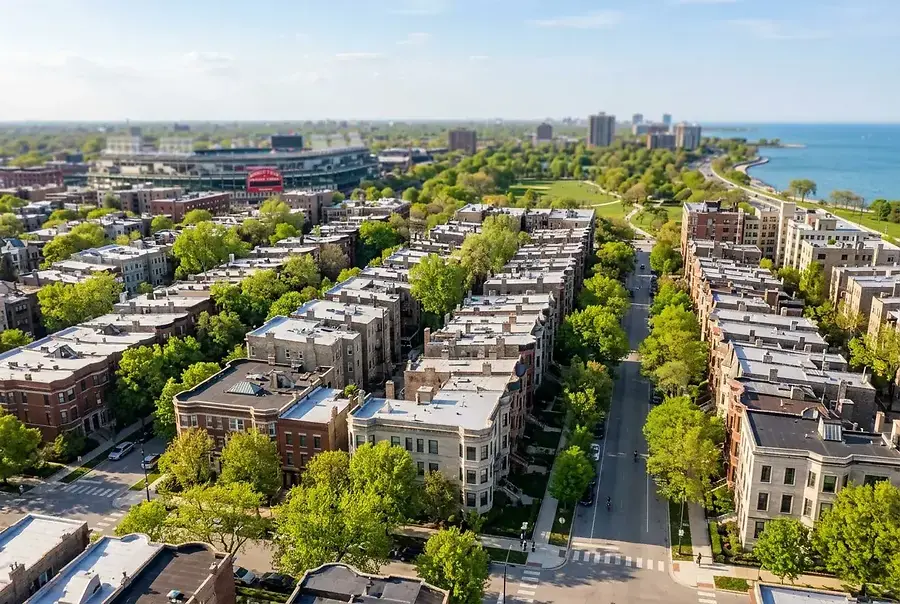
Chicago's real estate market operates in distinct seasonal patterns that significantly influence home values, buyer activity, and selling strategies. The North Side neighborhoods—including the prestigious Gold Coast, vibrant Lincoln Park, baseball-centric Wrigleyville, and the affluent North Shore—experience predictable fluctuations throughout the year. Understanding these cycles is essential for both buyers and sellers looking to make informed decisions.
The residential market typically follows a pattern where spring and early summer bring heightened activity, while fall and winter see reduced buyer interest. However, each North Side neighborhood has its own nuances that affect these broader trends. Factors such as school calendars, weather conditions, and local events create unique opportunities and challenges for real estate professionals and homeowners.
Seasonal Pricing Patterns Across North Side Neighborhoods
Spring and Early Summer: Peak Market Activity
Spring marks the beginning of the busiest season in Chicago's real estate market. Families prefer to move during warmer months to avoid disrupting school years, and the pleasant weather makes properties more appealing. During this period, you'll notice:
- Increased inventory: Sellers list more homes as they prepare for moves and renovations
- Higher prices: Competitive bidding drives up home values across all North Side neighborhoods
- More buyer activity: Multiple offers become common, especially in desirable areas like Gold Coast and Lincoln Park
- Faster sales: Properties spend less time on the market before finding buyers
In neighborhoods like Lincoln Park and the North Shore, spring prices can increase by 5-10% compared to winter months. The Gold Coast, known for its luxury properties, sees particularly strong demand from high-net-worth buyers relocating to the city.
Summer: Sustained Demand with Slight Moderation
Summer continues the strong market momentum, though activity begins to moderate slightly as some buyers take vacations. Wrigleyville experiences unique summer dynamics due to Cubs games and neighborhood events that attract both residents and visitors. Pricing remains elevated, but the urgency of spring begins to ease.
Fall: Transition and Opportunity
As temperatures drop, buyer activity decreases noticeably. However, fall presents strategic opportunities:
- Serious buyers remain in the market, reducing competition
- Sellers often become more motivated and flexible with pricing
- Properties show well in autumn light and landscaping
- Homes can sell 10-15% below spring prices in some cases
The North Shore neighborhoods often maintain stronger fall activity due to their family-oriented appeal and excellent schools, making this season less dramatic than in other areas.
Winter: The Buyer's Advantage
Winter is traditionally the slowest season, with minimal inventory and reduced buyer interest. Yet this creates significant advantages for those willing to navigate the cold:
- Negotiating power: Fewer competing offers mean better deal potential
- Lower prices: Homes can sell 15-20% below peak spring values
- Less competition: Serious buyers face minimal competition from casual shoppers
- Motivated sellers: Those listing in winter typically have compelling reasons and may accept lower offers
Gold Coast properties, while still commanding premium prices, show more flexibility during winter months. Lincoln Park and Wrigleyville see particularly dramatic price reductions as buyer interest wanes.
Strategic Timing: When to Buy or Sell in Your Target Area
Best Times to Sell
Spring and early summer remain the optimal selling season for most North Side properties. The combination of maximum buyer interest, higher prices, and faster sales makes this period ideal. If you're selling a luxury property in Gold Coast or a family home in Lincoln Park, spring offers the best return on investment.
However, if you're selling a unique property or have flexibility, early fall can be advantageous. You'll face less competition while still capturing motivated buyers before winter arrives.
Best Times to Buy
Buyers seeking the best value should focus on late fall and winter months. The North Shore and Wrigleyville offer particularly attractive opportunities during these periods. You'll have more negotiating leverage and access to motivated sellers willing to reduce prices.
If you're a first-time buyer or have specific neighborhood preferences, early fall provides a middle ground—better prices than spring without the extreme cold and limited inventory of winter.
Neighborhood-Specific Considerations
Gold Coast: Luxury buyers often operate on different timelines. While spring remains strong, high-end properties can sell year-round to international and corporate buyers relocating to Chicago.
Lincoln Park: Family-oriented buyers dominate this market. Spring and early summer are peak seasons, but fall offers excellent opportunities for those not constrained by school calendars.
Wrigleyville: Baseball season and neighborhood events create unique dynamics. Summer activity extends longer here than in other neighborhoods, while winter sees the most dramatic slowdown.
North Shore: School-focused families drive this market. Spring remains peak season, but fall activity remains relatively strong compared to other neighborhoods.
Positioning Your Home for Maximum Appeal Year-Round
Spring and Summer Strategies
During peak seasons, focus on curb appeal and highlighting outdoor spaces. Fresh landscaping, clean exteriors, and well-maintained yards are essential. Stage homes to emphasize natural light and open floor plans. Price competitively—homes priced 5-10% above market value may not sell quickly despite high demand.
Fall and Winter Strategies
Create warmth and coziness during colder months. Emphasize fireplaces, updated heating systems, and energy efficiency. Professional staging becomes even more critical—good lighting and warm décor help buyers envision themselves in the home. Consider price reductions of 10-15% to remain competitive.
Year-Round Best Practices
- Maintain excellent property condition regardless of season
- Keep homes clean and decluttered for showings
- Address deferred maintenance before listing
- Use professional photography and virtual tours
- Work with experienced agents familiar with neighborhood-specific trends
- Price realistically based on current market conditions
Understanding seasonal market trends empowers you to make strategic decisions aligned with your goals. Whether you're buying or selling in Chicago's North Side neighborhoods, timing and preparation are key to success.