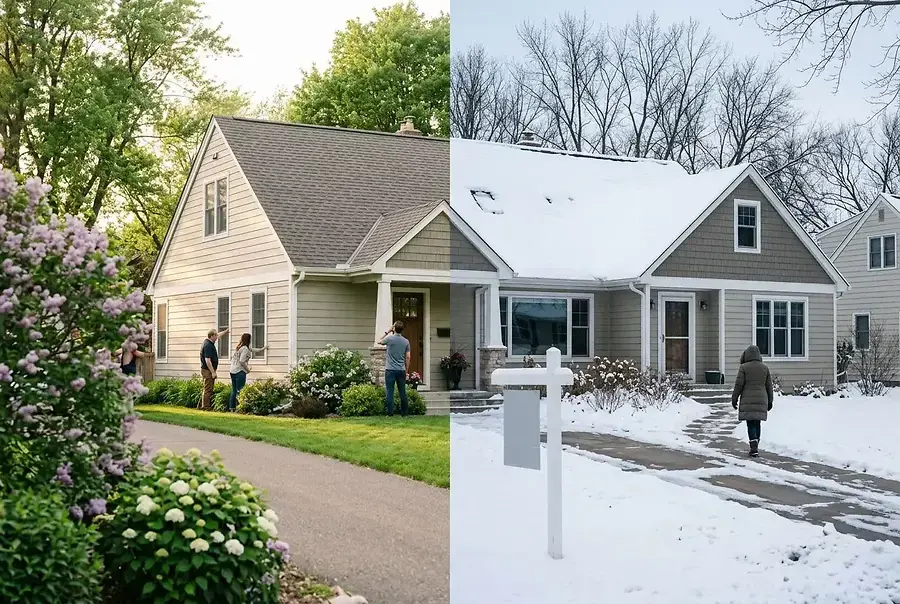
Understanding Minnesota's Real Estate Seasonality
Minnesota's real estate market operates in distinct seasonal cycles that significantly impact home values, buyer interest, and selling success. The state's dramatic weather changes create natural patterns in how people buy and sell homes. Understanding these cycles can help you make strategic decisions about timing your real estate transaction to maximize profit or find the best deals.
The Minnesota housing market is heavily influenced by climate, lifestyle factors, and family schedules. Spring and summer typically see increased activity, while fall and winter experience slower movement. However, savvy buyers and sellers can leverage these patterns to their advantage by understanding what drives market behavior in different seasons.
How Spring and Summer Markets Differ from Fall and Winter
Spring and Summer: The Peak Season
Spring and summer represent the most active periods in Minnesota's real estate market. During these months, you'll notice:
- Higher buyer activity: Families want to move before school starts, and pleasant weather makes home shopping enjoyable
- More listings: Sellers capitalize on better curb appeal and longer daylight hours to showcase their properties
- Competitive pricing: With more homes on the market, prices tend to be higher due to increased demand
- Faster sales: Properties typically sell quicker, sometimes within days of listing
In Rochester, Lanesboro, and Minneapolis, spring brings renewed energy to neighborhoods. Homes with updated landscaping and fresh paint show exceptionally well. The longer days allow potential buyers to view properties after work, increasing foot traffic and showings.
Fall and Winter: The Slower Season
Fall and winter bring a noticeable slowdown in Minnesota's real estate market:
- Fewer buyers: Cold weather and holiday schedules reduce the number of active home shoppers
- Lower prices: With less competition, sellers often reduce prices to attract buyers
- Less inventory: Fewer homes are listed, giving sellers less competition
- Motivated buyers: Those shopping in winter are often serious and ready to move quickly
Winter conditions in Minnesota can actually work in your favor. Serious buyers who brave the cold weather are typically highly motivated, whether due to job relocations or family circumstances. This means less negotiation and faster closings.
Strategic Timing: When to Buy or Sell in Your Area
Selling Your Home
Best time to sell: Late spring through early summer offers the highest prices and fastest sales. List your home in May or June to capture maximum buyer interest before families finalize their summer plans.
Secondary opportunity: Early fall can be excellent for selling, as summer buyers who didn't find homes are still active, and inventory is lower than spring. This reduced competition can work in your favor.
Avoid if possible: December through February typically sees the slowest market. However, if you must sell during winter, emphasize your home's cozy features and highlight energy efficiency to appeal to winter buyers.
Buying Your Home
Best deals: Fall and winter offer the most negotiating power. Fewer buyers means sellers are more flexible on price. You'll find less competition when making offers in November through February.
Inventory advantage: While there are fewer homes listed in winter, those that are listed often represent motivated sellers willing to negotiate. In Rochester and Lanesboro, winter listings may include properties from relocating professionals or those facing life changes.
Spring strategy: If buying in spring, move quickly. Homes sell faster, but you'll have more selection. Get pre-approved for financing and be ready to make competitive offers.
Minneapolis Neighborhoods Specific Insights
Minneapolis's urban neighborhoods show slightly different patterns than surrounding areas. Popular neighborhoods like Northeast Minneapolis and South Minneapolis see year-round activity due to urban appeal. However, even here, spring and summer see 20-30% more listings and faster sales cycles.
Preparing Your Home for Each Season's Market Conditions
Spring and Summer Preparation
Maximize your home's appeal during peak season:
- Invest in landscaping and lawn care—curb appeal is crucial when competition is high
- Paint exterior trim and refresh the front entrance
- Stage homes to highlight outdoor living spaces
- Ensure all systems are functioning perfectly before listing
- Price competitively—buyers have many options to choose from
Fall and Winter Preparation
Create warmth and appeal during slower seasons:
- Emphasize energy efficiency and heating systems
- Create cozy interior spaces with warm lighting and furnishings
- Clear snow and ice promptly to maintain curb appeal
- Highlight winter-ready features like fireplaces and insulation
- Consider price reductions to stand out in a smaller market
Year-Round Maintenance
Regardless of season, maintain your home's foundation, roof, and mechanical systems. Buyers in any season will inspect these critical elements. Regular maintenance prevents costly repairs that could derail a sale or reduce your offer price.
In Minnesota communities like Lanesboro, where historic homes are common, seasonal maintenance is especially important. Older homes require attention to weatherproofing and heating efficiency to appeal to modern buyers.
Making Your Decision
The best time to buy or sell your Minnesota home depends on your personal circumstances, financial goals, and market position. If you're selling, spring and summer offer higher prices and faster sales. If you're buying, fall and winter provide better deals and less competition. Understanding these seasonal patterns empowers you to make strategic decisions that align with your real estate goals.
Consider consulting with a local real estate professional in your area—whether Rochester, Lanesboro, or Minneapolis—who understands neighborhood-specific trends and can provide personalized timing advice for your situation.