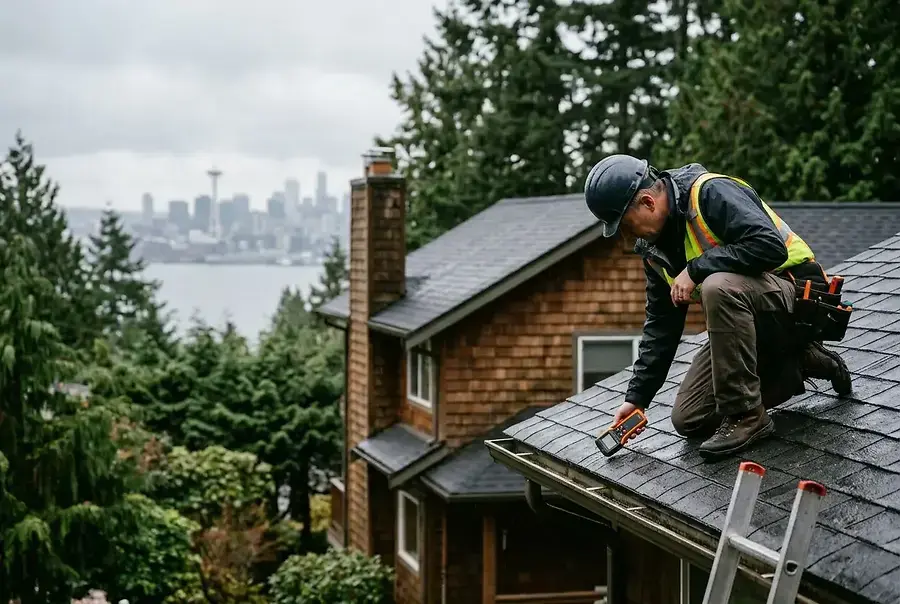
Introduction: Why Home Inspections Matter in Seattle's Competitive Market
In Seattle's fast-paced real estate market, home inspections are more than just a formality—they're your financial safeguard. With competitive bidding wars and multiple offers on desirable properties, buyers often feel pressured to waive inspections or skip thorough evaluations. However, this approach can lead to devastating financial consequences. A professional home inspection reveals hidden defects, structural issues, and maintenance problems that could cost thousands of dollars to repair after closing.
Seattle's unique climate and geography create specific challenges that standard inspections in other regions might miss. The Pacific Northwest's wet winters, moderate summers, and occasional seismic activity all impact how homes age and what problems develop over time. Understanding these regional factors helps you make informed decisions and negotiate repairs or price adjustments before you sign the final papers.
Key Inspection Areas Specific to Seattle Homes and Climate
Roof and Water Damage
Seattle's rainy climate makes roof condition absolutely critical. Inspectors should examine:
- Shingle condition and age—most roofs last 15-25 years
- Flashing around chimneys, vents, and skylights
- Gutters and downspout functionality
- Signs of water staining in attics and upper ceilings
- Moss or algae growth indicating moisture retention
Why it matters: A failing roof can allow water infiltration that damages insulation, framing, and creates mold—expensive problems that develop silently over time.
Foundation and Basement Issues
Many Seattle homes sit on clay soil that expands when wet and contracts when dry. This movement can crack foundations and cause structural stress. Your inspector should check for:
- Visible cracks in concrete or basement walls
- Water seepage or dampness in basements
- Efflorescence (white mineral deposits indicating water movement)
- Proper grading away from the foundation
- Sump pump functionality if present
Why it matters: Foundation problems are expensive to fix and can affect the home's structural integrity and resale value.
Plumbing and Water Systems
Seattle's older homes often have outdated plumbing systems. Inspectors should evaluate:
- Pipe material—galvanized steel, copper, or PVC
- Water pressure and flow rates
- Septic system condition (for homes outside city limits)
- Water heater age and functionality
- Evidence of leaks or corrosion
Why it matters: Corroded pipes can fail suddenly, and replacing plumbing throughout a home is one of the most expensive renovations.
HVAC and Insulation
While Seattle doesn't experience extreme temperatures, proper heating and insulation are essential for comfort and energy efficiency. Check:
- Furnace or heat pump age and maintenance records
- Attic insulation levels and ventilation
- Ductwork condition and sealing
- Air conditioning capability (increasingly important)
Why it matters: Poor insulation and aging HVAC systems lead to high utility bills and uncomfortable living conditions.
Electrical Systems
Older Seattle homes may have outdated electrical systems that can't handle modern power demands. Inspectors should verify:
- Panel capacity and condition
- Presence of aluminum wiring (a fire hazard)
- Proper grounding and bonding
- GFCI outlets in wet areas
- Updated electrical code compliance
Why it matters: Electrical issues pose safety risks and may require expensive upgrades to meet current codes.
Red Flags and What They Mean for Your Purchase Decision
Mold and Moisture Issues
What to look for: Visible mold, musty odors, or discoloration on walls and ceilings.
What it means: Mold indicates ongoing moisture problems. Remediation can be expensive, and mold poses health risks, especially for children and those with respiratory conditions. This is a serious red flag that requires professional mold testing and remediation estimates.
Structural Cracks or Settling
What to look for: Large cracks in foundations, walls, or ceilings; doors and windows that don't close properly; sloping floors.
What it means: These indicate potential foundation movement or structural issues. While minor settling is normal, significant problems require structural engineer evaluation and can be costly to repair.
Outdated or Unsafe Systems
What to look for: Knob-and-tube wiring, asbestos insulation, lead paint, or non-functional safety systems.
What it means: These pose health and safety risks and may require professional removal or replacement. Budget accordingly and verify contractor qualifications.
Evidence of Pest Infestation
What to look for: Termite damage, carpenter ant evidence, rodent droppings, or pest-related structural damage.
What it means: Pest damage can be extensive and expensive. Professional pest control and structural repairs may be necessary. Some damage may be irreversible.
Deferred Maintenance
What to look for: Peeling paint, rotting wood, broken windows, or neglected landscaping.
What it means: While cosmetic issues are less critical, they often indicate the owner hasn't maintained the home properly. This suggests hidden problems may exist in less visible areas.
Conclusion: Making Informed Decisions with Professional Guidance
A comprehensive home inspection is your best investment when buying a Seattle home. Never waive the inspection contingency, even in competitive markets. The cost of a professional inspection—typically $300-500—is minimal compared to the potential savings from identifying problems before closing.
Remember: You're not just buying a house; you're making one of the largest financial investments of your life. Take the time to understand exactly what you're purchasing.
Work with a qualified home inspector who understands Seattle's specific climate challenges and building practices. Ask questions, request detailed reports, and don't hesitate to hire specialists for concerns that arise. If significant issues are discovered, use this information to negotiate repairs, request price reductions, or make an informed decision about whether to proceed with the purchase.
By prioritizing thorough inspections and understanding what to look for, you protect your investment and avoid costly surprises after closing. In Seattle's competitive market, knowledge and due diligence are your greatest advantages.