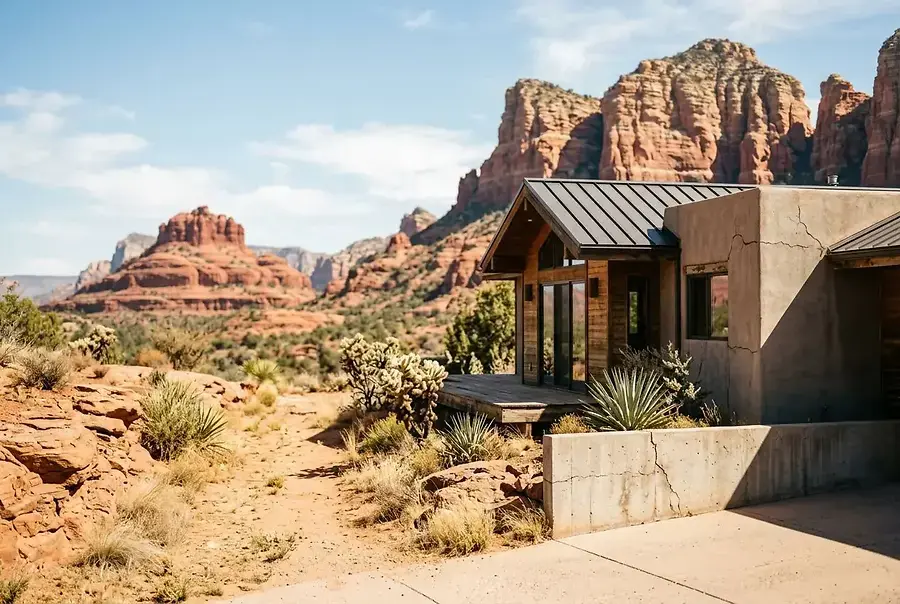
Understanding Sedona's Desert Environment and Home Longevity
Sedona's stunning red rock landscape and year-round sunshine attract homeowners seeking the perfect desert retreat. However, this picturesque environment comes with unique challenges that can significantly impact your home's structural integrity and longevity. The desert climate in Sedona is characterized by extreme temperature swings, exceptionally low humidity levels, and relentless UV radiation—conditions that test building materials in ways that homeowners in milder climates rarely experience.
Understanding how these environmental factors affect your home is crucial for making informed decisions about maintenance, repairs, and long-term property investment. Whether you're a new homeowner or have lived in Sedona for years, recognizing the specific demands of desert living can help you protect your most valuable asset.
How Temperature Fluctuations and UV Exposure Damage Common Building Materials
The Impact of Extreme Temperature Swings
Sedona experiences dramatic temperature variations between day and night, often swinging 40 degrees or more within a 24-hour period. During summer months, daytime temperatures can exceed 110°F, while nights cool significantly. This constant expansion and contraction puts tremendous stress on building materials.
Roofing materials are particularly vulnerable to these temperature fluctuations. Asphalt shingles expand when heated and contract when cooled, causing the fasteners to loosen over time. This movement can lead to:
- Premature cracking and curling of shingles
- Separation of roofing layers
- Accelerated deterioration of sealants and caulking
- Increased risk of leaks and water damage
Concrete and foundation materials also suffer from thermal stress. The ground beneath your home experiences similar temperature swings, causing concrete to crack and shift. These micro-fractures can develop into larger structural problems if left unaddressed, potentially affecting your home's foundation stability.
UV Radiation and Material Degradation
Sedona receives approximately 300 days of sunshine annually, exposing exterior materials to intense ultraviolet radiation. This constant UV exposure breaks down the chemical bonds in many building materials, causing:
- Fading and discoloration of paint and stain
- Brittleness and cracking of wood and composite materials
- Degradation of rubber seals and gaskets
- Weakening of plastic fixtures and outdoor furniture
Paint and exterior coatings typically last only 3-5 years in Sedona's intense sun, compared to 7-10 years in more temperate climates. Wood siding and trim require more frequent staining or sealing to maintain protection against UV damage and moisture infiltration.
Low Humidity and Moisture-Related Issues
While Sedona's low humidity (often below 30%) might seem beneficial, it actually creates unique challenges. The extreme dryness causes wood to shrink and warp, leading to:
- Gaps between wooden trim and siding
- Cracked drywall and plaster
- Warped doors and window frames
- Compromised weatherproofing seals
Additionally, the rapid evaporation of moisture can cause salt deposits to accumulate on exterior surfaces, a phenomenon known as efflorescence. This white, crusty buildup can damage masonry and concrete over time.
Maintenance Strategies for Desert Homes: Protecting Your Investment Year-Round
Roof Maintenance and Protection
Your roof is your home's first line of defense against Sedona's harsh climate. Implement these essential maintenance practices:
- Inspect your roof twice yearly (spring and fall) for loose shingles, cracks, and deterioration
- Clean gutters and downspouts regularly to prevent water backup and damage
- Trim tree branches that overhang your roof to reduce debris accumulation
- Consider reflective roofing materials that reduce heat absorption and extend material lifespan
- Seal all roof penetrations (vents, chimneys, skylights) to prevent leaks
For homes with older roofs, consider upgrading to materials specifically designed for desert climates, such as metal roofing or high-quality architectural shingles with enhanced UV protection.
Foundation and Exterior Wall Care
Protecting your foundation requires proactive monitoring and maintenance:
- Monitor foundation cracks regularly; small cracks may be normal, but expanding cracks require professional evaluation
- Maintain consistent soil moisture around your foundation by installing proper drainage systems
- Seal concrete surfaces every 2-3 years to protect against UV damage and salt infiltration
- Inspect exterior walls for gaps, cracks, and separation from trim
- Caulk and seal gaps where wood meets masonry or concrete to prevent moisture infiltration
Paint and Exterior Coating Management
Given Sedona's intense sun exposure, exterior paint requires more frequent attention:
- Plan for repainting every 3-4 years rather than the typical 5-7 year cycle
- Use high-quality, UV-resistant paints specifically formulated for desert climates
- Choose lighter colors that reflect heat and reduce thermal stress on materials
- Inspect caulking annually and replace deteriorated sealant promptly
Wood and Composite Material Protection
Wood siding, trim, and decking require special attention in Sedona's dry climate:
- Stain or seal wood surfaces every 2-3 years to maintain moisture protection
- Monitor for warping and gaps that develop due to moisture loss
- Consider composite materials for new construction or replacement projects, as they resist UV damage better than natural wood
- Ensure proper ventilation behind siding to allow moisture to escape
Landscaping and Shade Management
Strategic landscaping can significantly reduce thermal stress on your home:
- Plant shade trees on the south and west sides of your home to reduce solar heat gain
- Install shade structures (pergolas, awnings) over windows and outdoor living areas
- Use desert-appropriate plants that require minimal water and maintenance
- Maintain proper grading to direct water away from your foundation
Making Informed Decisions About Home Durability in Sedona
Living in Sedona means embracing a unique lifestyle while accepting the responsibility of protecting your home from an unforgiving climate. The key to maintaining your home's durability is understanding the specific challenges your property faces and implementing a proactive maintenance schedule.
By addressing issues early, using climate-appropriate materials, and staying vigilant with regular inspections, you can significantly extend the lifespan of your home's critical systems and components. Remember that investing in preventative maintenance today will save you from costly repairs and structural problems tomorrow.
Whether you're planning to stay in Sedona long-term or view your home as an investment property, prioritizing durability in the face of desert climate challenges is essential. Consult with local contractors and specialists who understand Sedona's unique environmental demands, and don't hesitate to upgrade materials and systems when they reach the end of their lifespan. Your home's longevity—and your peace of mind—depends on it.