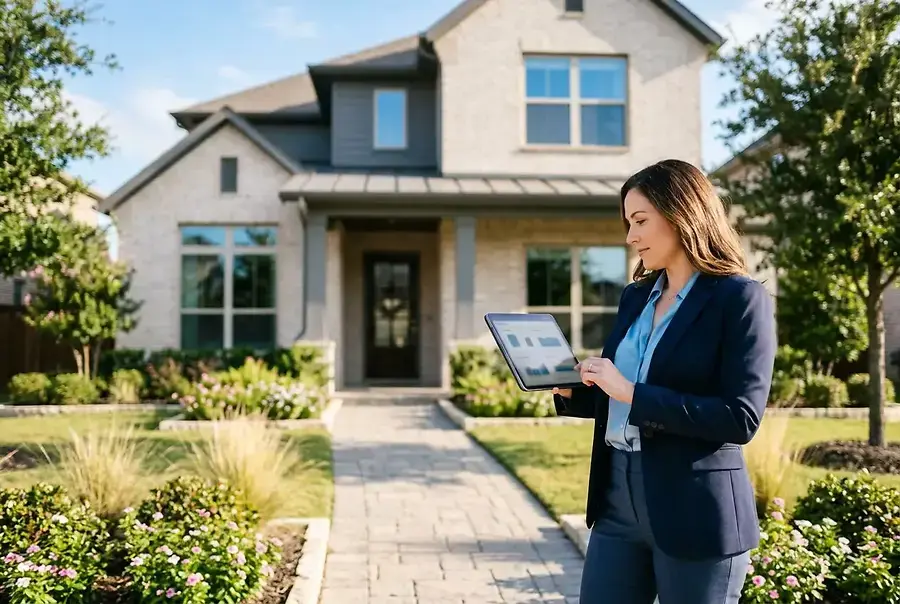
Introduction: Why Pricing Strategy Matters for Arlington Sellers
When it comes to selling your home in Arlington, Texas, one of the most critical decisions you'll make is determining the right asking price. Pricing is not just a number—it's a strategic tool that can make or break your sale. Set your price too high, and you'll watch potential buyers scroll past your listing. Set it too low, and you'll leave money on the table that could have been yours.
Arlington's real estate market is dynamic and competitive. Whether you're selling a cozy starter home or a sprawling family estate, understanding how to price your property correctly is essential for attracting serious buyers and achieving your financial goals. This guide will walk you through proven pricing strategies that work in today's Arlington market.
Analyzing Comparable Sales and Current Market Conditions in Arlington
Understanding Comparable Sales (Comps)
The foundation of any solid pricing strategy begins with comparable sales analysis, commonly known as "comps." This involves researching recently sold homes in your neighborhood that are similar to yours in terms of:
- Square footage and lot size
- Number of bedrooms and bathrooms
- Age and condition of the property
- Special features and upgrades
- Location within Arlington
By examining what similar homes have sold for recently, you gain valuable insight into what buyers are willing to pay. Look for sales that closed within the last 90 days to ensure you're working with current market data. Older sales may not accurately reflect today's conditions.
Evaluating Current Market Conditions
Arlington's real estate market is influenced by several key factors that affect pricing:
- Supply and Demand: When there are fewer homes on the market than buyers looking to purchase, prices tend to rise. Conversely, an oversupply can put downward pressure on prices.
- Interest Rates: Higher mortgage rates can reduce buyer purchasing power, potentially affecting what homes sell for in the area.
- Economic Growth: Arlington's continued development and job growth make it an attractive market for homebuyers, which can support competitive pricing.
- Seasonal Trends: Spring and early summer typically see more buyer activity, while winter months may be slower.
Understanding these conditions helps you position your home strategically in the current marketplace.
Working with Real Estate Professionals
A knowledgeable local real estate agent can provide you with detailed market analysis and current data that may not be readily available to the general public. Their expertise in Arlington's neighborhoods and market trends is invaluable when determining the optimal price for your home.
Setting the Right Price: Avoiding Overpricing and Underpricing Mistakes
The Dangers of Overpricing
Overpricing is one of the most common mistakes Arlington sellers make. When a home sits on the market at an inflated price, several negative consequences can occur:
- Fewer showings and less buyer interest
- Your home becomes "stale" on the market, raising red flags for potential buyers
- You may eventually have to reduce the price anyway, signaling to buyers that you're desperate
- Appraisals may come in lower than your asking price, complicating financing for buyers
Remember: The first few weeks on the market are critical. Price competitively from day one to capture maximum buyer interest.
The Cost of Underpricing
While underpricing might seem like a way to generate quick interest, it comes with its own set of problems. When you price your home below market value, you're essentially leaving money on the table. In a competitive market, every dollar counts, and underpricing can cost you thousands in lost equity.
Additionally, underpricing can sometimes raise suspicion among buyers who wonder what's wrong with the property. A well-priced home that reflects true market value builds confidence and attracts serious, qualified buyers.
Finding the Sweet Spot
The ideal price is one that reflects current market conditions while remaining attractive to buyers. Here's how to find it:
- Start with your comps: Calculate the average price per square foot from comparable sales and apply it to your home.
- Adjust for differences: If your home has upgrades that similar homes don't have, add value. If it needs repairs, subtract accordingly.
- Consider the market: In a seller's market, you can price closer to the top of your range. In a buyer's market, be more conservative.
- Price strategically: Consider pricing just below a round number (e.g., $449,900 instead of $450,000) to attract more online searches and buyer interest.
The Power of Professional Appraisals
Before listing your home, consider getting a professional appraisal. This independent assessment provides an objective valuation of your property and can give you confidence in your pricing strategy. An appraisal protects both you and potential buyers by ensuring the price aligns with the home's actual value.
Conclusion: Taking Action to Maximize Your Home's Sale Price
Pricing your Arlington home correctly is both an art and a science. It requires careful analysis of comparable sales, understanding of current market conditions, and strategic decision-making. By avoiding the common pitfalls of overpricing and underpricing, you position yourself to attract serious buyers and achieve the best possible outcome.
The time to act is now. Reach out to a qualified local real estate agent who understands Arlington's market, gather your comparable sales data, and set a price that reflects your home's true value. With the right pricing strategy in place, you'll be well on your way to a successful sale that maximizes your return on investment.
Remember, in real estate, timing and pricing go hand in hand. Price your home right, and the buyers will come.