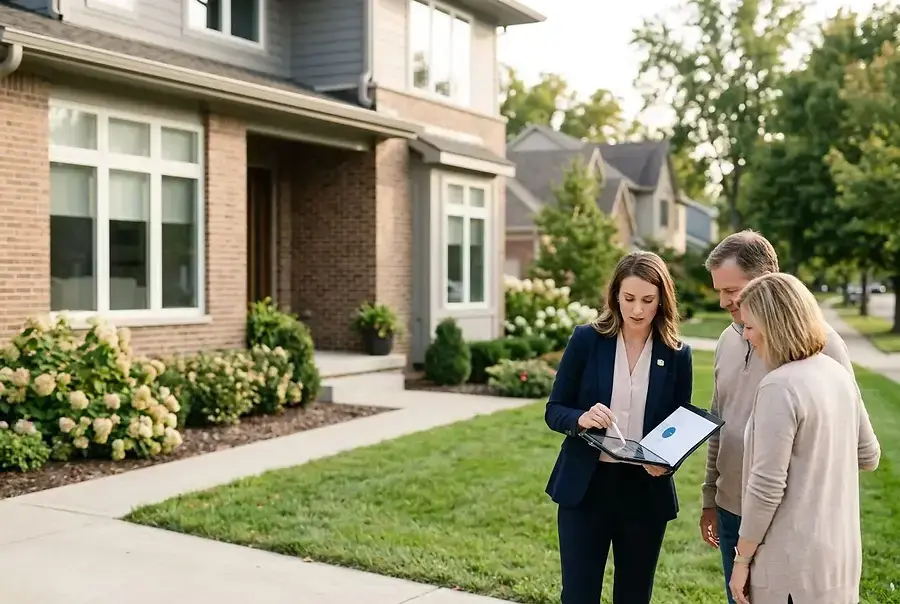
Understanding Bloomington's Current Market Conditions and Buyer Demand
The Bloomington residential market is experiencing dynamic shifts that directly impact how homeowners should approach pricing their properties. To maximize your profit, you must first understand the landscape in which you're selling. The local market is characterized by steady demand from both first-time homebuyers and families seeking to relocate to this vibrant community.
Several factors influence current buyer demand in Bloomington:
- Population Growth: The area continues to attract new residents drawn by employment opportunities and quality of life
- School District Reputation: Highly-rated schools remain a primary driver for family purchases
- Inventory Levels: Understanding whether it's a buyer's or seller's market helps inform your pricing strategy
- Interest Rate Environment: Mortgage rates affect buyer purchasing power and market activity
- Neighborhood Desirability: Specific areas within Bloomington command different price premiums
Before listing your home, spend time researching recent sales data, active listings, and pending transactions in your neighborhood. This groundwork provides the foundation for intelligent pricing decisions that reflect true market value.
Comparative Market Analysis: Determining Your Home's Competitive Price Point
What is a Comparative Market Analysis?
A Comparative Market Analysis (CMA) is the most reliable method for determining your home's competitive price. This analysis examines recently sold properties similar to yours in location, size, condition, and features. Rather than guessing or relying on outdated estimates, a CMA provides data-driven insights into what buyers are actually paying.
Key Metrics to Consider
When conducting your CMA, focus on these essential metrics:
- Price Per Square Foot: Calculate the average price per square foot for comparable homes to establish a baseline
- Days on Market: Properties that sell quickly may indicate underpricing, while those lingering suggest overpricing
- List-to-Sale Price Ratio: Determine what percentage of asking price comparable homes actually sold for
- Property Condition: Account for upgrades, renovations, and maintenance differences between your home and comparables
- Market Absorption Rate: Understand how quickly homes are selling in your area
Working with a knowledgeable real estate agent who has access to Multiple Listing Service (MLS) data ensures your CMA is accurate and comprehensive. They can identify true comparables and adjust for differences that affect value.
The Sweet Spot: Avoiding Common Pricing Mistakes
Overpricing is the most common mistake homeowners make. While it's tempting to list high, overpriced homes sit longer on the market, attract fewer showings, and ultimately sell for less than properly priced homes. Buyers and their agents quickly identify overpriced properties, and the longer a home remains unsold, the more it signals problems to potential buyers.
Underpricing leaves money on the table. While it may generate quick offers, you're sacrificing profit you rightfully deserve. Strategic pricing attracts serious buyers willing to pay fair market value without the desperation that comes from overpricing.
Pricing Psychology and Positioning Your Home for Success
The Power of Strategic Pricing
Pricing psychology plays a significant role in buyer perception and decision-making. Consider these proven strategies:
- Charm Pricing: Prices ending in 9 or 5 (like $349,900) feel more attractive to buyers than round numbers, even though the difference is minimal
- Price Anchoring: Your initial listing price sets the anchor for buyer expectations. A well-researched, competitive price attracts serious inquiries from the start
- Psychological Thresholds: Breaking into a lower price bracket (e.g., $299,999 instead of $300,000) can significantly increase buyer interest
Positioning Your Home in the Market
Beyond the price itself, how you position your home matters enormously. Price is just one component of your overall marketing strategy.
Consider these positioning tactics:
- Highlight Unique Features: If your home has special characteristics—updated kitchen, energy-efficient systems, mature landscaping—ensure your pricing reflects these value-adds
- Professional Photography and Staging: Quality visuals justify your asking price and attract more qualified buyers
- Compelling Listing Description: Use descriptive language that helps buyers envision themselves in your home
- Strategic Marketing: Targeted advertising reaches the right buyers at the right time
Flexibility and Market Response
Even with excellent research, market conditions can shift. Monitor your listing's performance closely. If you're receiving few showings or inquiries, it may indicate overpricing. Conversely, multiple offers suggest you may have underpriced. Be prepared to adjust your strategy based on real market feedback.
Some sellers benefit from strategic price reductions after 2-3 weeks on market. A well-timed reduction can reignite buyer interest and signal that you're serious about selling. However, avoid reactive pricing based on a single low offer—instead, let market data guide your decisions.
Conclusion: Implementing Your Pricing Strategy with Confidence
Selling your Bloomington home successfully requires balancing art and science. The science comes from thorough market analysis, comparable property research, and data-driven decision-making. The art lies in understanding buyer psychology, positioning your home effectively, and remaining flexible as market conditions evolve.
"The right price at the right time attracts serious buyers and maximizes your profit. Take time to get it right from the start."
Here's your action plan for implementing a winning pricing strategy:
- Conduct a thorough Comparative Market Analysis with professional guidance
- Research your specific neighborhood's market conditions and buyer demand
- Price strategically using psychology principles that attract serious buyers
- Monitor listing performance and remain willing to adjust if market data warrants it
- Combine competitive pricing with excellent presentation and marketing
- Partner with an experienced real estate professional who understands Bloomington's market
By implementing these strategies with confidence, you'll position yourself to attract serious buyers, minimize time on market, and achieve maximum profit from your Bloomington home sale. Remember: the goal isn't just to sell—it's to sell smart.