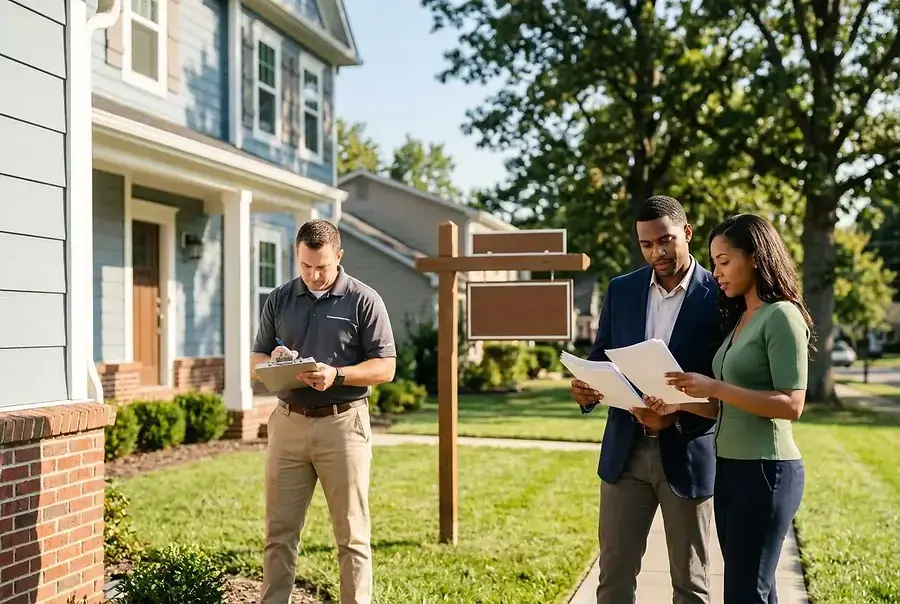
Understanding the Pre-Listing Inspection and Its Impact on Your Sale Price
Before listing your Dayton home, conducting a pre-listing inspection is one of the smartest investments you can make. This proactive step allows you to identify potential issues before buyers discover them, giving you significant control over your sale price and timeline.
Why Pre-Listing Inspections Matter
A pre-listing inspection reveals structural problems, mechanical failures, and safety concerns that could derail a sale or trigger renegotiations. By addressing these issues upfront, you demonstrate transparency and build buyer confidence. Homes with pre-listing inspections typically sell faster and for higher prices because buyers feel more secure in their purchase.
Common Issues Found in Dayton Homes
Dayton's older housing stock often reveals:
- Aging roof systems requiring replacement or repair
- Outdated electrical wiring and panel upgrades
- Foundation cracks and settling issues
- HVAC systems nearing the end of their lifespan
- Plumbing concerns and water damage
Understanding these common issues helps you prepare financially and strategically. You can choose to repair items yourself, offer credits to buyers, or adjust your asking price accordingly.
Strategic Pricing After Inspection
Knowledge is power in real estate. Armed with inspection results, you can price your home competitively while accounting for necessary repairs. This transparency prevents surprises during buyer inspections and reduces the likelihood of deals falling through due to inspection contingencies.
Navigating Appraisals and Appraisal Gaps in Dayton's Current Market
Once you've accepted an offer, the buyer's lender will order an appraisal. This independent assessment determines the home's market value and directly impacts the loan amount the buyer can secure.
Understanding the Appraisal Process
An appraiser evaluates your home by comparing it to recently sold comparable properties in Dayton. They assess condition, location, square footage, and market trends. The appraisal is crucial because it protects the lender's investment and ensures the buyer isn't overpaying.
What Happens When Appraisals Fall Short
An appraisal gap occurs when the appraised value is lower than the agreed-upon sale price. In Dayton's dynamic market, this can happen due to:
- Recent market fluctuations affecting comparable sales
- Condition issues the appraiser identifies
- Location-specific factors impacting value
- Limited comparable sales in your neighborhood
When an appraisal gap emerges, you have several options: renegotiate the price, request the buyer increase their down payment, or challenge the appraisal with additional documentation of recent improvements or comparable sales.
Preparing for a Strong Appraisal
Maximize your appraisal value by:
- Ensuring your home is clean and well-maintained during the appraisal
- Providing documentation of recent upgrades and repairs
- Highlighting energy-efficient improvements
- Maintaining detailed records of maintenance and renovations
Working with your real estate agent to gather comparable sales data strengthens your position if an appraisal gap occurs.
Timeline and Logistics: From Offer Acceptance to Final Closing Day
Understanding the closing timeline helps you prepare mentally and financially for the transition. Most Dayton home sales follow a predictable sequence, though timelines can vary based on financing and contingencies.
Week One: Offer Acceptance and Initial Steps
Once your offer is accepted, several processes begin simultaneously. The buyer's lender orders the appraisal, title search begins, and your real estate agent coordinates inspections. This is when you should gather all documentation about your home, including warranties, permits, and maintenance records.
Weeks Two to Three: Inspections and Appraisals
The buyer's inspector will schedule a thorough examination of your home. Plan to be present or have your agent attend on your behalf. Simultaneously, the appraisal is underway. If issues arise during inspection, be prepared to negotiate repairs or credits.
During this period, the title company completes its search to ensure clear ownership and identify any liens or encumbrances that must be resolved before closing.
Weeks Three to Four: Underwriting and Final Preparations
The lender's underwriting team reviews all documentation to approve the loan. They may request additional information from you or the buyer. Your title company prepares closing documents, and your real estate agent coordinates final walk-throughs.
Pro Tip: Schedule your final walk-through 24 hours before closing to verify agreed-upon repairs are complete and the home is in expected condition.
Closing Day: The Final Step
On closing day, you'll sign documents transferring ownership to the buyer. This typically occurs at the title company's office. Bring a valid ID and be prepared to sign numerous documents including the deed, settlement statement, and various disclosures.
After signing, funds are transferred, and the deed is recorded with the county. You'll receive your proceeds, typically within one to three business days after closing.
Post-Closing Considerations
After closing, ensure utilities are transferred to the buyer's name and provide them with all keys, remotes, and documentation. Update your address with relevant institutions and prepare for your move.
Conclusion: Empowering Sellers with Knowledge for a Smooth Transaction
Selling your Dayton home doesn't have to be stressful. By understanding the inspection process, preparing for appraisals, and knowing what to expect throughout the timeline, you position yourself for success.
The key to a smooth transaction is preparation and communication. Invest in a pre-listing inspection, work closely with your real estate agent, and maintain transparency with buyers. When challenges arise—and they often do—you'll have the knowledge and confidence to navigate them effectively.
Remember, every home sale is unique, but these fundamental steps remain consistent in Dayton's residential market. By mastering these elements, you're not just selling a property; you're ensuring a positive experience that sets the stage for your next chapter.