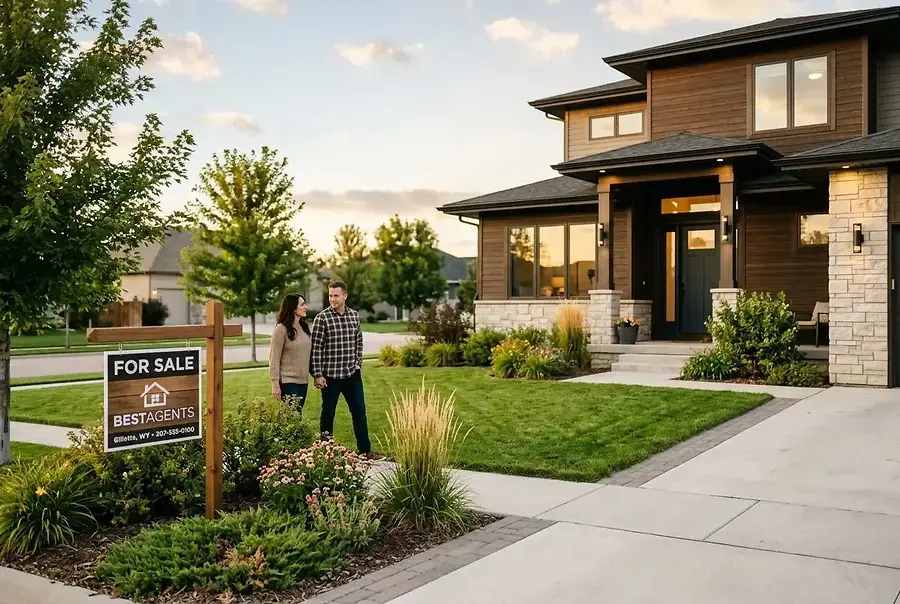
Understanding Gillette's Current Market Conditions and Comparable Sales
Before listing your Gillette home, it's essential to understand the local real estate landscape. The Gillette market has shown steady activity with properties moving at a reasonable pace. To price your home correctly, you need to analyze comparable sales—homes similar to yours that have sold recently in your area.
Analyzing Comparable Properties
Start by identifying at least 5-10 homes that are similar to yours in terms of:
- Square footage (within 10% of your home's size)
- Age and condition of the property
- Number of bedrooms and bathrooms
- Location and neighborhood desirability
- Special features and upgrades
Look at homes that sold within the last 90 days for the most accurate pricing data. This information is publicly available through county records, real estate websites, and your local MLS (Multiple Listing Service).
Market Trends and Timing
Gillette's real estate market responds to local economic factors, including employment rates and population growth. Understanding whether you're in a buyer's or seller's market is crucial. In a seller's market, you have more negotiating power. In a buyer's market, pricing competitively becomes even more important to attract serious offers quickly.
Pricing Your Home Competitively Without Leaving Money on the Table
The sweet spot for pricing is where market value meets buyer psychology. Price too high, and your home sits on the market. Price too low, and you're essentially giving away equity.
The Art of Strategic Pricing
Price at or slightly below market value to generate immediate interest and multiple offers. This strategy often results in a bidding war that drives your final sale price higher than if you had listed at an inflated price initially. Homes priced within 5% of comparable sales typically sell 20-30% faster.
Consider these pricing strategies:
- Competitive Market Pricing: List at 95-98% of comparable sales value to attract multiple buyers
- Value-Add Pricing: If your home has recent upgrades, justify a 3-5% premium with documentation
- Psychological Pricing: Use prices ending in .99 or .95 to make the listing more appealing
Avoiding Common Pricing Mistakes
Don't fall into the trap of emotional pricing. Your home's worth is determined by the market, not by what you paid for it or what you wish to receive. Overpricing leads to:
- Extended time on market (homes listed over 90 days lose buyer appeal)
- Price reductions that signal desperation to buyers
- Fewer showings and lower-quality offers
- Increased carrying costs and holding expenses
Work with a qualified real estate agent who can provide a Comparative Market Analysis (CMA) to support your pricing decision with data.
Strategic Staging and Presentation to Justify Your Asking Price
Once you've priced your home competitively, your presentation must justify that price. Strategic staging helps buyers envision themselves living in your space and supports your asking price.
Curb Appeal and First Impressions
Buyers make decisions within the first 10 seconds of seeing your home. Invest in curb appeal:
- Fresh exterior paint or power washing
- Landscaping and lawn maintenance
- Updated front door and hardware
- Welcoming entryway lighting
- Clean, well-maintained driveway
Interior Staging Essentials
Inside, focus on creating neutral, spacious-feeling rooms that appeal to the broadest audience:
- Declutter and depersonalize each room
- Neutralize bold colors with fresh paint
- Arrange furniture to highlight room size and flow
- Ensure excellent lighting throughout
- Deep clean every surface and corner
- Highlight key features like fireplaces, built-ins, or views
Showcasing Value Through Documentation
Provide buyers with evidence that supports your asking price. Create a home information sheet that includes:
- Recent upgrades and their costs
- Maintenance records and inspections
- Energy efficiency ratings and utility costs
- Warranty information on major systems
- Neighborhood amenities and school information
Closing the Deal: Negotiation Tips for Getting Your Best Offer
Pricing and presentation attract buyers, but negotiation skills close the deal at your target price.
Preparing for Offers
Before you receive offers, establish your bottom line. Know the absolute lowest price you'll accept and your ideal sale price. This clarity helps you respond strategically to offers without making emotional decisions.
Evaluating Multiple Offers
When you receive offers, look beyond the purchase price. Consider:
- Earnest money deposit amount (shows buyer commitment)
- Financing contingencies and pre-approval status
- Inspection contingencies and repair allowances
- Closing timeline and flexibility
- Appraisal contingencies
A lower offer with fewer contingencies and a quick closing may be worth more than a higher offer with multiple conditions.
Negotiation Strategies
Stay calm and professional during negotiations. Respond to counteroffers promptly but thoughtfully. If you receive multiple offers, you can use them as leverage to encourage your preferred buyer to strengthen their offer.
Consider these tactics:
- Request the buyer's highest and best offer upfront
- Set a deadline for counteroffers to create urgency
- Be willing to walk away from unreasonable offers
- Use your agent's expertise to interpret buyer intentions
- Focus on win-win solutions that satisfy both parties
Final Steps to Success
Once you've accepted an offer, maintain momentum through inspections, appraisals, and closing. Stay responsive to requests and address any issues promptly. Your goal is to reach closing day with the buyer still committed and satisfied.
Selling your Gillette home successfully requires balancing competitive pricing, strategic presentation, and skilled negotiation. By understanding your market, pricing wisely, staging effectively, and negotiating confidently, you'll maximize your profit and close the deal faster.