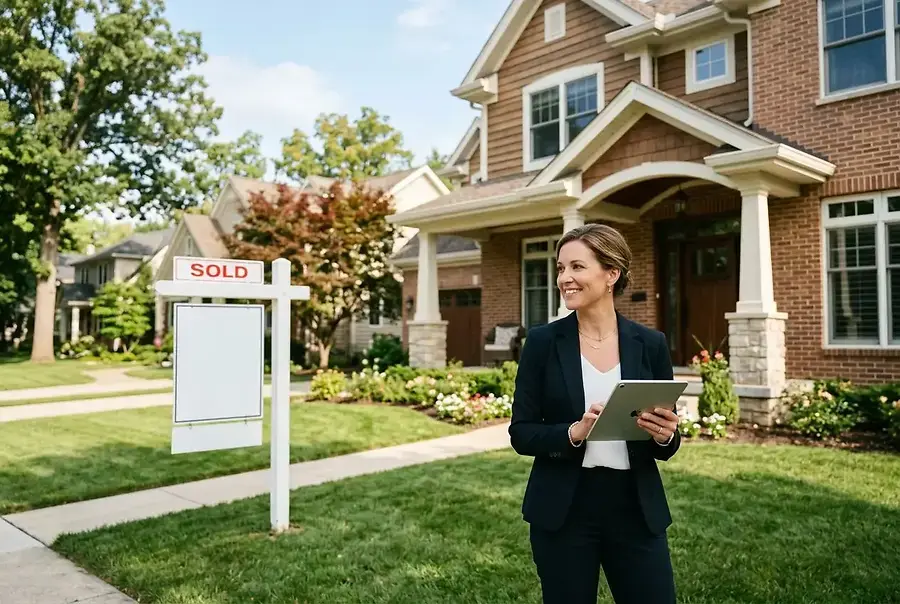
Understanding Current Market Conditions in Grand Rapids
The Grand Rapids real estate market is dynamic and competitive, with homeowners needing to stay informed about current trends to make smart selling decisions. The market has shown resilience with steady buyer interest, though conditions vary by neighborhood and property type.
Before listing your home, it's essential to understand the local inventory levels, average days on market, and buyer demand in your specific area. Grand Rapids neighborhoods range from historic downtown lofts to suburban family homes, each with distinct market characteristics. Working with a local real estate professional can provide valuable insights into these conditions and help you position your property effectively.
Key Market Indicators to Monitor
- Inventory Levels: How many homes are currently for sale in your neighborhood
- Days on Market: Average time homes spend listed before selling
- Price Trends: Whether prices are appreciating, declining, or stabilizing
- Buyer Demographics: Who is actively purchasing in your area
Understanding these indicators helps you position your home strategically and set realistic expectations for the selling timeline.
Comparative Market Analysis: Pricing Your Home Right
A Comparative Market Analysis (CMA) is your most powerful tool for determining the right asking price. This analysis examines recently sold homes, active listings, and expired listings that are similar to your property in location, size, condition, and features.
Steps to Conduct an Effective CMA
1. Identify Comparable Properties: Look for homes sold within the last 90 days that are similar to yours. Focus on properties within a quarter-mile radius when possible, as location significantly impacts value.
2. Adjust for Differences: No two homes are identical. If a comparable home has an extra bedroom or updated kitchen, adjust the price accordingly. Typical adjustments might range from $5,000 to $25,000 depending on the feature.
3. Analyze Market Conditions: Consider whether you're in a buyer's market or seller's market. In a seller's market, you may price closer to the higher end of your range. In a buyer's market, competitive pricing becomes even more critical.
4. Review Price Per Square Foot: Calculate the average price per square foot for comparable homes and apply this metric to your property as a sanity check on your pricing.
Pricing Strategies for Maximum Appeal
"Pricing your home correctly from day one is crucial—overpricing leads to longer market times and eventual price reductions, while underpricing leaves money on the table."
Consider these strategic pricing approaches:
- Competitive Pricing: Price at or slightly below market value to generate immediate interest and multiple offers
- Psychological Pricing: Use prices ending in 9 (e.g., $349,900) to create perceived value
- Premium Pricing: If your home has unique features or superior condition, price accordingly to reflect added value
Strategic Marketing to Reach Qualified Buyers
Even the best price won't sell your home if qualified buyers don't know it exists. Strategic marketing ensures your property reaches the right audience through multiple channels.
Digital Marketing Essentials
In today's market, most buyers begin their search online. Your listing should include:
- Professional photography showcasing your home's best features
- Virtual tours or video walkthroughs for remote buyers
- Detailed descriptions highlighting unique selling points
- Accurate information about schools, amenities, and neighborhood features
Ensure your listing appears on all major platforms including the MLS, Zillow, Realtor.com, and local Grand Rapids real estate websites.
Traditional and Community Marketing
Don't overlook traditional marketing methods that still reach serious buyers:
- Open houses to attract neighborhood interest
- Yard signs and directional signage
- Direct mail to neighbors and local investors
- Social media promotion through targeted ads
- Networking with local real estate agents
Targeting the Right Buyers
Understanding your ideal buyer helps you market more effectively. Are you selling to first-time homebuyers, families, investors, or downsizers? Each group responds to different marketing messages and property features. Tailor your marketing to highlight the benefits most relevant to your target audience.
Closing the Sale: Negotiation Tips and Timeline Expectations
Once you receive an offer, the real negotiation begins. Being prepared and strategic during this phase can significantly impact your final sale price and terms.
Evaluating Offers
Don't focus solely on price. Consider these factors when evaluating offers:
- Earnest Money Deposit: A larger deposit shows serious intent
- Contingencies: Fewer contingencies mean lower risk
- Closing Timeline: Can the buyer close quickly or do they need extended time?
- Financing: Pre-approval letters indicate buyer readiness
- Inspection and Appraisal: Will the buyer negotiate if issues arise?
Negotiation Strategies
Counter Strategically: If an offer is below your asking price, provide a thoughtful counter that leaves room for further negotiation while protecting your interests.
Highlight Your Home's Value: Use your CMA and market data to justify your pricing during negotiations. Show buyers why your home is worth the asking price.
Be Flexible on Terms: Sometimes accepting a slightly lower price with favorable terms (quick closing, fewer contingencies) results in a smoother transaction.
Timeline Expectations
Understanding typical timelines helps you plan accordingly. From listing to closing, expect:
- First 2 Weeks: Most showings and offers occur during this period
- Weeks 3-4: Inspection period and any renegotiations
- Weeks 5-6: Appraisal and final loan approval
- Week 7-8: Final walkthrough and closing
This timeline can vary based on market conditions, buyer financing, and any issues discovered during inspection.
Final Thoughts on Selling Success
Selling your Grand Rapids home successfully requires a combination of smart pricing, strategic marketing, and effective negotiation. By understanding your market, pricing competitively, reaching qualified buyers, and negotiating strategically, you'll maximize your chances of a successful sale at the best possible price. Consider partnering with an experienced local real estate agent who understands the Grand Rapids market and can guide you through each step of the process.