Why Strategic Home Selling Matters
Selling your home is one of the most significant financial decisions you'll make. Whether you're upgrading to a larger property, downsizing, or relocating, the approach you take can mean the difference between a quick sale at market value and a prolonged listing that fails to attract serious buyers. Strategic home selling isn't just about putting a "For Sale" sign in your yard—it's about understanding the market, preparing your property effectively, and positioning yourself to negotiate from a position of strength.
The real estate market is competitive, and buyers today are more informed than ever. They conduct thorough research, compare properties extensively, and have high expectations for the homes they consider. By implementing proven strategies, you can differentiate your property, create emotional connections with potential buyers, and ultimately achieve the best possible sale price.
Preparing Your Home for Market Success
Curb Appeal: Make a Lasting First Impression
The exterior of your home is the first thing potential buyers see. Investing in curb appeal can significantly impact buyer interest and perceived value. Consider these essential improvements:
- Refresh your front door with a fresh coat of paint in a welcoming color
- Maintain landscaping by trimming bushes, mowing the lawn, and planting seasonal flowers
- Power wash the driveway, walkway, and exterior walls to remove dirt and grime
- Ensure outdoor lighting is functional and attractive
- Update house numbers and mailbox for a polished appearance
Interior Staging and Decluttering
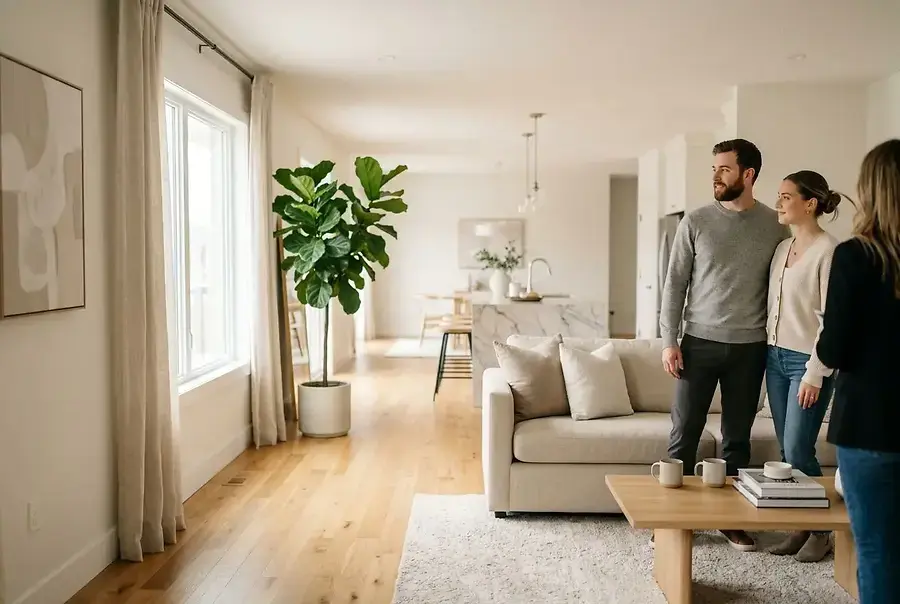
Staging your home is crucial for helping buyers envision themselves living there. A cluttered, personalized space can distract from your home's best features. Focus on these staging principles:
- Declutter aggressively—Remove personal items, excess furniture, and anything that doesn't serve a purpose
- Deep clean everything—From baseboards to ceiling fans, cleanliness signals proper maintenance
- Neutralize décor—Paint walls in neutral tones and minimize bold personal touches
- Arrange furniture strategically—Create open, flowing spaces that highlight room dimensions
- Enhance lighting—Open curtains, add lamps, and ensure all light fixtures work properly
Essential Repairs and Updates
Address any obvious maintenance issues before listing. Buyers are wary of homes requiring immediate repairs, and these issues often become negotiation points. Prioritize:
- Fixing leaky faucets and plumbing issues
- Repairing or replacing damaged flooring
- Updating outdated fixtures and hardware
- Ensuring HVAC systems are functioning properly
- Addressing any structural or roof concerns
Pricing, Marketing, and Negotiation Strategies
Strategic Pricing for Maximum Appeal
Pricing your home correctly is one of the most critical decisions you'll make. Overpricing can deter buyers and lead to a stale listing, while underpricing leaves money on the table. Work with a qualified real estate agent to conduct a comparative market analysis (CMA) that evaluates similar properties in your area. Consider:
- Recent sales of comparable homes in your neighborhood
- Current market conditions and inventory levels
- Your home's unique features and condition
- Days on market for similar properties
A well-priced home attracts more qualified buyers, generates competitive offers, and often sells faster and for more money than overpriced properties.
Effective Marketing Strategies
In today's digital-first market, your online presence is paramount. Ensure your listing includes:
- Professional photography—High-quality images from multiple angles and in good lighting
- Virtual tours—3D walkthroughs or video tours that showcase your home's layout and features
- Detailed descriptions—Highlight unique features, recent upgrades, and neighborhood amenities
- Strategic placement—List on major real estate platforms and leverage social media
- Open houses—Schedule strategic open houses to generate buyer interest and foot traffic
Mastering the Negotiation Process
When offers arrive, approach negotiations strategically. Don't accept the first offer automatically—take time to evaluate all proposals. Consider not just the price, but also:
- Buyer financing contingencies and pre-approval status
- Inspection contingencies and repair requests
- Closing timeline and flexibility
- Earnest money deposit amount
Work with your real estate agent to counter-offer strategically, protecting your interests while remaining competitive. Sometimes accepting slightly lower offers with fewer contingencies can be advantageous for a smoother transaction.
Your Path to a Successful Sale
Selling your home successfully requires a combination of preparation, strategic pricing, effective marketing, and skilled negotiation. By investing time and resources into preparing your property, understanding your market, and working with experienced professionals, you position yourself to achieve the best possible outcome.
Remember that every home is unique, and what works for one property may need adjustment for another. Stay flexible, remain responsive to buyer feedback, and trust the process. With these proven strategies in place, you're well-equipped to attract qualified buyers, generate competitive offers, and achieve a successful sale at top market value.
The key to maximizing your home's sale value isn't complicated—it's about being strategic, thorough, and proactive every step of the way.