Understanding Current Market Conditions in Houston Suburbs and Long Island
The real estate landscape in Houston suburbs and Long Island has evolved significantly, creating both challenges and opportunities for home sellers. These competitive markets demand a strategic approach that goes beyond traditional listing methods.
In the Houston suburbs, inventory levels remain moderate, giving sellers who prepare properly a distinct advantage. Long Island continues to attract buyers seeking proximity to urban centers while maintaining suburban charm. Understanding these regional dynamics is crucial for positioning your home effectively.
Market Dynamics and Buyer Expectations
Today's buyers are more informed than ever. They research neighborhoods extensively, compare properties online, and have high expectations for home presentation. In both markets, first impressions matter tremendously—homes that photograph well and show impeccably tend to receive multiple offers within days of listing.
The average time on market varies by neighborhood, but homes priced correctly and presented professionally typically sell within 2-4 weeks. Buyers in these areas prioritize:
- Move-in ready condition
- Updated kitchens and bathrooms
- Energy-efficient features
- Outdoor living spaces
- Strong school districts and neighborhood amenities
Essential Home Preparation and Staging Tips for Maximum Appeal
Before listing your home, invest time in strategic preparation. This isn't about expensive renovations—it's about showcasing your home's best features and eliminating distractions.
Curb Appeal: Your First Opportunity
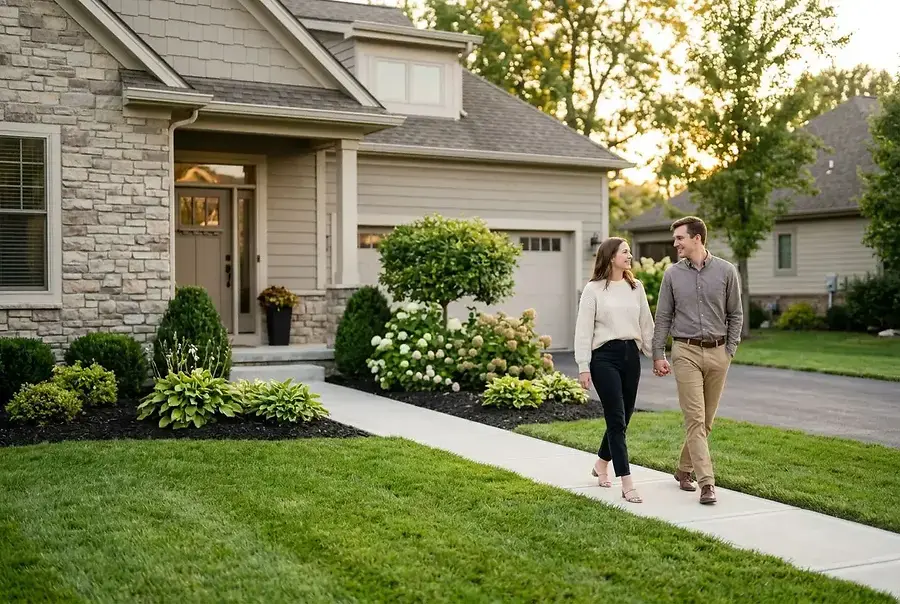
Your home's exterior creates the first impression. Focus on:
- Fresh landscaping and well-maintained lawn
- Clean, welcoming front entrance
- Updated house numbers and hardware
- Pressure-washed driveway and walkways
- Neutral paint colors for front door and trim
A well-maintained exterior can increase perceived value by 5-10% before buyers even step inside.
Interior Staging Essentials
Strategic staging helps buyers envision themselves in your home. Declutter ruthlessly—remove personal items, excess furniture, and anything that distracts from the home's architecture and flow.
Key staging priorities include:
- Neutral wall colors and minimal personal décor
- Clean, organized closets and storage spaces
- Well-lit rooms with updated lighting fixtures
- Fresh paint in neutral tones
- Spotless bathrooms and kitchens
- Inviting outdoor spaces with comfortable seating
The Power of Professional Photography
In today's market, most buyers begin their search online. Professional photography is non-negotiable. High-quality images with proper lighting, composition, and editing significantly increase click-through rates and showings. Consider virtual tours and drone photography for properties with exceptional outdoor features.
Effective Pricing Strategies and Marketing Techniques That Work
Pricing is perhaps the most critical factor in selling quickly. Overpriced homes languish on the market, while strategically priced homes attract multiple offers and competitive bidding.
Competitive Market Analysis
Work with your real estate agent to conduct a thorough comparative market analysis (CMA). This involves analyzing recently sold homes with similar features, size, and location. Price your home competitively based on:
- Recent comparable sales in your neighborhood
- Current active listings
- Days on market for similar properties
- Market absorption rate
Homes priced within 3-5% of market value typically sell 40% faster than overpriced properties.
Strategic Marketing Approaches
Beyond traditional MLS listings, successful sellers employ multi-channel marketing:
- Social media campaigns targeting local buyers and relocating professionals
- Email marketing to agent networks and past buyer databases
- Open houses strategically timed for maximum foot traffic
- Neighborhood-specific advertising highlighting community amenities
- Virtual tours and 3D walkthroughs for out-of-area buyers
Creating Urgency
Consider strategic incentives that create buyer urgency without reducing your asking price. Options include offering closing cost assistance, including appliances, or providing a home warranty. These tactics can be more effective than price reductions in maintaining your home's perceived value.
Closing the Deal: Timeline and Next Steps for Sellers
Once you've received an offer, the closing process typically takes 30-45 days. Understanding each step ensures a smooth transaction.
Offer Evaluation and Negotiation
Evaluate offers based on more than just price. Consider:
- Buyer financing strength and pre-approval status
- Contingencies (inspection, appraisal, financing)
- Proposed closing timeline
- Earnest money deposit amount
Multiple offers are common in well-prepared homes—this gives you leverage to negotiate favorable terms.
Inspection and Appraisal Phase
After acceptance, the buyer orders a home inspection and appraisal. Be prepared to address inspection findings professionally. Most buyers expect minor repairs; transparency and quick responses build trust and keep deals on track.
Final Steps to Closing
As closing approaches:
- Coordinate final walkthrough with buyer
- Ensure all agreed-upon repairs are completed
- Review closing disclosure documents carefully
- Arrange utility transfers and address changes
- Prepare for final funds transfer
Working with experienced real estate professionals throughout this process minimizes complications and ensures a successful sale.
Moving Forward
Selling your home quickly in competitive markets like Houston suburbs and Long Island requires preparation, strategic pricing, and effective marketing. By implementing these proven strategies, you'll attract qualified buyers, generate competitive offers, and close your sale efficiently. Start with a professional market analysis and staging consultation to position your home for maximum success.