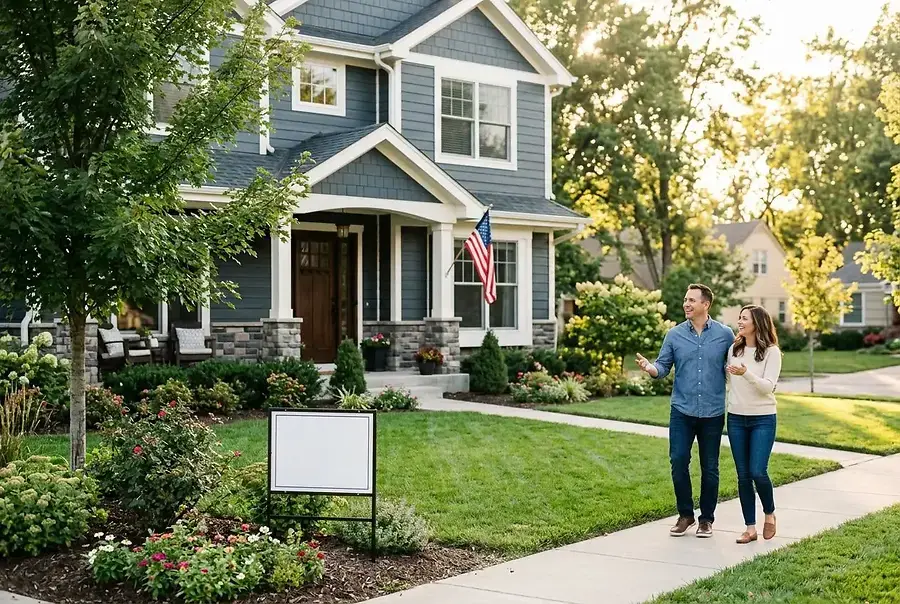
Understanding Current Market Conditions in the Kansas City Metro Area
The Kansas City metropolitan area continues to be a dynamic real estate market with distinct characteristics across different neighborhoods. Whether you're selling in Lee's Summit, Overland Park, Kansas City proper, or the surrounding suburbs, understanding the current market landscape is essential for pricing your home strategically.
The Kansas City metro has experienced steady growth over recent years, attracting both families and young professionals seeking affordable housing with strong community amenities. This demand has created a seller-friendly environment in many areas, though conditions vary by neighborhood and price point. Inventory levels, days on market, and price appreciation differ significantly between established suburbs and emerging neighborhoods.
Key Market Indicators to Monitor
Before listing your home, familiarize yourself with these critical metrics:
- Median home prices by neighborhood and price range
- Average days on market for similar properties
- Inventory levels and months of supply
- Price-to-list ratio showing how homes are selling relative to asking price
- Seasonal trends affecting buyer activity and pricing power
Lee's Summit and Overland Park, for example, tend to attract families seeking excellent schools and established neighborhoods, while urban Kansas City neighborhoods appeal to professionals and downsizers. Understanding your target buyer demographic helps inform your pricing and marketing strategy.
Pricing Your Home Competitively: Comparable Sales and Local Trends
Accurate pricing is the single most important factor in selling your home quickly and for top dollar. Overpricing leads to extended listing periods, while underpricing leaves money on the table. The key is finding that sweet spot through careful analysis.
Conducting a Comparative Market Analysis (CMA)
A thorough CMA examines recently sold homes in your area with similar characteristics. Look for properties that sold within the last 90 days that match your home's:
- Square footage (within 10-15%)
- Age and condition
- Number of bedrooms and bathrooms
- Lot size and location
- Special features and upgrades
In the Kansas City metro, neighborhoods can vary dramatically in value. A home in a highly desirable Lee's Summit school district may command a premium compared to a similar property in a less-established area. Work with a local real estate professional who has deep knowledge of your specific neighborhood's nuances.
Adjusting for Market Conditions
Don't simply average the prices of comparable homes. Instead, adjust for differences:
- Upgrades and improvements: Add value for recent renovations, updated systems, or premium finishes
- Condition: Deduct for needed repairs or maintenance issues
- Location premium: Account for proximity to schools, parks, or employment centers
- Market timing: Recent sales may command different prices than those from several months ago
The Kansas City metro's diverse neighborhoods mean that location-specific pricing is crucial. A home near downtown Overland Park's shopping district may appreciate differently than one in a quieter residential area, even if the homes are similar in size and condition.
Strategic Staging and Presentation to Attract Serious Buyers
Even the best price won't sell a home that doesn't show well. Strategic staging helps buyers envision themselves living in your space and justifies your asking price.
First Impressions Matter
Your home's curb appeal is the first thing potential buyers see. Invest in:
- Fresh landscaping and lawn maintenance
- Clean, well-maintained exterior paint and siding
- Updated front door and hardware
- Welcoming entrance lighting
- Pressure-washed driveway and walkways
In the Kansas City metro, where many homes feature mature trees and established yards, highlighting these natural features can be a significant selling point.
Interior Staging Strategies
Declutter and depersonalize your spaces. Remove family photos, excess furniture, and personal collections that might distract buyers. Instead, create a neutral canvas that allows them to imagine their own lives in the home.
Focus on highlighting your home's best features:
- Emphasize natural light with clean windows and minimal window coverings
- Stage the kitchen as a gathering space with fresh flowers or fruit
- Create cozy bedroom vignettes with quality bedding
- Showcase bathrooms with fluffy towels and minimal clutter
- Highlight unique architectural features or views
Professional staging can increase perceived value by 5-10% and reduce days on market significantly. Consider hiring a stager if you're selling in a competitive price range.
Digital Presentation
In today's market, most buyers begin their search online. Ensure your listing includes:
- High-quality professional photography from multiple angles
- Virtual tours or video walkthroughs
- Detailed descriptions highlighting neighborhood amenities
- Information about schools, parks, and local attractions
Closing the Deal: Negotiation Tips and Timeline Expectations
Once you've priced competitively and presented your home beautifully, the negotiation phase begins. Success here requires strategy, flexibility, and clear communication.
Understanding Buyer Offers
When offers arrive, evaluate them holistically—not just the price. Consider:
- Earnest money deposit: A larger deposit shows serious intent
- Contingencies: Fewer contingencies mean less risk for you
- Inspection period: Shorter periods reduce negotiation delays
- Closing timeline: Faster closings may be worth accepting a slightly lower price
- Financing: Cash offers or pre-approved buyers are more reliable
Negotiation Best Practices
Don't accept the first offer automatically, but also don't dismiss reasonable offers out of hand. In the Kansas City metro's balanced market, you may have multiple offers or a single strong one—adjust your strategy accordingly.
Work with your real estate agent to craft counteroffers that move negotiations forward. Be prepared to negotiate on price, closing date, repairs, or included items. Stay emotionally detached and focus on your bottom line.
Timeline Expectations
A typical home sale in the Kansas City metro follows this timeline:
- Listing to offer: 1-4 weeks (varies by season and price point)
- Inspection period: 7-10 days
- Appraisal and underwriting: 2-3 weeks
- Final walkthrough to closing: 1-2 weeks
- Total time to closing: 30-45 days on average
Understanding this timeline helps you set realistic expectations and plan your next move, whether that's purchasing another home or relocating.
Final Thoughts
Selling your home in the Kansas City metro successfully requires a combination of strategic pricing, attractive presentation, and skilled negotiation. By understanding your local market, pricing competitively, staging effectively, and negotiating wisely, you'll maximize your home's selling potential and achieve your real estate goals. Partner with experienced local professionals who understand the nuances of your specific neighborhood to guide you through the process.