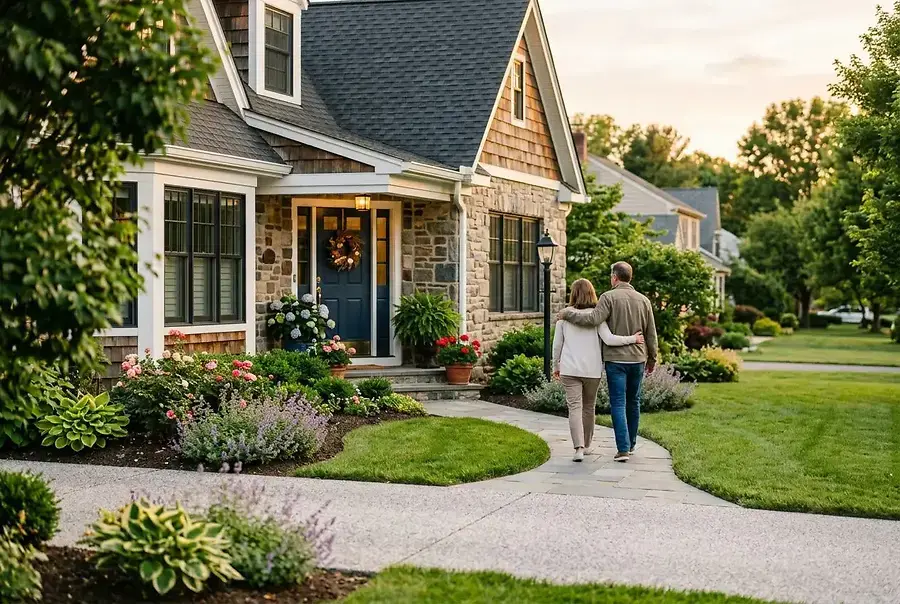
Understanding Your Local Market: Price Points and Buyer Demographics in Lancaster and Manheim
Before listing your home, it's crucial to understand the unique characteristics of the Lancaster and Manheim real estate markets. These communities attract diverse buyer profiles, from young families seeking suburban living to retirees looking for established neighborhoods with strong community ties.
Start by researching recent comparable sales in your area. Look at homes similar in size, condition, and location that have sold within the last three to six months. This data provides a realistic foundation for pricing your property competitively. Market knowledge is your greatest asset—homes priced too high sit longer on the market, while underpriced homes leave money on the table.
Key Market Factors to Consider
- School District Quality: Families prioritize excellent schools, making this a major value driver in both communities
- Proximity to Amenities: Access to shopping, dining, parks, and healthcare facilities influences buyer interest
- Neighborhood Trends: Growing neighborhoods with new development attract different buyers than established, quiet areas
- Seasonal Demand: Spring and early summer typically see higher buyer activity
Connect with a local real estate agent who understands these nuances. They can provide a Comparative Market Analysis (CMA) that gives you precise pricing guidance based on current market conditions.
Preparing Your Home for Sale: Curb Appeal, Staging, and Key Improvements
First impressions matter tremendously. Your home's exterior is the first thing potential buyers see, and it sets the tone for their entire viewing experience. A well-maintained exterior can increase perceived value and encourage buyers to step inside.
Enhancing Curb Appeal
- Power wash the driveway, walkway, and exterior walls
- Refresh landscaping with mulch, trimmed bushes, and seasonal flowers
- Paint the front door a welcoming color and ensure hardware is polished
- Repair any visible damage to siding, roof, or gutters
- Ensure outdoor lighting is functional and attractive
Strategic Home Staging
Staging helps buyers envision themselves living in your home. Declutter ruthlessly—remove personal items, excess furniture, and anything that distracts from the home's best features. Neutral colors on walls and furnishings appeal to the broadest audience.
Focus on highlighting key selling points: natural light, spacious rooms, updated kitchens, and comfortable living areas. Arrange furniture to create flow and emphasize room size. Fresh paint in neutral tones, clean carpets, and updated lighting fixtures can dramatically improve the home's appeal without breaking the bank.
Essential Repairs and Improvements
Address any obvious maintenance issues before listing. Buyers expect homes to be in good working order. Prioritize repairs that affect functionality and safety, such as roof repairs, electrical issues, and plumbing problems. Consider cost-effective upgrades like updated cabinet hardware, new faucets, or fresh paint that offer strong returns on investment.
Marketing Your Property Effectively: Digital Strategies and Open House Best Practices
In today's market, digital marketing is essential. Most buyers begin their search online, so your property's digital presence is critical to attracting qualified leads.
Digital Marketing Essentials
- Professional Photography: High-quality photos showcase your home's best features and significantly increase online engagement
- Virtual Tours: 3D walkthroughs and video tours allow buyers to explore your home from anywhere
- Online Listings: Ensure your property appears on major platforms with complete, accurate information
- Social Media Promotion: Share listings across Facebook, Instagram, and other platforms to reach wider audiences
- Targeted Advertising: Use digital ads to reach specific buyer demographics in your area
Hosting Effective Open Houses
Open houses remain valuable for generating buyer interest and creating a sense of urgency. Preparation is key to a successful open house. Clean thoroughly, eliminate cooking odors, and ensure the home is well-lit and comfortable.
Create an inviting atmosphere with fresh flowers, soft background music, and light refreshments. Have information packets available highlighting the home's features, neighborhood amenities, and school information. Be prepared to answer questions about utilities, property taxes, and recent improvements.
Schedule open houses during peak times—typically Saturday and Sunday afternoons—when most buyers are actively searching. Consider hosting multiple open houses to maximize exposure.
Navigating Offers and Closing: What to Expect from Contract to Keys
Once you receive an offer, the real negotiation begins. Don't accept the first offer automatically—evaluate it carefully against your goals and market conditions. Consider not just the price, but also contingencies, closing timeline, and buyer financing.
Evaluating Offers
- Purchase Price: Is it competitive with your asking price and market conditions?
- Contingencies: Are there inspection, appraisal, or financing contingencies that could delay closing?
- Closing Timeline: Does the proposed timeline work with your plans?
- Earnest Money: A larger deposit shows buyer commitment and seriousness
The Closing Process
After accepting an offer, you'll enter the closing phase. The buyer typically conducts a home inspection within 7-10 days. Be prepared for inspection requests—minor repairs may be negotiated, but major issues should have been addressed before listing.
The appraisal follows, ensuring the home's value supports the loan amount. Your real estate agent and attorney will handle most paperwork, but stay informed throughout the process. Review all documents carefully before signing.
Final walkthrough occurs just before closing, allowing the buyer to confirm the home's condition and that agreed-upon repairs were completed. At closing, you'll sign final documents, receive payment, and transfer the keys to the new owners.
Final Tips for Success
Selling a home successfully requires preparation, strategic marketing, and patience. By understanding your local market, presenting your home in its best light, and navigating negotiations professionally, you'll maximize your chances of achieving your selling goals.
Stay flexible during negotiations, maintain open communication with your real estate agent, and remember that the right buyer at the right price is worth waiting for. With these strategies in place, you're well-positioned to sell your Lancaster or Manheim home successfully.
