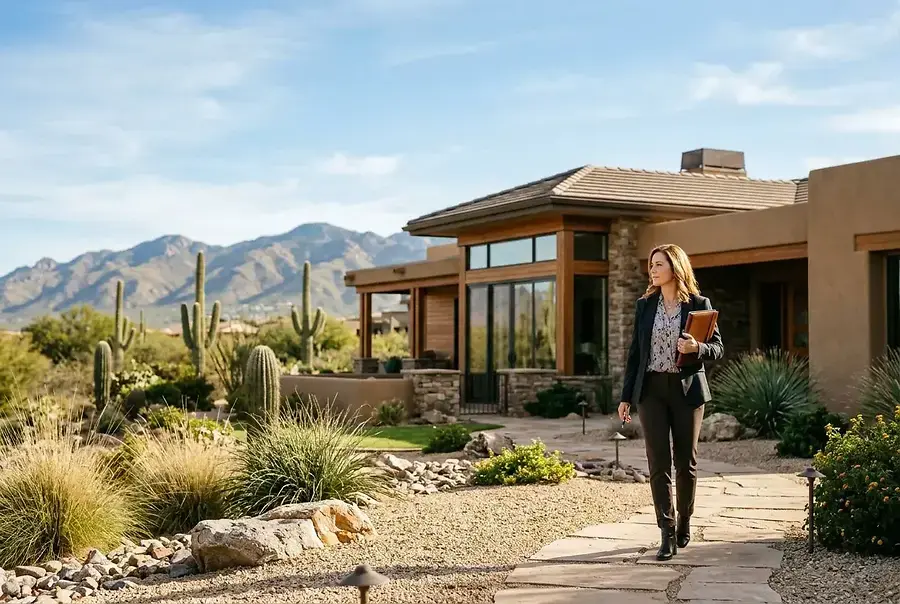
Understanding the Southern Arizona Real Estate Market Dynamics
The Southern Arizona real estate market presents unique opportunities and challenges for home sellers. The Tucson area and surrounding communities experience distinct seasonal patterns, demographic shifts, and economic factors that directly influence property values and buyer behavior.
Southern Arizona's market is characterized by steady demand from both relocating professionals and retirees seeking the region's warm climate and affordable living compared to other major metropolitan areas. However, inventory levels fluctuate throughout the year, affecting pricing power and negotiation leverage.
Key Market Factors to Consider
- Seasonal Trends: The winter months typically bring increased buyer activity as people escape colder climates, while summer months see reduced competition among sellers.
- Economic Growth: Job creation in tech, healthcare, and aerospace industries continues to drive migration to the region.
- Interest Rates: Current mortgage rates significantly impact buyer purchasing power and market activity levels.
- Local Development: New infrastructure projects and community improvements can enhance property values in specific neighborhoods.
Understanding these dynamics helps you position your home strategically and choose the optimal timing for listing.
Competitive Analysis: What Similar Homes Are Selling For in Your Area
Before setting your price, conduct a thorough competitive market analysis (CMA) by examining recently sold properties similar to yours. This research forms the foundation of an effective pricing strategy.
How to Perform Your Competitive Analysis
Identify Comparable Properties: Look for homes in your neighborhood that have sold within the last 90 days. Focus on properties with similar square footage, age, condition, and amenities. The closer the match, the more relevant the comparison.
Analyze Price Per Square Foot: Calculate the average price per square foot for comparable homes. This metric helps normalize differences between properties and reveals whether your home is priced competitively. For example, if comparable homes in your area average $185 per square foot and your home is 2,000 square feet, a competitive price would be around $370,000.
Factors That Affect Comparable Home Values
- Proximity to schools, shopping, and employment centers
- Lot size and outdoor living space
- Home condition and recent renovations
- Energy efficiency features and modern systems
- Neighborhood amenities and community features
- Views and natural surroundings
Pro Tip: Work with a local real estate agent who has access to multiple listing service (MLS) data and can provide detailed market insights specific to your neighborhood.
Setting the Right Price: Balance Between Value and Market Conditions
Pricing your home correctly is one of the most critical decisions you'll make as a seller. The right price attracts serious buyers, generates multiple offers, and maximizes your profit.
The Goldilocks Principle of Home Pricing
Price too high, and your home sits on the market while buyers look elsewhere. Price too low, and you leave money on the table. The goal is finding that "just right" price that reflects true market value.
Research shows that homes priced within 5% of market value sell 50% faster than overpriced homes.
Strategic Pricing Approaches
Market Value Pricing: Set your price based on recent comparable sales. This approach attracts the broadest buyer pool and typically results in faster sales with fewer price reductions.
Psychological Pricing: Consider pricing just below round numbers (e.g., $349,900 instead of $350,000). Research indicates these prices feel like better values to buyers and can generate more inquiries.
Premium Pricing: If your home has exceptional features, recent upgrades, or unique characteristics, you may justify a price above market average. However, ensure these premiums are supported by comparable sales data.
Competitive Pricing: In a buyer's market with high inventory, pricing slightly below market value can generate multiple offers and create bidding competition that drives your final sale price higher.
Adjusting Your Price Strategy
Your initial pricing strategy isn't set in stone. Monitor market response carefully:
- If your home receives multiple showings and offers within the first two weeks, your price is likely competitive.
- If showings are sparse after three weeks, consider a price reduction of 2-5% to reignite buyer interest.
- Track days on market compared to similar homes in your area to gauge pricing effectiveness.
- Pay attention to buyer feedback from showings to identify pricing concerns.
Successful sellers remain flexible and responsive to market feedback rather than becoming emotionally attached to an initial asking price.
Presentation Matters as Much as Price
Even perfectly priced homes won't sell quickly if they're not presented well. Invest in:
- Professional photography and virtual tours
- Staging to highlight your home's best features
- Curb appeal improvements
- Clear, compelling property descriptions
A well-presented home at the right price creates urgency and attracts serious buyers ready to make offers.
Conclusion: Position Your Home for Success
Selling your Southern Arizona home successfully requires understanding local market dynamics, conducting thorough competitive analysis, and setting a strategic price that balances value with market conditions. The homes that sell fastest and for the highest prices are those priced right from the start.
Take time to research your market, gather comparable sales data, and consider working with an experienced local real estate agent who understands the Tucson area and surrounding communities. By implementing these proven pricing strategies, you'll attract serious buyers, minimize time on market, and maximize your return on investment.
Remember: The best price is one that reflects true market value, generates buyer interest, and positions your home for a successful sale. Start with the right price, and everything else becomes easier.