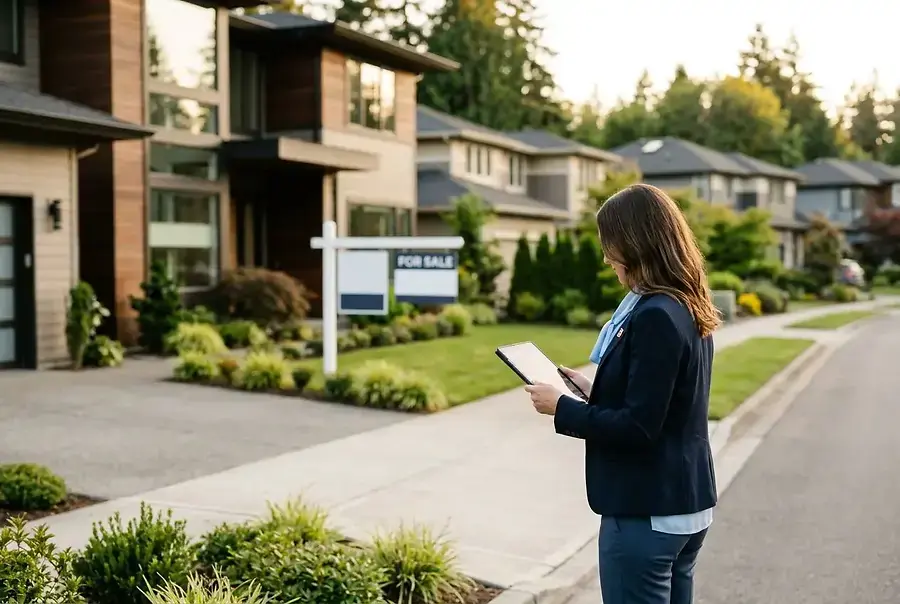
Understanding How Interest Rates Impact Buyer Demand in Seattle, Bellevue, and Tacoma
Rising interest rates fundamentally change the real estate landscape across the Puget Sound region. When mortgage rates climb, the purchasing power of potential buyers decreases significantly. A buyer who could afford a $600,000 home at 3% interest may only qualify for a $500,000 home at 7% interest, even with the same income and down payment.
This shift creates a buyer's market in many neighborhoods, particularly in Seattle, Bellevue, and Tacoma. Homes that sold in days during low-rate environments now sit on the market longer. Understanding this dynamic is crucial for sellers who want to remain competitive and attract serious buyers.
The Ripple Effect Across the Region
Higher interest rates don't just affect affordability—they influence buyer psychology. Potential homeowners become more cautious, more selective, and more willing to negotiate. They're also more likely to walk away from deals that don't feel like exceptional value. This means your home needs to stand out not just in appearance, but in overall value proposition.
Pricing Your Home Strategically When Buyer Competition is Lower
Aggressive pricing strategies that worked in a seller's market will backfire when interest rates are high. Instead, focus on strategic, data-driven pricing that reflects current market conditions.
Conduct a Thorough Comparative Market Analysis
Work with a real estate professional to analyze recently sold homes in your area, not just listed homes. Look at:
- Homes that sold in the last 30-60 days
- Days on market before sale
- Final sale price versus original listing price
- Homes that expired without selling
This data reveals what buyers are actually willing to pay in the current environment. Overpricing is a common mistake that leads to price reductions, which signal weakness to buyers and can actually reduce your final sale price.
Consider Strategic Incentives
Rather than overpricing and reducing later, consider offering buyer incentives that don't reduce your equity:
- Covering closing costs or points on the mortgage
- Offering a home warranty
- Including appliances or outdoor equipment
- Providing a credit toward repairs or upgrades
These tactics can make your home more attractive to cost-conscious buyers without the negative perception of a price reduction.
Marketing Techniques That Work When Financing is a Barrier for Buyers
When buyers are concerned about financing, your marketing must address their pain points directly and showcase your home's true value.
Highlight Energy Efficiency and Low Operating Costs
Buyers facing higher mortgage payments are more conscious of total housing costs. Emphasize:
- Energy-efficient upgrades and recent improvements
- Low utility bills and heating/cooling costs
- New roof, HVAC system, or insulation
- Smart home features that reduce energy consumption
This messaging helps buyers see that while the mortgage payment may be higher, their total monthly housing costs remain reasonable.
Leverage Digital Marketing and Virtual Tours
In a slower market, you need to reach more potential buyers. Invest in:
- Professional photography and videography
- 3D virtual tours and drone footage
- Targeted social media advertising
- Online listing optimization for search visibility
These tools help serious buyers self-qualify before scheduling showings, ensuring your open houses attract genuinely interested parties.
Tell Your Home's Story
Create compelling narratives around your home's unique features. Rather than generic descriptions, highlight:
- The neighborhood's walkability and amenities
- School quality and community resources
- Recent renovations and their benefits
- The lifestyle your home enables
Buyers in a challenging market need emotional connection combined with practical value. Give them both.
Negotiation Tips to Close Deals Faster in a Shifting Market
When buyer competition is lower, your negotiation approach must shift from holding firm to being strategically flexible.
Be Responsive and Flexible
In a buyer's market, responsiveness is a competitive advantage. When you receive an offer:
- Respond quickly, even if you need time to consider
- Be flexible on inspection timelines and contingencies
- Accommodate buyer requests when possible
- Show willingness to work toward a deal
Buyers remember sellers who are easy to work with. This goodwill can help close deals that might otherwise fall apart.
Focus on Certainty Over Price
A slightly lower offer with fewer contingencies is often better than a higher offer with multiple conditions. Consider accepting:
- Lower prices if the buyer has strong financing pre-approval
- Shorter closing timelines
- Fewer inspection contingencies
- Waived appraisal contingencies (when appropriate)
Certainty of closing is worth more than an extra $10,000 in a market where deals fall apart regularly.
Use Data to Support Your Position
When negotiating, reference the market data you gathered earlier. Show buyers and their agents:
- Comparable sales in your neighborhood
- Days on market for similar homes
- Price trends over recent months
- Your home's unique advantages
Data-driven negotiations are more productive than emotional arguments. They help all parties understand the realistic value of your home.
Know When to Walk Away
Finally, understand your bottom line before negotiations begin. Not every offer deserves acceptance. If an offer is significantly below market value or comes with unreasonable contingencies, you may be better served waiting for a better opportunity than accepting a problematic deal.
Moving Forward
Selling in a rising interest rate environment requires patience, strategic thinking, and flexibility. By understanding how rates impact buyers, pricing intelligently, marketing effectively, and negotiating wisely, you can successfully sell your Puget Sound home and achieve your financial goals. The key is adapting your approach to match current market conditions rather than clinging to strategies that worked in previous cycles.