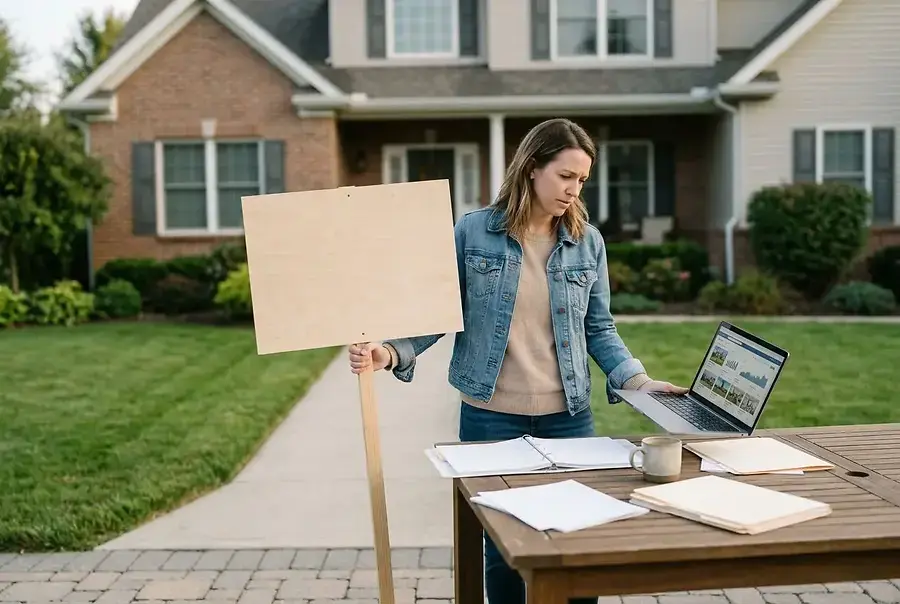
Introduction: The Appeal and Challenges of For-Sale-By-Owner
The idea of selling your home without a real estate agent is appealing for many homeowners. You imagine keeping the entire commission—typically 5-6% of the sale price—and maintaining complete control over the process. For a $400,000 home, that could mean saving $20,000 to $24,000. However, the reality of for-sale-by-owner (FSBO) selling is far more complex than simply listing your property and waiting for offers.
Selling a home involves navigating legal requirements, marketing strategies, pricing negotiations, and countless administrative tasks. While some homeowners successfully complete FSBO sales, many discover that the time investment, stress, and potential financial losses outweigh the commission savings. Understanding both the opportunities and pitfalls is essential before deciding to go it alone.
Legal Requirements and Documentation You Must Handle
Understanding Disclosure Laws
One of the most critical aspects of selling your home is providing accurate disclosures about the property's condition. Most states require sellers to disclose known defects, previous damage, repairs, and other material facts about the property. Failing to disclose information can result in legal liability, even after the sale closes.
As an FSBO seller, you are responsible for:
- Completing all required disclosure forms accurately and thoroughly
- Researching your state's specific disclosure requirements
- Understanding what constitutes a "material fact" in your jurisdiction
- Maintaining documentation of any disclosures provided
Contracts and Purchase Agreements
Creating a legally binding purchase agreement is not something to take lightly. A poorly drafted contract can lead to disputes, failed transactions, or legal complications. While templates are available online, they may not address your state's specific requirements or your unique situation.
Consider these contract essentials:
- Clear identification of the property and all included items
- Purchase price and payment terms
- Contingencies (inspections, appraisals, financing)
- Closing timeline and responsibilities
- Dispute resolution procedures
Title and Closing Documentation
Handling title work and closing documents requires attention to detail. You'll need to coordinate with a title company or attorney, ensure all liens are satisfied, and verify that the title is clear. Missing or incorrect documentation can delay closing or create post-sale problems.
Marketing, Pricing, and Showing Your Property Effectively
Pricing Your Home Competitively
Pricing is one of the most critical decisions in selling your home. Price too high, and you'll struggle to attract buyers. Price too low, and you'll leave money on the table. Real estate agents use comparative market analysis (CMA) to determine appropriate pricing based on recent sales of similar properties in your area.
As an FSBO seller, you can access some of this data through online platforms, but you may lack the expertise to interpret it correctly. Overpricing is one of the most common mistakes FSBO sellers make, often resulting in the property sitting on the market longer and eventually selling for less than it would have with proper initial pricing.
Marketing Your Property
Effective marketing goes far beyond a simple yard sign. Professional agents leverage multiple listing services (MLS), which exposes properties to thousands of potential buyers and their agents. FSBO properties are often excluded from the MLS, significantly limiting your buyer pool.
Your marketing options include:
- Online listing platforms (Zillow, Trulia, Facebook Marketplace)
- Professional photography and virtual tours
- Yard signs and open houses
- Social media promotion
- Direct outreach to local real estate agents
Quality photography and professional presentation are essential. Buyers often make snap judgments based on online listings, so investing in professional photos can significantly impact your ability to attract serious buyers.
Showing and Negotiating
Showing your home to potential buyers requires flexibility and professionalism. You'll need to manage scheduling, ensure the property is always presentation-ready, and handle inquiries promptly. Additionally, negotiating with buyers requires skill and emotional detachment—something that's difficult when you're personally invested in the property.
Real estate agents act as buffers during negotiations, helping sellers avoid emotional decisions and unrealistic expectations. Without this professional intermediary, you may struggle to negotiate effectively or might make costly mistakes.
Conclusion: When Professional Help Saves You Money
While saving on commission is tempting, the true cost of FSBO selling extends beyond the agent's fee. Consider the hidden costs:
- Time investment: Selling a home requires dozens of hours for marketing, showings, and administrative tasks
- Professional services: You may still need to hire attorneys, inspectors, and title companies
- Marketing expenses: Professional photography, online listings, and advertising add up quickly
- Pricing mistakes: Overpricing or underpricing can cost thousands in lost value
- Negotiation errors: Inexperienced negotiators often accept lower offers or unfavorable terms
Studies show that FSBO homes typically sell for 5-10% less than agent-listed properties, which often exceeds the commission savings.
For many homeowners, working with a qualified real estate agent is the more cost-effective choice. Agents bring expertise, market access, negotiation skills, and professional networks that can result in faster sales at better prices. Before deciding to sell on your own, carefully weigh the potential savings against the time, stress, and financial risks involved. Sometimes, paying a professional is the smartest investment you can make.
