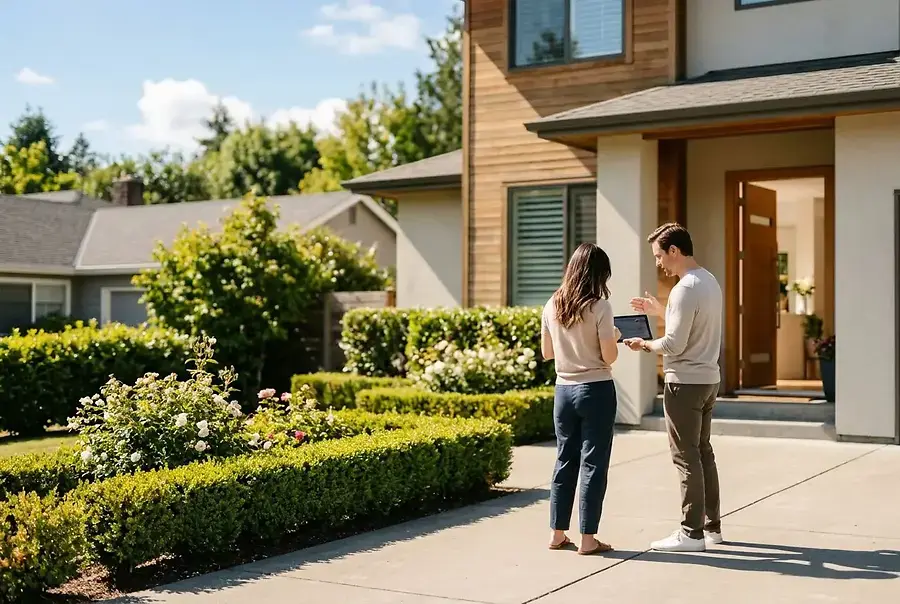
Understanding the For-Sale-By-Owner (FSBO) Process and Legal Requirements
Selling your home without a real estate agent, commonly known as For-Sale-By-Owner (FSBO), is an increasingly popular option for homeowners looking to save on commission fees and maintain greater control over the sales process. However, this approach requires careful attention to legal requirements and market knowledge.
Know Your Local Laws and Regulations
Before listing your property, research your state and local real estate laws. Different jurisdictions have varying requirements regarding:
- Disclosure requirements for property conditions
- Lead-based paint disclosures (for homes built before 1978)
- HOA documentation and transfer fees
- Title search and transfer procedures
- Contract requirements and documentation
Consider consulting with a real estate attorney to ensure you comply with all legal obligations. This investment upfront can save you significant headaches later.
Gather Essential Documentation
Prepare all necessary documents before marketing your property. You'll need property surveys, inspection reports, utility bills, mortgage information, and any warranties or service records. Having these ready demonstrates professionalism to potential buyers and accelerates the closing process.
Pricing Your Home Accurately and Preparing It for Market
Conduct a Comparative Market Analysis
Accurate pricing is crucial to attracting serious buyers. Perform a Comparative Market Analysis (CMA) by researching recently sold homes in your area with similar characteristics. Look at:
- Square footage and lot size
- Number of bedrooms and bathrooms
- Age and condition of the property
- Location and neighborhood amenities
- Recent sale prices and days on market
Online real estate platforms, county records, and local market reports provide valuable pricing data. Price your home competitively—too high and you'll discourage buyers; too low and you'll leave money on the table.
Prepare Your Home for Showings
First impressions matter tremendously. Invest time and resources in preparing your property:
- Curb Appeal: Enhance landscaping, paint the front door, and ensure the exterior is clean and well-maintained
- Deep Cleaning: Professional cleaning makes a significant difference in buyer perception
- Minor Repairs: Fix leaky faucets, replace broken fixtures, and address visible damage
- Decluttering: Remove personal items and excess furniture to help buyers envision the space
- Staging: Arrange furniture to highlight room functionality and flow
A well-prepared home can command a higher price and sell faster than one that appears neglected.
Marketing Your Property and Handling Buyer Inquiries Effectively
Create a Comprehensive Marketing Strategy
Effective marketing is essential for reaching potential buyers. Utilize multiple channels:
- Online Listings: Post on popular real estate websites and social media platforms with high-quality photos and detailed descriptions
- Professional Photography: Invest in professional photos and virtual tours to showcase your home
- Signage: Place attractive yard signs with contact information
- Open Houses: Host regular open houses to attract walk-in buyers
- Networking: Inform friends, family, and neighbors about your sale
Write compelling property descriptions that highlight unique features, recent upgrades, and neighborhood benefits. The more information you provide, the more qualified inquiries you'll receive.
Manage Buyer Inquiries Professionally
Respond promptly to all inquiries and maintain professional communication. When handling buyer questions:
- Be honest about the property's condition and history
- Provide detailed answers to specific questions
- Schedule showings at convenient times
- Keep records of all communications
- Screen potential buyers to ensure serious intent
Consider using a dedicated phone line or email address for property inquiries to maintain organization and professionalism.
Negotiating Offers and Closing the Sale on Your Terms
Evaluate and Negotiate Offers
When you receive an offer, carefully review all terms and conditions. Don't focus solely on price—consider:
- Contingencies (inspection, appraisal, financing)
- Proposed closing timeline
- Earnest money deposit amount
- Requested repairs or credits
- Buyer's financial pre-approval status
Negotiate strategically. You have the right to counter-offer, request additional earnest money, or decline contingencies. Remember that the highest offer isn't always the best—a lower offer with fewer contingencies may be more reliable.
Prepare for the Closing Process
Once you've accepted an offer, the closing process begins. Key steps include:
- Scheduling a professional home inspection
- Obtaining a title search and insurance
- Arranging for a final walkthrough inspection
- Reviewing the Closing Disclosure document
- Coordinating with the closing agent or attorney
Work closely with a title company or real estate attorney to handle closing documents and ensure all legal requirements are met. This protects both you and the buyer.
Final Tips for Success
Selling your home independently requires dedication, but the potential savings on commission fees and increased control over the process make it worthwhile for prepared sellers.
Stay organized, remain flexible during negotiations, and don't hesitate to seek professional advice when needed. With careful planning and execution, you can successfully sell your home and achieve your financial goals.