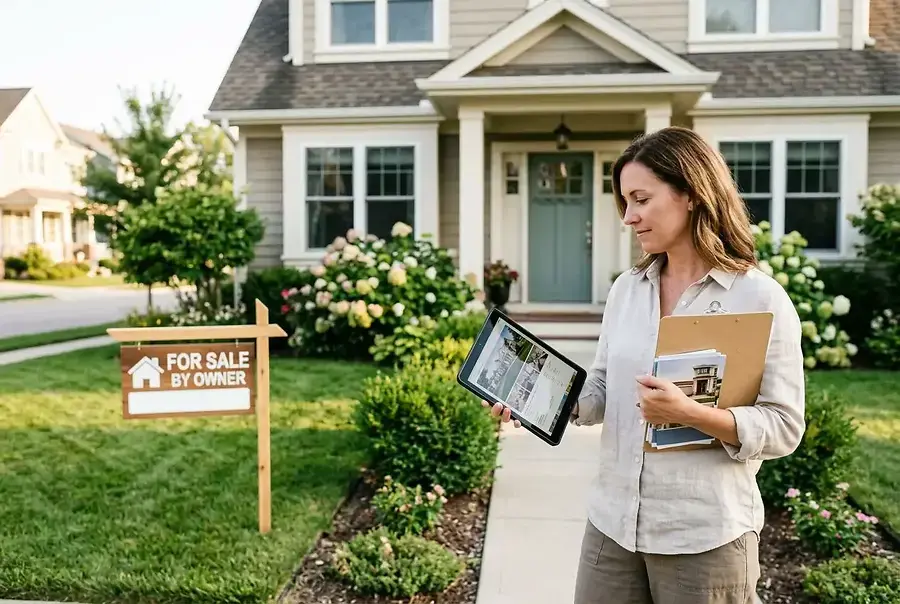
Understanding the For-Sale-By-Owner Process and Legal Requirements
Selling your home without a real estate agent, commonly known as a for-sale-by-owner (FSBO) transaction, can save you significant commission fees. However, it requires careful attention to legal requirements and proper documentation. Before listing your property, familiarize yourself with local real estate laws, disclosure requirements, and contract regulations in your area.
Each state and municipality has specific rules governing residential property sales. You'll need to understand:
- Disclosure requirements: Most jurisdictions mandate that sellers disclose known defects and property conditions to potential buyers
- Contract forms: Using legally compliant purchase agreements is essential to protect your interests
- Title transfer procedures: Understanding how to properly transfer ownership is crucial for a smooth closing
- Inspection and appraisal processes: Knowing what buyers may request helps you prepare accordingly
Consider consulting with a real estate attorney to review your local requirements and ensure all documents comply with state and local laws. This investment upfront can prevent costly legal issues later.
Pricing Your Home Accurately Without Professional Appraisal Services
One of the most critical decisions in selling your home is setting the right price. Overpricing can deter buyers, while underpricing leaves money on the table. Without a professional appraiser, you'll need to conduct thorough market research.
Conducting Comparative Market Analysis
Start by analyzing recently sold homes in your neighborhood with similar characteristics. Look for properties that match your home's:
- Square footage and lot size
- Age and condition
- Number of bedrooms and bathrooms
- Special features and upgrades
Online real estate platforms provide valuable data on comparable sales, current listings, and market trends. Spend time researching these resources to understand your local market dynamics.
Accounting for Your Home's Unique Features
Consider factors that may increase or decrease your home's value. Positive features include recent renovations, energy-efficient upgrades, and desirable location characteristics. Negative factors might include deferred maintenance, outdated systems, or proximity to less desirable areas.
Setting the right price is fundamental to attracting serious buyers and achieving a successful sale. Take time to research thoroughly and be realistic about your property's condition and market position.
Marketing Your Property and Handling Buyer Inquiries Effectively
Effective marketing is essential for reaching potential buyers when you're selling without an agent. You'll need to create compelling listings and utilize multiple channels to maximize exposure.
Creating an Attractive Property Listing
Your listing should include:
- High-quality photographs: Professional photos from multiple angles and in good lighting are crucial
- Detailed description: Highlight key features, recent improvements, and neighborhood amenities
- Accurate specifications: Include square footage, lot size, year built, and other relevant details
- Virtual tours: Consider offering 3D tours or video walkthroughs to attract more viewers
Utilizing Multiple Marketing Channels
Don't rely on a single platform. List your property on popular real estate websites, social media platforms, and local community boards. Consider creating a dedicated website or landing page for your property to provide interested buyers with comprehensive information.
Managing Buyer Inquiries and Showings
Be prepared to respond promptly to inquiries and schedule showings at convenient times. Keep detailed records of all interested buyers and their contact information. When showing your home, ensure it's clean, well-organized, and highlights its best features. First impressions matter significantly in real estate transactions.
Establish clear communication protocols and be professional in all interactions. Answer questions honestly and provide additional information when requested. This builds trust and credibility with potential buyers.
Navigating Closing Documents and Finalizing the Sale
The closing process involves substantial paperwork and legal requirements. Understanding these documents is essential to protect your interests and ensure a smooth transaction.
Essential Closing Documents
Key documents you'll encounter include:
- Purchase agreement: The binding contract between you and the buyer
- Disclosure forms: Required documentation about property condition and known issues
- Title documents: Proof of ownership and title transfer paperwork
- Closing statement: A detailed accounting of all financial transactions
- Deed: The legal document transferring ownership to the buyer
Working with a Title Company or Attorney
While you're handling the sale independently, using a title company or real estate attorney for closing is highly recommended. They can:
- Conduct title searches to ensure clear ownership
- Prepare and review all closing documents
- Coordinate with the buyer's lender and insurance company
- Handle fund transfers and ensure proper recording of the deed
Final Preparations Before Closing
Before closing day, ensure all agreed-upon repairs have been completed, utilities are in order, and you've gathered all necessary documentation. Conduct a final walkthrough with the buyer to confirm the property's condition matches the purchase agreement.
Be prepared for closing costs, which typically include title insurance, attorney fees, recording fees, and transfer taxes. These costs vary by location but generally range from 1-3% of the sale price. Understanding these expenses helps you set realistic expectations for your net proceeds.
Post-Closing Responsibilities
After closing, ensure the deed is properly recorded with your local government office. Provide the buyer with all keys, access codes, warranties, and documentation for home systems and appliances. Maintain clear records of the transaction for your tax and personal records.
Selling your home without an agent requires dedication, research, and attention to detail. By understanding the legal requirements, pricing your property accurately, marketing effectively, and navigating the closing process carefully, you can successfully complete your FSBO sale while potentially saving thousands in commission fees.