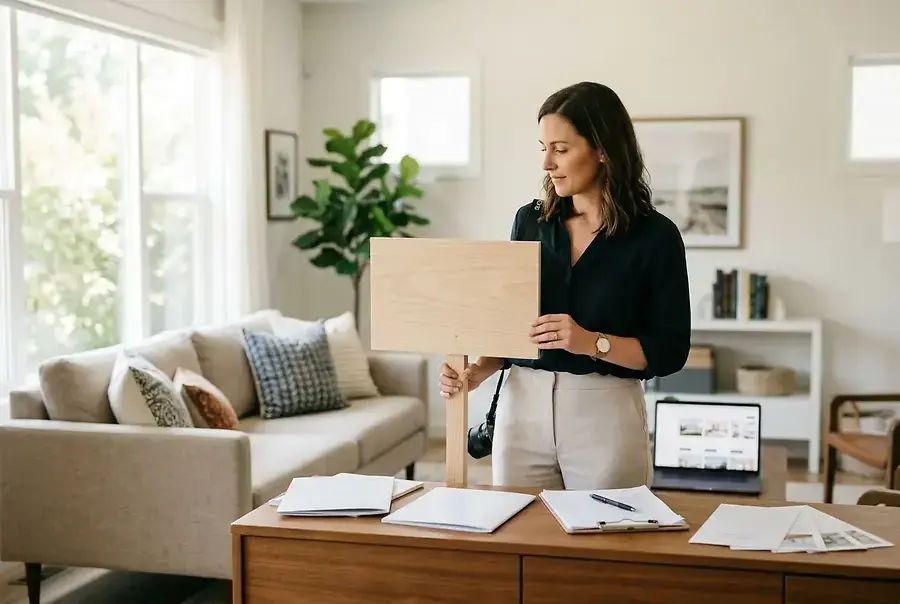
Understanding the For-Sale-By-Owner (FSBO) Landscape
Selling your home without a real estate agent, known as for-sale-by-owner (FSBO), can save you thousands in commission fees. However, this approach requires significant time, effort, and knowledge of the real estate market. Before deciding to go solo, it's crucial to understand both the advantages and challenges of selling independently.
The primary benefit of FSBO is financial—you avoid paying the typical 5-6% commission split between buyer and seller agents. For a $400,000 home, this could mean saving $20,000 or more. However, this savings comes with substantial responsibilities. You'll need to handle pricing, marketing, showings, negotiations, and legal documentation yourself.
Success in FSBO sales depends on your willingness to invest time, your understanding of your local market, and your ability to remain objective about your property's value and condition.
Pricing Your Home Correctly Without Professional Appraisal
Research Comparable Properties
Accurate pricing is the foundation of a successful FSBO sale. Start by researching comparable properties (comps) in your neighborhood that have sold recently. Look for homes similar in size, age, condition, and location that closed within the last 3-6 months.
Use online resources such as:
- Zillow, Redfin, and Trulia for market data
- County assessor records for property details
- MLS databases (some allow public access)
- Local real estate websites and publications
Factor in Market Conditions
Consider whether you're in a buyer's market (more inventory, lower prices) or seller's market (less inventory, higher prices). Adjust your pricing strategy accordingly. In a buyer's market, competitive pricing is essential; in a seller's market, you have more flexibility.
Get a Professional Appraisal
While optional, hiring a professional appraiser ($300-500) provides objective valuation and strengthens your credibility with potential buyers. This investment often pays for itself by helping you price competitively and avoid leaving money on the table.
Marketing, Showings, and Negotiating Offers on Your Own
Create Compelling Marketing Materials
Professional marketing is critical for attracting qualified buyers. Invest in:
- High-quality photography—Consider hiring a professional photographer ($200-400) for better results than smartphone photos
- Virtual tours and video walkthroughs—These significantly increase buyer interest
- Detailed property descriptions—Highlight unique features, recent upgrades, and neighborhood amenities
- Online listings—Post on Zillow, Redfin, Facebook Marketplace, and Craigslist
Manage Showings Professionally
Prepare your home for showings by decluttering, deep cleaning, and staging key areas. Establish clear showing procedures: require advance notice, set specific time windows, and consider using a lockbox for convenience. Keep detailed records of all showings and buyer feedback.
Negotiate Offers Strategically
When offers arrive, evaluate them carefully beyond just the price. Consider:
- Contingencies (inspection, appraisal, financing)
- Closing timeline and flexibility
- Earnest money deposit amount
- Buyer's financial pre-approval status
Remain objective and professional during negotiations. Don't take offers personally, and be prepared to walk away from deals that don't meet your needs. Consider consulting with a real estate attorney for guidance on complex negotiations.
Legal Documents, Inspections, and Closing the Sale Successfully
Handle Required Disclosures
Every state requires sellers to disclose known defects and property conditions. Failing to disclose can result in legal liability and costly lawsuits. Provide buyers with:
- Property condition disclosure forms
- Lead-based paint disclosures (for homes built before 1978)
- HOA documents (if applicable)
- Utility and maintenance records
Prepare for Home Inspections
Most buyers will request a professional home inspection. Be transparent about your home's condition and address any obvious issues beforehand. While you're not required to make repairs, fixing minor issues can prevent deal-killing inspection reports.
Coordinate Closing Documents
Closing involves substantial paperwork. Hire a title company or real estate attorney to handle the closing process—this is not an area to cut corners. They'll prepare the deed, coordinate with the buyer's lender, and ensure all documents are properly executed.
Key closing documents include:
- Deed and title transfer documents
- Closing disclosure statement
- Settlement statement
- Proof of homeowner's insurance
Conclusion: When to Sell Solo and When to Call an Agent
Selling your home without an agent is possible and can save significant money, but it's not right for everyone. Consider FSBO if:
- You have time to dedicate to the process
- Your home is in a desirable, easy-to-sell location
- You're comfortable with negotiations and marketing
- Your local market is straightforward without complex issues
Consider hiring an agent if:
- Your home has unique features or challenges
- You're in a slow or competitive market
- You lack confidence in pricing or negotiating
- You don't have time for the extensive work involved
Ultimately, the decision depends on your specific situation, market conditions, and comfort level. Whatever you choose, prioritize accuracy in pricing, professionalism in marketing, and expert guidance on legal matters. These investments protect your interests and maximize your home's sale price.