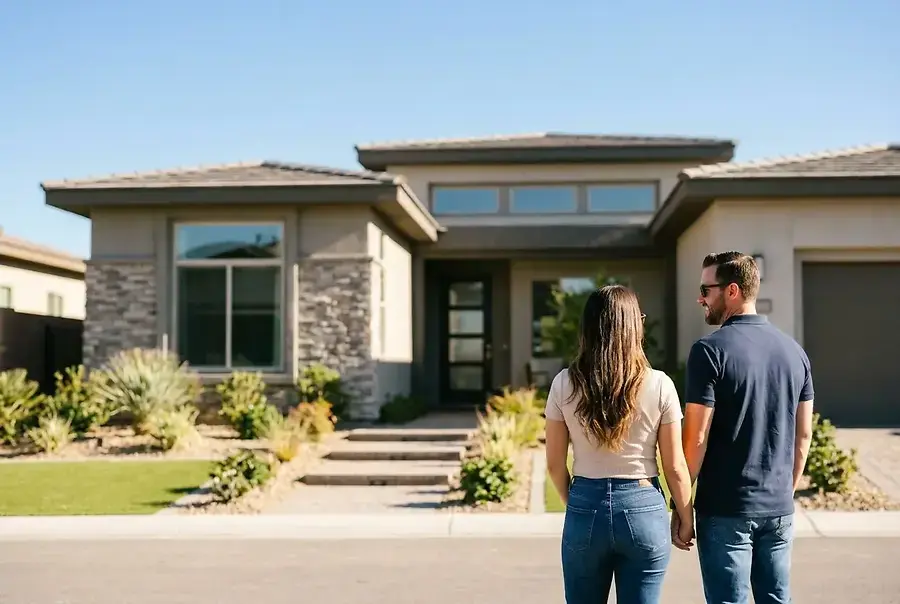
Understanding the Current Las Vegas Residential Market
The Las Vegas real estate market continues to evolve with dynamic shifts in buyer preferences and property values. Before listing your home, it's crucial to understand the current landscape and what drives demand in your specific neighborhood.
Market Trends and Buyer Behavior
Today's Las Vegas buyers are more informed than ever. They're looking for homes that offer value, modern amenities, and energy efficiency. The market has seen increased competition, which means your home needs to stand out. Research recent sales in your neighborhood to understand pricing trends and what features buyers prioritize most.
Key factors influencing the market include:
- Population growth and migration patterns to Las Vegas
- Interest rates and financing availability
- Neighborhood desirability and proximity to amenities
- School district ratings and quality
- Employment opportunities in the area
Competitive Analysis
Analyze comparable properties (comps) in your area that have sold recently. Look at their selling prices, days on market, and what features added value. This data will help you position your home competitively and set realistic expectations for your sale.
Preparing Your Home for Sale: Inspection and Repairs
First impressions matter tremendously in real estate. A well-maintained home attracts serious buyers and commands higher offers. Start by addressing any issues that could derail a sale or reduce your home's value.
Professional Home Inspection
Before listing, invest in a professional home inspection. This proactive approach identifies problems before potential buyers discover them. You'll have the opportunity to address issues, negotiate repairs, or adjust your asking price accordingly. Common areas of concern include:
- HVAC system functionality and age
- Roof condition and remaining lifespan
- Plumbing and electrical systems
- Foundation integrity
- Water damage or mold issues
Strategic Repairs and Updates
Focus on high-impact improvements that deliver the best return on investment. You don't need to renovate everything, but addressing critical repairs is essential. Prioritize:
- Fixing any safety hazards immediately
- Updating outdated electrical or plumbing systems
- Repairing or replacing damaged roofing
- Fresh paint in neutral colors
- Landscaping and curb appeal enhancements
Home Staging and Presentation
Staging your home helps buyers envision themselves living there. Declutter spaces, remove personal items, and arrange furniture to highlight room functionality. Clean thoroughly—a spotless home suggests proper maintenance and care. Consider professional staging services for maximum impact.
Pricing Strategy and Marketing Your Property Effectively
Pricing is one of the most critical decisions in selling your home. Price too high, and you'll struggle to attract buyers. Price too low, and you'll leave money on the table.
Determining the Right Price
Work with a knowledgeable real estate agent to conduct a comprehensive comparative market analysis. Your agent should evaluate:
- Recent sales of similar properties in your neighborhood
- Current inventory levels and market conditions
- Days on market for comparable homes
- Unique features that add or subtract value
- Market absorption rates
Pricing strategically from day one attracts serious buyers and generates momentum. Homes priced right typically sell faster and for better prices than overpriced properties that languish on the market.
Effective Marketing Strategies
In today's digital-first world, your online presence is paramount. Ensure your listing includes:
- High-quality professional photography from multiple angles
- Virtual tours or 3D walkthroughs
- Detailed property descriptions highlighting key features
- Information about neighborhood amenities and schools
- Energy efficiency ratings and utility cost estimates
Multi-channel marketing reaches the widest audience. Your listing should appear on major real estate platforms, social media, and targeted advertising campaigns. Consider hosting open houses and scheduling private showings to generate interest and offers.
Building Buyer Interest
Create urgency through strategic marketing. Highlight unique selling points, recent upgrades, and special features. Share testimonials from previous buyers or neighbors. Use storytelling to help potential buyers emotionally connect with your home.
Closing the Deal: Negotiation and Final Steps
Once offers start coming in, the real negotiation begins. How you handle this phase can significantly impact your final sale price and terms.
Evaluating and Negotiating Offers
Don't focus solely on price. Consider the entire offer package including:
- Earnest money deposit amount
- Contingencies (inspection, appraisal, financing)
- Proposed closing timeline
- Buyer's financial strength and pre-approval status
- Requested repairs or concessions
A slightly lower offer with fewer contingencies might be preferable to a higher offer with multiple conditions. Your real estate agent can help you evaluate which offer truly maximizes your value.
Inspection and Appraisal Process
Once an offer is accepted, the buyer will typically conduct their own inspection and order an appraisal. Be prepared to address inspection findings professionally. If the appraisal comes in lower than the agreed price, you may need to negotiate further or allow the buyer to request repairs.
Final Walkthrough and Closing
The final walkthrough is your last opportunity to ensure the home is in the agreed-upon condition and all promised repairs have been completed.
Review the closing disclosure carefully to ensure all terms match your agreement. Coordinate with your title company and real estate agent to ensure a smooth closing process. Prepare all necessary documents and be ready to sign at closing.
Post-Sale Considerations
After closing, ensure proper transfer of utilities, mail forwarding, and any warranties or service agreements. Provide the new owners with documentation for all systems and appliances. A smooth handoff builds goodwill and protects you from future liability.
Selling your Las Vegas home successfully requires preparation, strategic pricing, effective marketing, and skilled negotiation. By following these essential steps and working with experienced professionals, you'll be well-positioned to maximize your home's value and achieve a successful sale in today's competitive market.