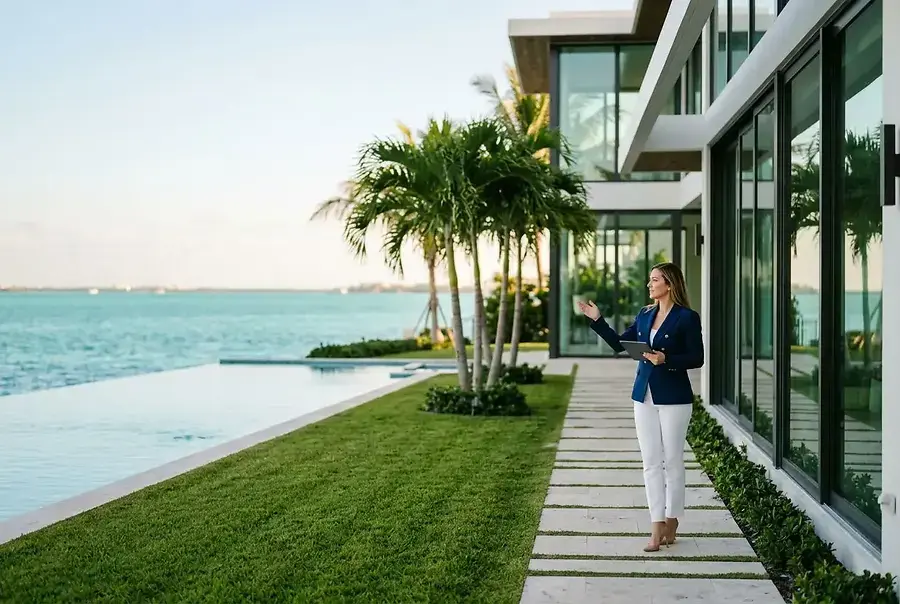
Why Pricing Is Critical in Miami's Competitive Market
Pricing your Miami home correctly is one of the most important decisions you'll make as a seller. The Miami real estate market is highly competitive, with properties ranging from modest single-family homes to luxury waterfront estates. Getting the price right from day one can mean the difference between a quick sale and months of waiting on the market.
Many sellers make the mistake of overpricing their homes, hoping to negotiate down with buyers. However, in today's market, this strategy often backfires. Overpriced homes sit longer on the market, attract fewer qualified buyers, and ultimately sell for less than they would have if priced correctly from the start. Conversely, underpricing leaves money on the table and can raise red flags for potential buyers.
The key is finding that sweet spot—a price that reflects your home's true market value while remaining attractive to serious buyers. This requires data, strategy, and a deep understanding of Miami's unique real estate landscape.
Comparative Market Analysis: Understanding Miami's Recent Sales Data
What Is a Comparative Market Analysis?
A Comparative Market Analysis (CMA) is the foundation of any smart pricing strategy. This analysis examines recently sold properties in your neighborhood that are similar to yours in size, condition, age, and amenities. By comparing your home to these "comps," you can determine a realistic market value.
Key Factors to Consider
When analyzing comparable properties, focus on these critical elements:
- Location and Neighborhood: Properties in Coral Gables, Brickell, or Wynwood command different prices than those in other Miami areas. Proximity to beaches, schools, and employment centers matters significantly.
- Property Size and Layout: Square footage, number of bedrooms and bathrooms, and floor plan efficiency all impact value. A 2,000 sq ft home with an open layout may sell for more than a 2,000 sq ft home with a compartmentalized design.
- Condition and Age: Recently renovated homes typically sell for more than those needing updates. Newer construction often commands premium prices compared to older properties.
- Special Features: Pool, waterfront access, smart home technology, and outdoor living spaces add significant value in Miami's climate.
- Days on Market: How quickly comparable homes sold indicates market demand. Homes selling in 15 days versus 45 days suggest different pricing strategies.
Using Data to Your Advantage
Real estate professionals have access to the Multiple Listing Service (MLS), which provides detailed information about recent sales, pending listings, and active properties. This data is invaluable for determining your home's competitive position. Look for homes that sold within the last 90 days—older sales data becomes less relevant as market conditions change.
Positioning Your Price: Psychological Pricing and Strategic Timing
The Psychology of Price Points
Buyers often search for homes within specific price ranges. A home priced at $499,999 will appear in searches for homes under $500,000, while a home priced at $500,001 will not. This seemingly small difference can significantly impact your buyer pool.
Similarly, prices ending in 9 (like $549,999) create a psychological perception of value. Buyers perceive this price as substantially lower than $550,000, even though the difference is minimal. Strategic use of these price points can make your home more attractive to potential buyers browsing online listings.
The Power of Strategic Timing
Timing your listing and pricing strategy matters.
Spring and early summer typically see increased buyer activity in Miami, as families prefer to move before the school year begins and before hurricane season peaks.During these high-demand periods, you may be able to command higher prices.
However, don't assume that slower seasons mean lower prices are necessary. Serious buyers shopping during off-peak times are often highly motivated and less price-sensitive. The key is understanding current market conditions and adjusting your strategy accordingly.
Pricing for Quick Sales
If your goal is a fast sale, consider pricing slightly below market value. A home priced at 95-97% of market value often generates multiple offers and competitive bidding, ultimately resulting in a higher final sale price. This strategy creates urgency and excitement among buyers.
Premium Pricing for Luxury Properties
For high-end Miami properties, pricing strategy becomes more nuanced. Luxury buyers are often less price-sensitive but more quality-conscious. These properties may benefit from premium pricing that reflects their unique features, location, and exclusivity. However, even luxury homes must be priced within a defensible range based on comparable sales.
Implementing Your Pricing Strategy for Success
Work with a Real Estate Professional
While online valuation tools provide estimates, they cannot replace the expertise of a local real estate agent. A Miami-based real estate professional understands neighborhood nuances, recent market shifts, and buyer preferences that generic tools miss. They can provide a detailed CMA and recommend a pricing strategy tailored to your specific situation.
Be Prepared to Adjust
Pricing isn't set in stone. If your home doesn't generate interest after two weeks on the market, it may be overpriced. Be willing to adjust your price based on market feedback. Conversely, if you receive multiple offers immediately, you may have priced too low.
Monitor the Competition
Keep an eye on new listings in your neighborhood. If similar homes list at lower prices, you may need to adjust. Conversely, if comparable homes sell quickly at higher prices, you have room to increase your asking price.
Consider the Total Picture
Price is just one factor in a successful sale. A well-priced home that's professionally marketed, staged, and photographed will outperform an overpriced home every time. Invest in quality marketing alongside strategic pricing for maximum results.
Conclusion: Implementing Your Pricing Strategy for Success
Selling your Miami home successfully requires more than hope—it demands strategy, data, and expertise. By conducting a thorough comparative market analysis, understanding psychological pricing principles, and timing your listing strategically, you position yourself for maximum profit and a faster sale.
Remember: the best price is one that attracts qualified buyers, generates competition, and reflects your home's true market value. Work with experienced professionals, stay flexible, and trust the process. With the right pricing strategy, your Miami home will find its ideal buyer and close on your terms.