Understanding Saint Augustine's Rapid Growth and What It Means for Home Buyers
Saint Augustine and the surrounding communities of St. Johns County continue to experience significant residential growth. New subdivisions, apartment communities, and commercial developments are expanding throughout the region as more families and retirees relocate to Northeast Florida.While this growth creates exciting opportunities for buyers, it also presents new challenges. Many homes are being built at an accelerated pace to meet demand. Although these properties may satisfy current building codes and municipal requirements, speed of construction does not always translate to quality workmanship. For today's buyers, understanding a home's condition and functionality is just as important as location, square footage, or curb appeal.
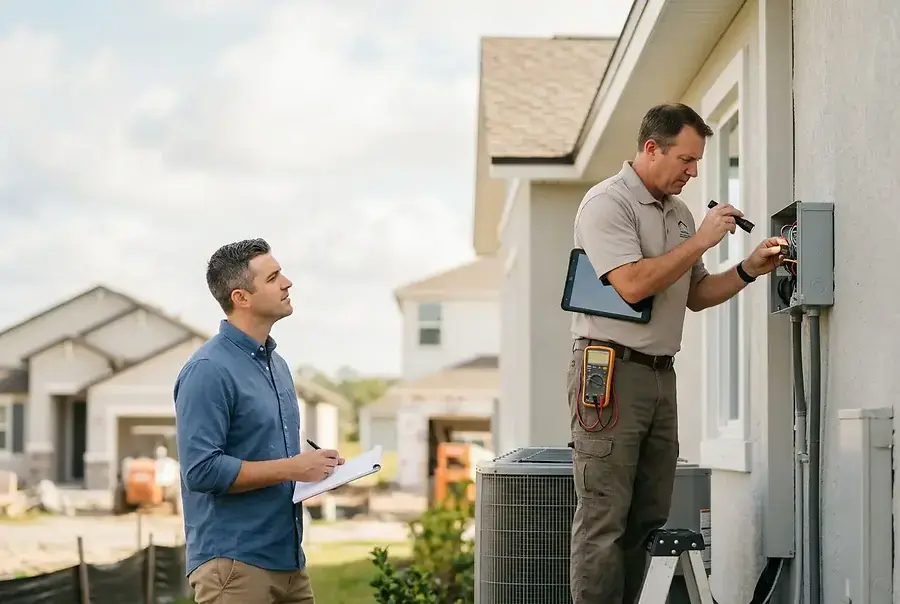
As a Licensed Home Inspector, Matthew Mungal, with Trinity Home Inspections, focus is helping clients evaluate how a home actually performs before a sale is finalized. Whether a property is newly constructed or decades old, a professional inspection can uncover issues that may not be visible during a typical showing.
Why Home Inspections Matter More Than Ever
Fast Construction Doesn't Always Mean Better Construction
Many buyers assume a new home is free from defects simply because it was recently built. In reality, some of the most significant findings occur in newer homes.
As builders work to keep pace with growing demand, construction schedules are often compressed. Multiple subcontractors may be working simultaneously, creating opportunities for overlooked details, incomplete installations, or workmanship deficiencies.
Common concerns found in newer homes include:
- Improperly installed roofing components
- HVAC performance issues
- Inadequate attic ventilation
- Plumbing deficiencies
- Electrical installation concerns
- Moisture intrusion points
- Poor grading and drainage
- Incomplete insulation
These issues may not be immediately obvious but can become costly over time if left unaddressed.
Building Codes Are Minimum Standards
One of the biggest misconceptions among home buyers is that passing a code inspection guarantees a high-quality home.
Building codes establish minimum safety and construction standards. A home may fully comply with code requirements while still exhibiting workmanship concerns, maintenance issues, or installation defects that affect long-term performance.
A comprehensive home inspection focuses on evaluating the overall condition and functionality of the property's major systems rather than simply determining whether it meets code requirements.
Key Areas Buyers Should Evaluate Before Purchasing
Roofing and Exterior Systems
Florida's climate places significant demands on roofing systems. Buyers should understand the age, condition, and expected lifespan of roofing materials before moving forward with a purchase.
Exterior evaluations often include:
- Roof condition
- Flashing integrity
- Drainage performance
- Siding and exterior finishes
- Window and door functionality
- Foundation observations
Even minor deficiencies can lead to moisture intrusion and expensive repairs if not identified early.
Mechanical Systems and Home Functionality
The systems behind the walls often represent the largest repair expenses homeowners face.
A thorough inspection helps evaluate:
- Heating and cooling performance
- Electrical systems
- Plumbing systems
- Water heater operation
- Ventilation components
- Safety devices and controls
Understanding the condition of these systems provides buyers with a clearer picture of future maintenance obligations and ownership costs.
Structural and Safety Considerations
Every buyer wants confidence that a home is safe and functioning as intended.
Inspection findings may identify concerns involving:
- Structural movement indicators
- Foundation conditions
- Framing concerns
- Moisture-related damage
- Safety hazards
- Deferred maintenance items
Addressing these issues before closing helps buyers make informed decisions and negotiate repairs when appropriate.
Warranty Inspections: An Overlooked Opportunity for Homeowners
Many newly constructed homes include builder warranty coverage, yet homeowners often fail to schedule an inspection before the warranty period expires.
A warranty inspection is typically performed near the end of the builder's warranty period and can identify conditions that developed after occupancy.
These inspections frequently uncover:
- Settlement-related concerns
- Drywall cracking
- Drainage problems
- HVAC deficiencies
- Roofing concerns
- Plumbing issues
- Cosmetic and workmanship defects
Identifying these items before warranty expiration may allow homeowners to request corrective action from the builder rather than paying for repairs themselves.
Preparing for a Successful Home Purchase
Questions Every Buyer Should Ask
Before purchasing any property, buyers should consider:
- How old are the major systems?
- Has the home experienced prior water intrusion?
- Are there signs of deferred maintenance?
- Were previous repairs completed properly?
- Does the home's condition match its asking price?
A professional inspection provides objective information that helps answer these questions and supports more confident purchasing decisions.
Looking Beyond Cosmetic Appeal
Fresh paint, updated finishes, and attractive staging can create a strong first impression. However, the true condition of a home is determined by the systems and components buyers cannot easily see.
A home should be evaluated based on functionality, performance, and overall condition—not simply appearance.
Final Thoughts
Saint Augustine and St. Johns County remain among Florida's most desirable places to live. Continued growth is creating opportunities for buyers, but it also makes due diligence more important than ever.
Whether evaluating a newly constructed home, an established residence, or a property approaching the end of its builder warranty, a professional home inspection provides valuable insight into the condition of the home and potential future expenses.
The goal is not to determine whether a home is perfect. The goal is to provide buyers with the information they need to make informed decisions, understand potential risks, and move forward with confidence.
When it comes to purchasing a home, what you don't see can be just as important as what you do.