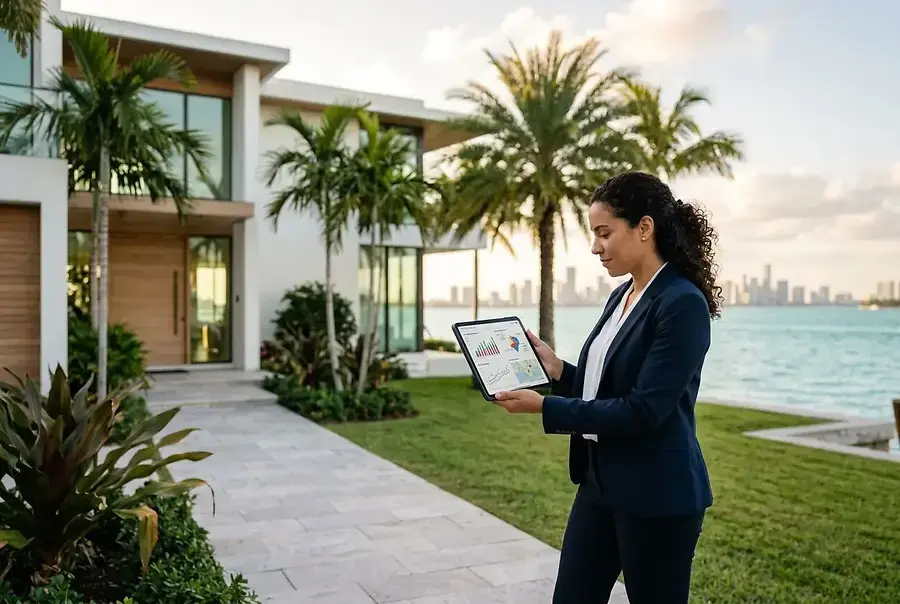
Understanding Your Home's Market Value in South Florida's Diverse Markets
South Florida's real estate market is as diverse as its population, with neighborhoods ranging from luxury waterfront properties in Miami Beach to family-friendly communities in Broward County. Understanding your home's true market value is the foundation of any successful sale. The region's market dynamics are influenced by factors such as proximity to the ocean, school district ratings, local amenities, and overall neighborhood desirability.
Your home's value isn't determined by what you paid for it or what you think it's worth—it's determined by what buyers are willing to pay in the current market. This is why professional appraisals and market assessments are crucial. Consider hiring a licensed appraiser who understands South Florida's unique market conditions. They'll evaluate your property's condition, square footage, lot size, and special features to provide an objective valuation.
Beyond the physical characteristics, location plays a pivotal role in South Florida pricing. A property in a highly sought-after neighborhood with excellent schools and low crime rates will command a premium compared to similar homes in less desirable areas. Additionally, factors like flood risk, HOA fees, and property taxes can significantly impact buyer perception and your home's market value.
Comparative Market Analysis: What Similar Homes Are Selling For
Gathering Data on Recent Sales
A Comparative Market Analysis (CMA) is your roadmap to pricing success. This analysis examines recently sold properties that are similar to yours in terms of size, condition, location, and amenities. Look for homes that have sold within the last three to six months in your specific neighborhood or comparable areas.
Key data points to analyze include:
- Sale Price: The actual price homes sold for, not the listing price
- Days on Market: How long properties took to sell
- Price Per Square Foot: A standardized metric for comparing properties
- Condition and Updates: How renovations and upgrades affect value
- Special Features: Pool, waterfront access, or smart home technology
Identifying Your Competition
Don't just look at sold properties—examine homes currently on the market in your area. These are your direct competitors for buyer attention. If similar homes are priced significantly higher than recent sales, they may be overpriced and sitting on the market longer. Conversely, if comparable homes are priced lower, you'll need to understand why before setting your price.
Pay attention to homes that have been listed for extended periods. These "stale" listings often indicate overpricing and can negatively impact buyer perception of the entire neighborhood. Your goal is to price competitively while avoiding the stigma of being on the market too long.
Strategic Pricing Tactics to Attract Quality Buyers and Minimize Days on Market
The Psychology of Pricing
Pricing psychology plays a significant role in buyer behavior. A home priced at $499,900 feels substantially different from one priced at $525,000, even though the difference is only about 5%. Buyers often search within specific price ranges, and strategic pricing can position your home at the top of a lower bracket, attracting more potential buyers.
Consider these psychological pricing strategies:
- Price just below round numbers (e.g., $549,900 instead of $550,000)
- Use prices ending in 9 to create a perception of value
- Avoid prices that suggest desperation or overvaluation
The Importance of Competitive Pricing
Overpricing is one of the most common mistakes sellers make. While it's tempting to list high and negotiate down, this strategy often backfires in South Florida's market. Overpriced homes attract fewer showings, spend more time on the market, and ultimately sell for less than properly priced homes. Buyers and their agents quickly identify overpriced properties, and word spreads fast.
Conversely, underpricing leaves money on the table. The sweet spot is pricing your home competitively based on current market data while accounting for your property's unique features and condition. A skilled real estate agent can help you navigate this balance.
Timing and Market Conditions
South Florida's real estate market experiences seasonal fluctuations. Winter months typically see increased buyer activity as people escape colder climates, while summer can be slower. However, serious buyers are active year-round, and pricing correctly matters more than timing the perfect season.
Monitor market trends in your specific area. Is inventory increasing or decreasing? Are homes selling faster or slower than average? Are prices trending upward or downward? These indicators help you price strategically and adjust your strategy if needed.
Presentation and Value Enhancement
Strategic pricing goes hand-in-hand with property presentation. A well-maintained, beautifully staged home justifies premium pricing. Conversely, a home with deferred maintenance may need to be priced lower to account for buyer concerns about future repairs.
Enhance your home's perceived value through:
- Professional staging and decluttering
- Fresh paint in neutral colors
- Landscaping and curb appeal improvements
- Highlighting recent upgrades and renovations
- Professional photography and virtual tours
Flexibility and Adjustment
Your initial price isn't set in stone. Monitor your home's performance on the market. If you're receiving multiple offers within the first week, you may be underpriced. If showings are sparse after two weeks, reconsider your pricing strategy. The market provides real-time feedback—be willing to adjust based on buyer response.
Some sellers use strategic price reductions to generate renewed interest. A well-timed price drop can trigger new buyer searches and reignite marketing momentum, especially if your home has been on the market for several weeks.
Conclusion: Positioning Your Property for Success
Selling your South Florida home successfully requires more than just listing it—it demands a strategic approach to pricing. By understanding your home's market value, conducting thorough comparative market analysis, and implementing smart pricing tactics, you position yourself for a faster sale and better financial outcome.
Remember that pricing is both an art and a science. While data and analysis provide the foundation, market psychology and strategic positioning add the finishing touches. Work with an experienced real estate professional who understands South Florida's diverse markets and can guide you through the pricing process.
The goal isn't to get the highest possible listing price—it's to attract serious, qualified buyers and close the sale efficiently. When you price your home right from the start, you create momentum, generate buyer interest, and ultimately achieve better results. In today's competitive market, strategic pricing isn't just an option; it's essential to success.