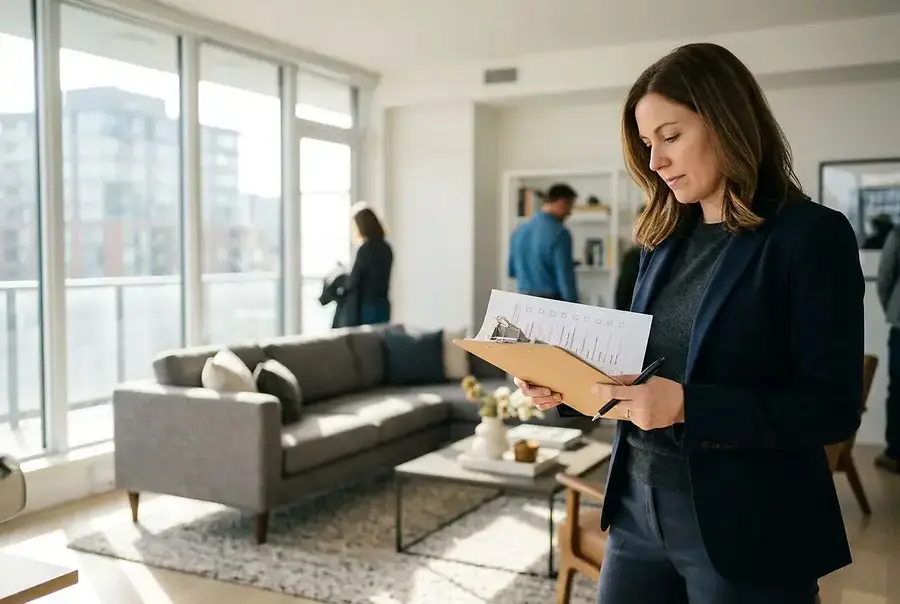
The Strategic Approach to Open House Visits
Touring open houses can be an exciting yet overwhelming experience for home buyers. Whether you're a first-time buyer or an experienced investor, having a strategic approach transforms casual browsing into a purposeful search. The key to finding your ideal property lies not just in what you see, but in how thoroughly you evaluate each home.
Before stepping foot in any open house, prepare yourself with a checklist and a clear understanding of your priorities. Are you looking for a move-in ready property, or are you willing to invest in renovations? Do you need specific square footage, room configurations, or outdoor space? Knowing your non-negotiables helps you focus your attention on properties that truly align with your goals.
Arrive early to avoid crowds and take your time exploring. Bring a notebook, camera, and measuring tape. Take photos of rooms, layouts, and any notable features. These details become invaluable when comparing multiple properties later.
Key Features and Systems to Inspect During Your Tour
Foundation and Structural Integrity
The foundation is the backbone of any home. Look for cracks in the basement or crawl space walls, uneven floors, or doors that don't close properly. These could indicate settling issues or more serious structural problems. Walk through the home slowly, paying attention to sloping floors or visible gaps between walls and ceilings.
Roof and Exterior Condition
Ask the agent about the roof's age and condition. If possible, look at it from the ground or ask about recent inspections. Check the exterior for:
- Missing or damaged shingles
- Sagging gutters or downspouts
- Rotting wood or siding damage
- Cracks in the foundation or chimney
- Signs of water damage or mold
Plumbing and Water Systems
Turn on faucets in multiple bathrooms and the kitchen. Check water pressure and temperature consistency. Look under sinks for signs of leaks or water damage. Ask about the age of the water heater and plumbing system. Older homes may have outdated pipes that could require expensive replacement.
Electrical Systems
Observe the electrical panel and ask about its capacity. Modern homes should have adequate breakers for current electrical demands. Look for any signs of burned outlets, flickering lights, or outdated wiring. If the home still has aluminum wiring, this is a potential safety concern worth investigating further.
HVAC and Climate Control
Ask about the age and condition of the heating and cooling systems. Test the thermostat in different rooms to ensure even temperature distribution. A failing HVAC system can be one of the most expensive repairs, so understanding its condition is crucial.
Kitchen and Appliances
The kitchen is often a home's centerpiece. Evaluate the layout, storage space, and counter space. Check appliance age and condition. Ask which appliances are included in the sale. Look for signs of water damage around the sink and dishwasher areas.
Bathrooms and Moisture Issues
Bathrooms reveal a lot about a home's maintenance. Check for:
- Mold or mildew in corners and around fixtures
- Water stains on ceilings or walls
- Loose or cracked tiles
- Proper ventilation and exhaust fans
- Caulking condition around tubs and showers
Windows and Doors
Open and close windows and doors to ensure they operate smoothly. Look for broken seals, condensation between panes, or drafts. Check weatherstripping and caulking. These issues affect energy efficiency and comfort.
Red Flags and Warning Signs That Require Further Investigation
Water Damage and Moisture Problems
Water damage is a serious concern that can lead to mold, structural decay, and expensive repairs. Look for water stains on ceilings, walls, or in basements. Musty odors are a red flag indicating potential moisture issues. Don't ignore these signs—they often indicate larger problems lurking behind walls.
Pest Infestations
Evidence of termites, rodents, or insects should concern you. Look for droppings, dead insects, or damage to wood structures. Pest infestations can compromise structural integrity and require professional treatment.
Outdated or Failing Systems
Homes with original plumbing, electrical, or HVAC systems from decades ago may require significant upgrades. While older doesn't always mean bad, systems nearing the end of their lifespan represent future expenses you should factor into your offer.
Poor Maintenance and Neglect
Peeling paint, overgrown landscaping, and general disrepair suggest the home hasn't been well-maintained. This often indicates hidden problems that may not be immediately visible. A well-maintained home typically reflects responsible ownership and fewer surprises during inspection.
Neighborhood and Location Concerns
Visit the neighborhood at different times of day. Check proximity to schools, shopping, and highways. Assess noise levels, traffic patterns, and the overall condition of surrounding properties. These factors significantly impact your quality of life and property value.
Unusual Odors
Pay attention to any strange smells. Musty odors suggest moisture problems, while other odors might indicate pet damage, smoke, or other issues.
A home should smell fresh and clean—unusual odors warrant investigation.
Making Confident Decisions After the Open House
After touring a property, take time to review your notes and photos. Compare it against other homes you've visited and your established criteria. Don't let emotions override your judgment—a beautiful home with serious structural issues isn't a good investment.
If a property interests you, hire a professional home inspector before making an offer. They'll identify issues you might have missed and provide a detailed report. This investment typically costs $300-500 but can save you thousands in unexpected repairs.
Trust your instincts. If something feels off, investigate further. The perfect home exists, and rushing into a decision on a property with red flags will only lead to regret and financial strain.
By approaching open house tours strategically and knowing what to look for, you'll make informed decisions that align with your needs and budget. Take your time, ask questions, and never settle for less than you deserve.