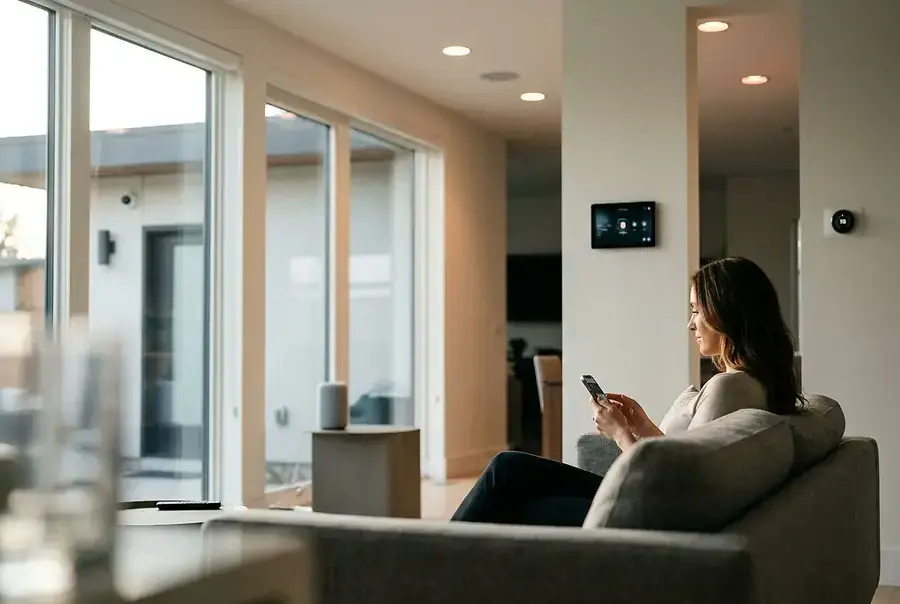
The Smart Home Advantage in Today's Market
The real estate landscape has fundamentally shifted. Today's homebuyers aren't just looking for a roof over their heads—they're seeking properties equipped with the latest smart home technology. Smart home features have become a major selling point, with many buyers willing to pay premium prices for homes that offer convenience, security, and energy efficiency.
The integration of intelligent systems into residential properties has moved from luxury to necessity. Homes equipped with smart technology are perceived as modern, efficient, and forward-thinking. This perception directly translates to increased property values and faster sales. Whether you're planning to sell soon or simply want to future-proof your investment, understanding which smart home upgrades deliver the best return on investment is essential.
The question isn't whether to invest in smart home technology—it's which features will give you the greatest advantage in the marketplace.
High-ROI Smart Home Investments: Technology Features Buyers Demand
Smart Security Systems
Security remains a top priority for homebuyers, and smart security systems are among the highest-ROI upgrades available. Modern security systems that include video doorbells, smart locks, and integrated surveillance cameras appeal to safety-conscious buyers.
- Video doorbell systems with cloud storage and mobile alerts
- Smart door locks with keyless entry and remote access
- Integrated alarm systems with professional monitoring
- Motion-activated outdoor lighting
These features not only enhance security but also provide convenience and peace of mind—qualities that resonate strongly with potential buyers.
Energy Management and Efficiency
In an era of rising utility costs, energy-efficient smart home systems are increasingly valuable. Buyers recognize that smart thermostats, automated lighting, and energy monitoring systems can significantly reduce monthly expenses.
- Programmable smart thermostats that learn user preferences
- Automated lighting systems with occupancy sensors
- Smart power strips and energy monitoring devices
- Integration with renewable energy sources like solar panels
Homes equipped with these systems often qualify for tax incentives and rebates, making them even more attractive to environmentally conscious and budget-minded buyers.
Home Automation and Convenience
The convenience factor cannot be overstated. Integrated home automation systems that control multiple devices from a single platform are highly desirable. Voice-activated assistants, automated blinds, and smart appliances create a seamless living experience.
- Voice-controlled smart home hubs
- Automated window treatments and blinds
- Smart kitchen appliances with remote monitoring
- Integrated entertainment systems
These features appeal to tech-savvy buyers and those seeking modern convenience in their daily lives.
Water Management Systems
Smart water management is an often-overlooked feature that can significantly impact property value. Leak detection systems and smart irrigation controls appeal to buyers concerned about water conservation and preventing costly damage.
- Smart leak detection and shut-off systems
- Automated irrigation systems with weather sensors
- Smart water heaters with remote temperature control
- Greywater recycling systems
These upgrades demonstrate environmental responsibility while protecting the property from water-related damage.
Installation Considerations and Budget Planning for Smart Upgrades
Prioritizing Your Investments
Not all smart home upgrades deliver equal returns. Focus on features that address common buyer concerns: security, energy efficiency, and convenience. Start with high-impact, lower-cost upgrades before investing in more expensive systems.
A strategic approach involves:
- Installing smart security features first (highest buyer priority)
- Adding energy management systems next (long-term savings appeal)
- Implementing convenience features last (nice-to-have additions)
Professional Installation vs. DIY
While DIY installation can save money upfront, professional installation often provides better results and increases buyer confidence. Properly installed systems with warranties and documentation are more attractive to potential buyers than amateur setups.
"Buyers want to see that smart home systems are professionally installed and fully functional. Shoddy installations can actually decrease property value."
Compatibility and Future-Proofing
Choose systems that use widely-adopted standards and platforms to ensure compatibility and longevity. Avoid proprietary systems that may become obsolete or difficult to expand.
- Select devices compatible with major platforms (Apple HomeKit, Google Home, Amazon Alexa)
- Ensure systems can be easily expanded or updated
- Verify manufacturer support and regular software updates
- Document all systems and provide manuals to future owners
Budget Expectations
Smart home upgrades range from affordable to premium. A basic smart home setup can start around $2,000-$5,000, while comprehensive systems may exceed $15,000. The key is balancing investment with expected returns in your local market.
Research comparable homes in your area to understand what features command premium prices. In competitive markets, smart home features can increase property value by 3-5%, making them worthwhile investments.
Positioning Your Home as a Modern, Desirable Property
Smart home technology is no longer a novelty—it's an expectation among many homebuyers. By strategically investing in the right features, you're not just upgrading your home; you're positioning it as a modern, desirable property that commands premium prices.
The most successful approach combines:
- High-priority features that address buyer concerns (security and energy efficiency)
- Professional installation and proper documentation
- Compatible, future-proof systems that won't become obsolete
- Clear communication of features and benefits to potential buyers
As the real estate market continues to evolve, homes equipped with smart technology will increasingly stand out from the competition. Whether you're preparing to sell or simply want to enhance your living experience, investing in smart home features is a decision that pays dividends in both comfort and property value.
The future of residential real estate is smart. Make sure your home is ready for it.