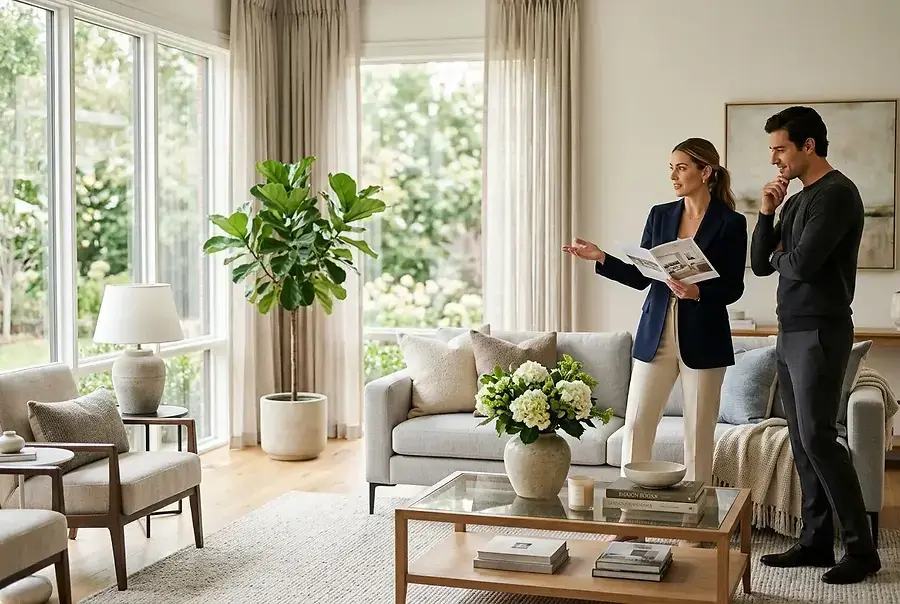
Why Staging Matters in Today's Competitive Real Estate Market
In today's fast-paced real estate environment, first impressions are everything. When potential buyers walk through your door, they have mere minutes to form an emotional connection with your property. Strategic home staging is the difference between a property that sits on the market and one that sells quickly at top dollar.
The reality is simple: homes that are properly staged sell faster and for more money. Buyers are looking for a vision of their future, not a cluttered space filled with personal memorabilia. By thoughtfully arranging your home, you're essentially helping buyers imagine themselves living there. This psychological advantage can be the deciding factor in a competitive market where multiple properties are vying for attention.
Staging isn't about deceiving buyers—it's about presenting your home in its absolute best light. It's about removing distractions and highlighting the features that make your property special.
Essential Staging Techniques That Create Lasting Buyer Impressions
Declutter and Depersonalize
The first step in staging is removing excess items from your home. Buyers need to see themselves in the space, not your family photos and personal collections. Pack away at least 30% of your belongings, focusing on:
- Family photos and personal memorabilia
- Excess furniture that makes rooms feel cramped
- Children's toys and sports equipment
- Kitchen countertop clutter
- Bathroom personal care items
A clean, open space feels larger and more inviting. It allows buyers to focus on the architecture and features of your home rather than your lifestyle choices.
Create Inviting Entryways
Your front entrance sets the tone for the entire showing. This is where buyers form their first impression, and you only get one chance to make it count. Invest in:
- Fresh paint on the front door in a welcoming color
- Updated hardware and house numbers
- Well-maintained landscaping and potted plants
- Clean, well-lit entry foyer
- A subtle welcoming scent (fresh flowers or light vanilla)
Highlight Key Living Spaces
Focus your staging efforts on the spaces that matter most to buyers: the kitchen, master bedroom, and living areas. In the kitchen, ensure countertops are clear, appliances shine, and the space feels functional. In bedrooms, use neutral bedding and minimal furniture to maximize the sense of space. Living rooms should feature comfortable seating arrangements that encourage conversation and showcase the room's flow.
Optimize Lighting and Ambiance
Lighting can transform a space from dull to dynamic. Open all curtains and blinds to let natural light flood in. Add table lamps and floor lamps to create warm, inviting ambiance in the evening. Replace dim bulbs with brighter, energy-efficient alternatives. Good lighting makes spaces feel larger, cleaner, and more welcoming.
Use Neutral Colors and Strategic Accents
While bold colors express personality, they can also limit a buyer's ability to envision their own style. Stick with neutral wall colors like soft whites, beiges, and light grays. Use strategic pops of color through artwork, throw pillows, and plants to add visual interest without overwhelming the space.
Common Staging Mistakes That Turn Buyers Away
Over-Staging and Artificial Presentation
There's a fine line between staging and over-staging. Homes that look like showrooms rather than livable spaces can feel cold and uninviting. Avoid excessive furniture, overly coordinated décor, or spaces that look untouched. Buyers want to see a home they could actually live in, not a museum display.
Ignoring Odors and Cleanliness
No amount of beautiful staging can overcome unpleasant smells or visible dirt. Deep clean every surface, eliminate pet odors, and ensure the home smells fresh. Avoid strong artificial scents that might trigger allergies or seem like you're hiding something. A clean home is a sold home.
Poor Furniture Arrangement
Cramming too much furniture into a room makes it feel smaller and cluttered. Arrange furniture to create clear pathways and define functional zones. In smaller rooms, use fewer, appropriately-sized pieces. The goal is to make spaces feel open and easy to navigate.
Neglecting Outdoor Spaces
Your yard is part of your home's appeal. Don't overlook curb appeal and outdoor staging. Trim hedges, mow the lawn, power wash the driveway, and add potted plants to patios. These outdoor touches extend your home's visual appeal and create a complete picture of the lifestyle your property offers.
Leaving Maintenance Issues Visible
Peeling paint, broken fixtures, and obvious repairs signal neglect to buyers. Address visible maintenance issues before staging. Fresh paint, working light fixtures, and clean windows demonstrate that you've cared for the property, giving buyers confidence in their investment.
Transform Your Home's Appeal and Accelerate Your Sale
Smart home staging is an investment that pays dividends. By decluttering, depersonalizing, and strategically highlighting your home's best features, you create an emotional connection with buyers that translates into faster sales and better offers.
Remember: staging isn't about hiding flaws—it's about showcasing strengths and helping buyers envision their future in your home.
The most successful sellers understand that presentation matters. Whether you choose to stage your home yourself or hire a professional stager, the effort you invest in preparing your property will directly impact your bottom line. In today's competitive market, homes that are properly staged don't just sell faster—they sell for more.
Start with the essentials: declutter, depersonalize, and clean. Then focus on creating inviting spaces that highlight your home's unique features. Avoid common mistakes, and you'll be well on your way to attracting qualified buyers who are ready to make an offer. Your home has tremendous potential—staging simply helps buyers see it.
