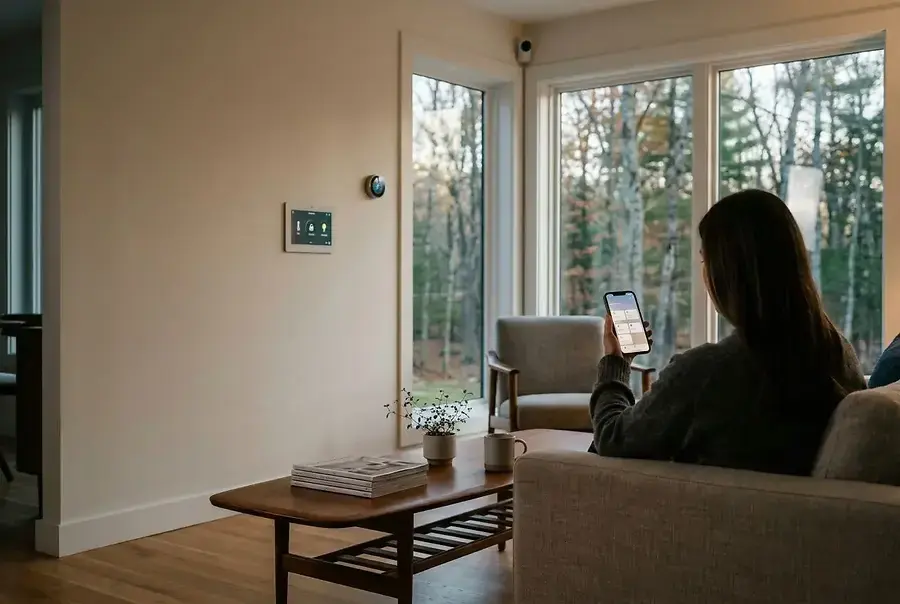
Why Smart Home Upgrades Matter to Today's Buyers
The real estate market in New England has undergone a significant transformation. Today's buyers—whether residential homeowners or commercial investors—are actively seeking properties equipped with modern smart home technology. This shift isn't merely about convenience; it's about measurable financial returns and long-term property value appreciation.
Smart home features have transitioned from luxury amenities to expected standards in competitive markets. Properties with integrated automation systems command higher prices, attract more qualified buyers, and spend less time on the market. For New England property owners, understanding which upgrades deliver the strongest returns is essential for maximizing investment potential.
Top Smart Home Features That Increase Resale Value
Intelligent Security Systems
Security remains the top priority for property buyers. Modern smart security systems—including video doorbells, motion-activated cameras, and integrated alarm systems—provide both peace of mind and tangible value. Properties with comprehensive security automation typically see a 3-5% increase in resale value, with buyers willing to pay premium prices for homes that offer professional-grade protection.
- 24/7 remote monitoring capabilities
- Smartphone alerts and real-time notifications
- Integration with local emergency services
- Professional monitoring options
Energy Management Systems
New England's climate demands efficient heating and cooling solutions. Smart thermostats and energy management systems allow homeowners to optimize consumption patterns, reducing utility bills by 10-15% annually. Energy-efficient properties appeal strongly to environmentally conscious buyers and qualify for various tax incentives and rebates.
Smart HVAC systems that learn user preferences and adjust automatically demonstrate immediate cost savings—a compelling selling point for potential buyers reviewing operating expenses.
Lighting Automation
Intelligent lighting systems go beyond simple convenience. Programmable LED lighting that adjusts based on occupancy, time of day, and natural light levels creates ambiance while reducing energy consumption. Smart lighting upgrades typically cost $2,000-$5,000 but can increase perceived property value by 2-3%.
Smart Home Hubs and Integration
Properties with centralized smart home platforms—where security, lighting, climate control, and entertainment systems work seamlessly together—command premium prices. A unified ecosystem demonstrates technological sophistication and ease of use, making properties more attractive to tech-savvy buyers.
Water Management Systems
Smart irrigation controllers and leak detection systems are increasingly valuable in New England, where water conservation and flood prevention matter. These systems protect property investments while reducing water bills, making them attractive to environmentally and financially conscious buyers.
Investment Analysis: Which Upgrades Provide the Best Returns
Return on Investment (ROI) Rankings
High ROI Upgrades (70-100% return):
- Smart security systems and video doorbells
- Programmable smart thermostats
- Smart locks and keyless entry systems
Moderate ROI Upgrades (40-70% return):
- Whole-home lighting automation
- Smart water management systems
- Integrated home automation hubs
Variable ROI Upgrades (20-40% return):
- Smart appliances (refrigerators, ovens, washers)
- Entertainment system automation
- Advanced voice control systems
Cost-Benefit Analysis for New England Properties
The New England market shows distinct preferences based on regional climate and demographics. Energy management systems deliver exceptional returns due to the region's heating demands and environmentally conscious population. A $3,000 smart thermostat installation can increase property value by $8,000-$12,000.
Security systems rank equally high, with buyers viewing them as essential rather than optional. The combination of smart locks, cameras, and monitoring systems creates a comprehensive security package that justifies premium pricing.
"Smart home technology is no longer a differentiator—it's a baseline expectation in competitive New England markets. Properties without these features are at a significant disadvantage."
Commercial Property Considerations
Commercial properties benefit differently from smart home technology. Building automation systems that optimize energy consumption, improve tenant comfort, and reduce operational costs deliver substantial returns. Commercial properties with integrated smart systems command 5-8% higher rental rates and attract premium tenants.
For commercial investors, smart building management systems that provide real-time data on energy usage, occupancy patterns, and maintenance needs create operational efficiencies that directly impact profitability.
Positioning Your Property as a Modern Investment
Strategic Upgrade Planning
Rather than installing every available smart home feature, focus on upgrades that align with buyer expectations in your specific market segment. Prioritize security and energy management, then add complementary systems based on property type and target buyer demographics.
Marketing Your Smart Home Features
When listing a property, highlight specific smart home benefits with quantifiable data. Instead of simply mentioning "smart thermostat," emphasize "reduces heating costs by 12% annually" or "maintains optimal comfort automatically." Provide documentation of energy savings and security features to justify premium pricing.
Professional Installation Matters
Quality installation by certified professionals ensures systems function reliably and integrate seamlessly. Buyers are more confident in professionally installed systems with warranties and ongoing support. This investment in proper installation pays dividends through higher resale values and faster sales.
Future-Proofing Your Investment
Choose systems and platforms with strong market presence and ongoing software support. Avoid proprietary systems that may become obsolete. Interoperable smart home devices that work with major platforms (Apple HomeKit, Google Home, Amazon Alexa) provide flexibility and longevity.
Conclusion: Positioning Your Property as a Modern Investment
Smart home technology upgrades represent one of the most effective ways to increase property values in New England's competitive real estate market. By strategically investing in security systems, energy management, and integrated automation platforms, property owners can achieve returns of 70-100% on their initial investment.
The key to success lies in understanding your market, prioritizing upgrades that deliver measurable benefits, and ensuring professional installation. Whether you're selling a residential home or managing commercial property, smart home features have become essential for attracting buyers, commanding premium prices, and positioning your investment for long-term appreciation.
The future of real estate is smart, connected, and efficient. Properties that embrace these technologies today will lead the market tomorrow.
