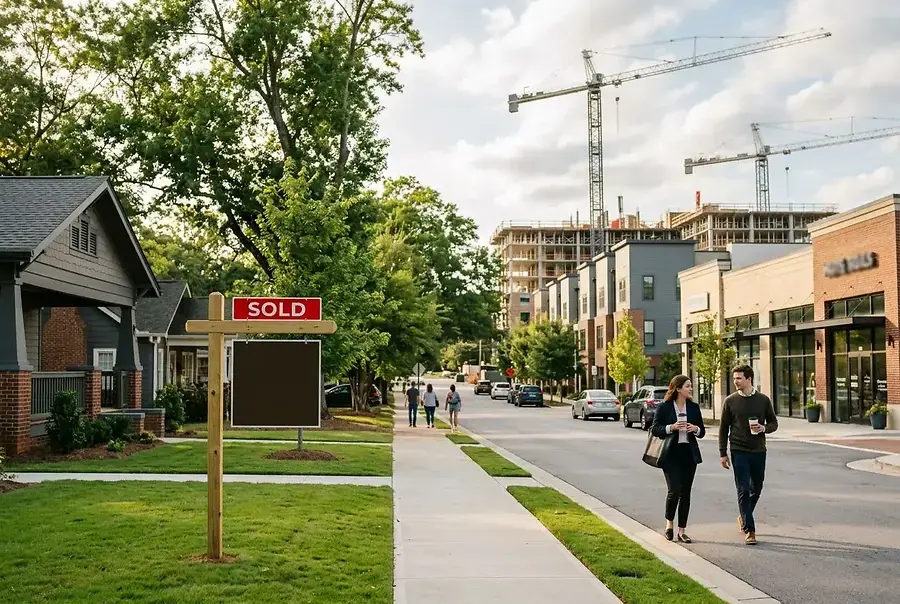
Understanding Marietta's Neighborhood Growth Patterns
Marietta continues to establish itself as one of Georgia's most dynamic real estate markets. The city's strategic location, combined with ongoing infrastructure development and population growth, has created a landscape ripe with investment opportunities. Understanding how neighborhoods evolve is essential for investors seeking properties with strong appreciation potential.
The city's growth patterns reveal a clear trend: neighborhoods closer to downtown and major employment centers are experiencing revitalization, while areas with improved transportation access and new commercial development are attracting young professionals and families alike. This organic expansion creates windows of opportunity for investors who can identify neighborhoods before they reach peak popularity.
The Role of Infrastructure Development
Infrastructure improvements serve as powerful catalysts for neighborhood appreciation. New road projects, public transit enhancements, and utility upgrades signal municipal investment and attract both residents and businesses. Investors should monitor city planning documents and development announcements to identify neighborhoods poised for transformation.
Key Indicators of Emerging Residential Markets
Identifying emerging neighborhoods requires analyzing multiple data points. Successful investors look beyond surface-level metrics to understand the fundamental drivers of neighborhood growth and sustainability.
Population and Demographic Shifts
Rising population in a neighborhood indicates growing demand for housing. Pay attention to:
- Millennial and Gen Z migration patterns – These demographics often lead neighborhood revitalization
- Young family relocation – Indicates long-term neighborhood stability
- Workforce expansion – New employment opportunities drive residential demand
Economic Indicators and Business Development
A neighborhood's economic health directly impacts property values. Look for:
- New retail and restaurant openings
- Commercial space leasing activity
- Small business growth and entrepreneurship
- Corporate relocations to the area
These indicators suggest investor confidence and consumer spending power, both essential for sustained property appreciation.
Housing Market Metrics
Analyze historical price trends, days-on-market data, and inventory levels. Neighborhoods with steadily rising prices, quick sales, and low inventory typically offer better appreciation potential. However, emerging neighborhoods often show these metrics before becoming mainstream, making early identification crucial.
Investment Strategies for Appreciation-Focused Buyers
Once you've identified a promising neighborhood, strategic investment approaches can maximize your returns.
Buy Before the Boom
The most successful real estate investors purchase properties in neighborhoods showing early signs of growth but before widespread recognition drives prices up. This requires:
- Thorough market research and analysis
- Confidence in neighborhood fundamentals
- Patience to hold through the appreciation cycle
- Financial stability to weather market fluctuations
Focus on Value-Add Properties
In emerging neighborhoods, purchasing properties below market value and making strategic improvements can accelerate appreciation. Consider:
- Homes requiring cosmetic updates in growing areas
- Properties with strong bones but outdated finishes
- Undervalued homes due to temporary market conditions
Strategic renovations in emerging neighborhoods can yield returns that far exceed the cost of improvements, especially as the area gains popularity.
Diversify Your Portfolio
Rather than concentrating investments in a single neighborhood, consider spreading risk across multiple emerging areas. This approach provides:
- Reduced exposure to neighborhood-specific risks
- Multiple appreciation opportunities
- Better overall portfolio performance
Consider Rental Income Potential
While appreciation is the primary goal, emerging neighborhoods often attract renters seeking affordable housing in desirable locations. Properties that generate rental income while appreciating provide dual benefits and improved cash flow during the holding period.
Making Your Move: Next Steps for Marietta Real Estate Success
Taking action on investment opportunities requires a structured approach and professional guidance.
Conduct Thorough Due Diligence
Before committing capital, invest time in comprehensive research:
- Visit neighborhoods at different times and days
- Review city planning and zoning documents
- Analyze comparable sales data
- Interview local real estate professionals
- Assess school quality and community amenities
Partner with Local Experts
Real estate agents specializing in Marietta's market provide invaluable insights into neighborhood trends and investment potential. Their local knowledge can help you identify opportunities before they become obvious to the broader market.
Secure Appropriate Financing
Work with lenders familiar with investment properties and emerging markets. Ensure your financing strategy supports your long-term appreciation goals while maintaining positive cash flow if you're generating rental income.
Develop a Long-Term Strategy
Successful real estate investment requires patience. Establish clear appreciation targets, timeline expectations, and exit strategies. Most neighborhood transformations take several years to fully materialize, so investors must be prepared for the long game.
Marietta's emerging neighborhoods present compelling opportunities for investors willing to do their homework and think strategically. By understanding growth patterns, identifying key indicators, and implementing sound investment strategies, you can position yourself to benefit from the city's continued expansion and prosperity.