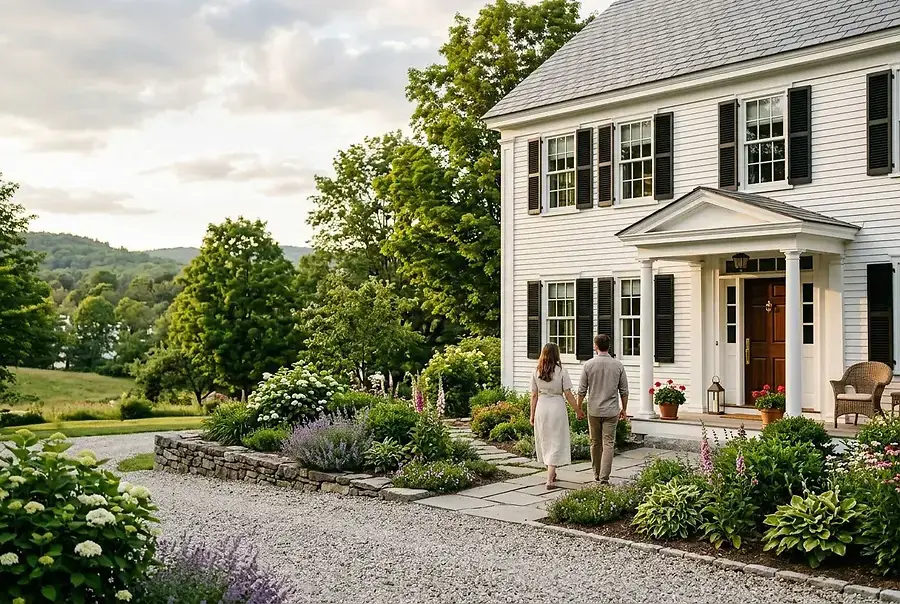
Introduction: The Appeal and Value of Historic Homes in Walpole and Surrounding Areas
Historic homes in Walpole and the surrounding Southwest New Hampshire region represent more than just places to live—they are investments in character, craftsmanship, and community heritage. These properties, many dating back to the 18th and 19th centuries, feature architectural details and construction quality that modern homes often cannot replicate. From hand-hewn beams to original hardwood floors and period-appropriate trim work, these homes tell stories of the region's rich past.
Homeowners in Cheshire and Sullivan County understand that owning a historic property comes with unique opportunities and challenges. While these homes appreciate steadily and attract buyers who value authenticity, they also require thoughtful renovation approaches that honor their heritage while meeting contemporary living standards. The key to successful renovation lies in balancing modernization with preservation.
Budget-Friendly Renovations That Increase Appraisal Value
Strategic Interior Updates
Not all renovations require significant investment to yield impressive returns. Kitchen and bathroom updates consistently rank among the highest-return projects for historic homes. Rather than complete overhauls, consider:
- Refinishing existing cabinetry instead of replacing it entirely
- Installing modern fixtures that complement period aesthetics
- Updating plumbing and electrical systems while maintaining visual authenticity
- Choosing hardware and finishes that echo the home's original era
Cosmetic improvements like fresh paint, updated lighting fixtures, and refinished floors can dramatically transform a space without compromising historic integrity. These projects typically offer excellent return on investment while preserving the home's character.
Energy Efficiency Without Sacrificing History
Modern homebuyers expect energy-efficient homes, but historic properties present special considerations. Strategic upgrades include:
- Adding insulation to attics and crawl spaces while preserving original wall structures
- Installing storm windows that protect original panes rather than replacing them
- Upgrading HVAC systems with period-appropriate grilles and vents
- Sealing air leaks around windows and doors without altering their appearance
These improvements appeal to appraisers and buyers alike, demonstrating that the home meets contemporary comfort standards while maintaining its historic charm.
Exterior Maintenance and Curb Appeal
The exterior of a historic home makes the first impression. Prioritize maintenance projects that enhance curb appeal:
- Repairing or replacing roofing with materials that match the original style
- Restoring or repainting exterior trim and siding
- Landscaping that complements the home's architectural period
- Updating the front entrance while respecting original design elements
These visible improvements significantly impact property appraisals and buyer perception, often providing returns that exceed their cost.
Navigating Historic Preservation Guidelines in Cheshire and Sullivan County
Understanding Local Regulations
Walpole and surrounding communities in Cheshire and Sullivan County have established historic district guidelines to protect architectural heritage. Before beginning any renovation project, homeowners should:
- Research whether their property falls within a historic district
- Contact the local historical society or preservation commission
- Review specific guidelines for exterior modifications
- Understand approval processes for renovation plans
While these regulations might seem restrictive, they actually protect property values by maintaining neighborhood character and preventing incompatible modifications.
Working with Preservation Professionals
Engaging architects and contractors experienced in historic preservation is invaluable. These professionals understand:
- How to interpret and apply preservation guidelines
- Appropriate materials and techniques for different architectural periods
- How to balance modern functionality with historic authenticity
- Grant opportunities and tax incentives for qualified preservation work
Federal Historic Preservation Tax Credits can offset renovation costs for properties listed on the National Register of Historic Places. Consulting with preservation specialists helps homeowners maximize these financial benefits while ensuring compliance with all regulations.
Documentation and Approval
Most historic districts require approval before exterior work begins. The process typically involves:
- Submitting detailed plans and material samples
- Demonstrating how changes respect the home's historic character
- Receiving written approval before construction starts
- Maintaining documentation for future reference and resale
This documentation becomes valuable when selling the property, as it demonstrates that all work was completed with proper oversight and approval.
Conclusion: Strategic Upgrades for Long-Term Investment Returns
Renovating a historic home in Walpole and Southwest New Hampshire requires a strategic approach that balances investment returns with preservation principles. The most successful projects focus on improvements that enhance functionality and appeal while respecting the home's architectural heritage.
By prioritizing budget-friendly upgrades, understanding local preservation guidelines, and working with experienced professionals, homeowners can significantly increase property value. Historic homes in Cheshire and Sullivan County continue to appreciate as buyers increasingly seek authentic, character-filled properties with established neighborhoods and community connections.
The key to successful historic home renovation is viewing preservation not as a limitation, but as an opportunity to enhance a property's unique value proposition. When done thoughtfully, these upgrades ensure that these architectural treasures remain vibrant, valuable, and cherished for generations to come.