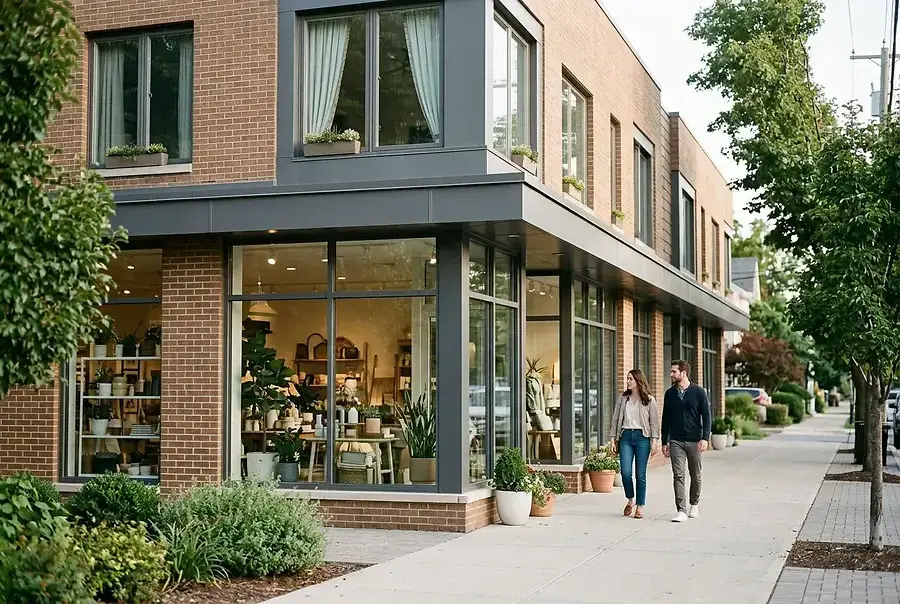
Why Mixed-Use Properties Are Investment Opportunities
Mixed-use properties represent one of the most dynamic investment opportunities in the Baldwin Place real estate market. These versatile spaces combine residential units with commercial storefronts, offices, or service businesses, creating multiple revenue streams from a single property. Unlike traditional single-use buildings, mixed-use developments offer investors the flexibility to adapt to changing market demands and tenant needs.
The appeal of mixed-use properties lies in their economic resilience. When residential tenants provide steady base income, commercial spaces can generate premium rents during peak business seasons. This diversification reduces vacancy risk and creates a more stable investment portfolio. Additionally, properties that successfully blend residential comfort with commercial convenience attract higher-quality tenants and command premium rental rates.
Baldwin Place's growing population and strategic location make it an ideal market for mixed-use development. Properties that offer convenient access to both living spaces and business amenities are increasingly sought after by both investors and end-users.
Planning Your Renovation: Balancing Residential and Commercial Spaces
Assessing Your Current Property
Before undertaking any renovation project, conduct a thorough assessment of your mixed-use property. Evaluate the condition of both residential and commercial areas separately, as each requires different maintenance standards and upgrade priorities. Consider the current tenant mix and identify which spaces generate the highest returns.
Key areas to evaluate include:
- Structural integrity and foundation stability
- HVAC and electrical systems capacity for both residential and commercial use
- Plumbing infrastructure and water pressure requirements
- Accessibility compliance for commercial tenants
- Parking availability and traffic flow patterns
Strategic Upgrade Priorities
Smart renovations focus on improvements that directly impact tenant satisfaction and property value. Prioritize upgrades that benefit both residential and commercial tenants, such as improved security systems, enhanced lighting, and modernized common areas.
For residential spaces, consider:
- Kitchen and bathroom modernization
- Energy-efficient windows and insulation
- Updated flooring and interior finishes
- Smart home technology integration
For commercial spaces, focus on:
- Professional-grade HVAC systems
- Enhanced electrical capacity for equipment
- Improved storefront visibility and signage opportunities
- Flexible layout options for different business types
Creating Synergy Between Spaces
The most successful mixed-use renovations create natural synergy between residential and commercial areas. Thoughtful design can enhance the appeal of both segments. For example, ground-floor retail spaces with attractive storefronts add vibrancy and convenience for residential tenants above, while residential foot traffic benefits ground-floor businesses.
Consider shared amenities that benefit all tenants, such as:
- Upgraded lobbies and entryways
- Improved landscaping and outdoor spaces
- Enhanced security and surveillance systems
- Better waste management and recycling facilities
Navigating Permits, Regulations, and Construction Timeline Management
Understanding Local Regulations
Baldwin Place has specific zoning regulations and building codes that govern mixed-use properties. Compliance is non-negotiable and requires careful planning before construction begins. Mixed-use properties must meet both residential and commercial building standards, which can be more complex than single-use buildings.
Key regulatory considerations include:
- Zoning classification and permitted uses
- Occupancy limits for both residential and commercial spaces
- Fire safety and emergency egress requirements
- ADA accessibility standards for commercial areas
- Environmental compliance and contamination assessments
Permit Requirements and Timeline
Obtaining permits for mixed-use renovations typically takes longer than single-use projects. Plan for 6-12 weeks of permit review time, depending on the scope of work. Work closely with a local architect or contractor familiar with Baldwin Place regulations to streamline the process.
Essential permits include:
- Building permits for structural and mechanical work
- Electrical permits for system upgrades
- Plumbing permits for water and sewer modifications
- Certificate of Occupancy updates
- Commercial use permits if changing tenant types
Managing Construction and Tenant Relations
Renovating while maintaining occupied spaces requires exceptional project management. Clear communication with existing tenants is essential to minimize disruption and maintain positive relationships. Establish a detailed construction schedule that minimizes impact on commercial operations and residential comfort.
Pro Tip: Schedule major construction during slower business periods for commercial tenants and coordinate residential work to minimize noise during evening hours.
Develop a comprehensive communication plan that includes:
- Weekly updates to all affected tenants
- Clear noise and disruption schedules
- Emergency contact information for construction issues
- Parking and access accommodations during construction
Maximizing Returns on Your Mixed-Use Property Investment
Strategic renovations directly impact your property's market value and rental income potential. Properties with modern amenities and well-maintained spaces command 15-25% higher rents compared to outdated competitors. The key is ensuring that renovation costs align with expected rental increases and market demand.
To maximize your return on investment:
- Track all renovation expenses for tax deduction purposes
- Implement rent increases gradually after completion
- Market upgraded spaces to attract premium tenants
- Monitor market trends to adjust rental rates competitively
- Plan for ongoing maintenance to preserve property value
Mixed-use properties in Baldwin Place represent exceptional investment opportunities for those willing to navigate the complexities of renovation and management. By carefully planning upgrades, understanding local regulations, and maintaining strong tenant relationships, investors can significantly increase property value while creating vibrant, desirable spaces that attract quality tenants for years to come.