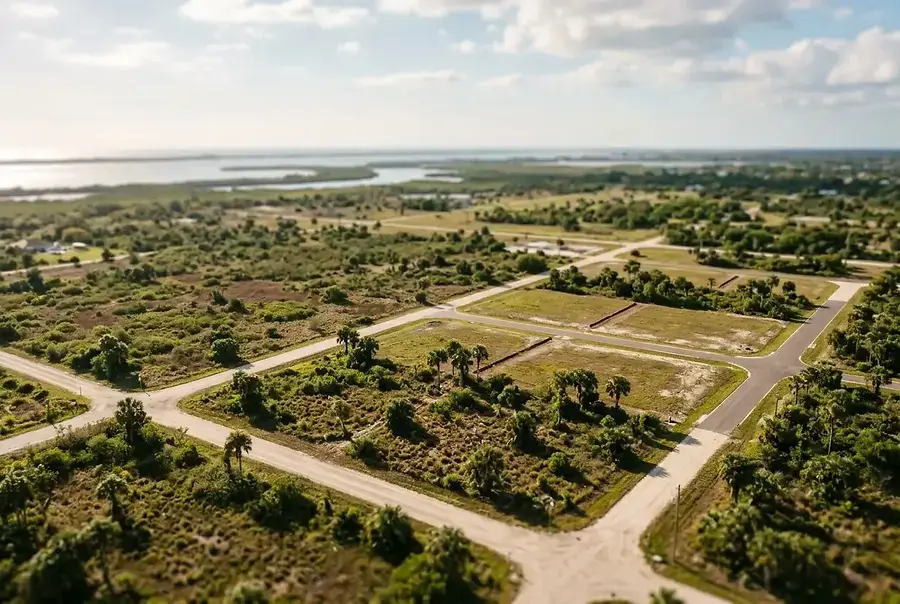
Understanding the Charlotte County Land Market: Current Trends and Opportunities
Charlotte County, Florida has emerged as one of the most compelling markets for land investors seeking growth potential and long-term appreciation. The region, encompassing communities like Placida, Englewood, and Boca Grande, offers unique advantages that distinguish it from more saturated Florida markets. Unlike crowded urban centers, Charlotte County provides investors with affordable entry points, lower competition, and significant development potential.
The current market dynamics favor investors who understand the nuances of raw land acquisition. Property values in Charlotte County have shown steady appreciation, driven by population growth, improved infrastructure, and increasing demand for residential and commercial development. The area's proximity to established communities, combined with its relatively untapped development potential, creates a compelling investment thesis for those willing to think long-term.
Why Charlotte County Stands Out
Several factors make Charlotte County particularly attractive for land investors:
- Affordability: Land prices remain significantly lower than comparable properties in Miami, Tampa, or Naples
- Growth Trajectory: Population projections indicate steady growth over the next decade
- Coastal Access: Proximity to Gulf Coast amenities without the premium pricing of established beach communities
- Development Potential: Substantial acreage available for residential, commercial, and mixed-use projects
Evaluating Raw Land: Key Factors for Residential Development and Investment Potential
Successful land investment requires a systematic approach to property evaluation. Before committing capital, investors must thoroughly assess multiple factors that directly impact development feasibility and future profitability.
Location and Accessibility
The location of your land investment determines its ultimate value and development potential. Prime locations near established infrastructure, schools, and commercial centers command higher prices and attract more buyers. Evaluate proximity to major roads, utilities, and community amenities. Properties in Placida near waterfront access or Englewood close to retail centers typically appreciate faster than isolated parcels.
Soil Quality and Environmental Factors
Conduct a thorough environmental assessment before purchasing. Soil composition, drainage patterns, and wetland designations significantly impact development costs and timelines. Properties with poor drainage or extensive wetlands may require expensive mitigation strategies. Hire environmental consultants to evaluate:
- Soil bearing capacity and composition
- Flood zones and drainage patterns
- Wetland presence and regulatory restrictions
- Environmental contamination history
Market Demand and End-User Appeal
Understanding who will ultimately purchase or develop your land is crucial. Research demographic trends, housing demand, and commercial development patterns. Properties that appeal to multiple end-users offer greater flexibility and lower holding risk. Consider whether your land could serve residential, commercial, agricultural, or mixed-use purposes.
Financing, Zoning, and Development: What You Need to Know Before Buying
The financial and regulatory landscape significantly impacts your investment success. Proper due diligence in these areas prevents costly mistakes and ensures smooth development pathways.
Financing Raw Land Purchases
Financing vacant land differs substantially from traditional real estate financing. Banks view raw land as higher risk, resulting in stricter lending requirements and higher interest rates. Consider these financing options:
- Seller Financing: Negotiate directly with sellers for favorable terms
- Portfolio Lenders: Banks that hold loans in-house rather than selling them
- Hard Money Lenders: Private lenders offering faster approval but higher rates
- Cash Purchases: Strongest negotiating position but requires substantial capital
Expect to provide larger down payments (25-50%) and demonstrate clear development plans to secure favorable financing terms.
Zoning and Regulatory Compliance
Charlotte County's zoning regulations determine what you can build and how you can use your property.
Before purchasing, obtain a detailed zoning report and verify that your intended use aligns with current designations.Zoning changes are possible but time-consuming and uncertain. Verify:
- Current zoning classification and permitted uses
- Setback requirements and building restrictions
- Density limitations and lot size minimums
- Future land use designations in county master plans
Development Costs and Timelines
Budget for infrastructure development, including roads, utilities, and stormwater management. These costs vary dramatically based on location and existing infrastructure. Properties near established utilities cost significantly less to develop than remote parcels requiring extensive infrastructure investment. Factor in permitting timelines, which can extend 6-18 months depending on project complexity.
Building Your Investment Strategy: From Land Purchase to Long-Term Wealth
Successful land investing requires a comprehensive strategy aligned with your financial goals and risk tolerance.
Define Your Investment Objectives
Clarify whether you're pursuing short-term appreciation, long-term development, or income generation. Each strategy requires different property types and management approaches. Short-term investors seek properties with immediate development potential, while long-term holders prioritize locations with strong growth trajectories and lower holding costs.
Develop a Comprehensive Due Diligence Process
Create a systematic evaluation framework before making offers:
- Conduct title searches and verify clear ownership
- Obtain professional surveys and boundary verification
- Commission environmental and soil assessments
- Review zoning and development regulations
- Analyze comparable sales and market trends
- Calculate development costs and timelines
Negotiate Strategically
Land sellers often have flexibility on terms. Negotiate not just price, but also closing timelines, contingencies, and seller financing options. Properties that have been listed for extended periods present negotiation opportunities. Consider making offers contingent on satisfactory environmental assessments and zoning verification.
Manage Your Investment Actively
Successful land investors don't simply purchase and hold passively. Monitor market conditions, track development trends in your area, and stay informed about zoning changes. Network with local developers, real estate professionals, and government officials. These relationships often provide early insights into emerging opportunities and development trends that can significantly enhance your investment returns.
Charlotte County's vacant land market offers compelling opportunities for investors willing to conduct thorough due diligence and develop strategic long-term plans. By understanding market dynamics, evaluating properties systematically, and navigating financing and regulatory requirements, you can build substantial wealth through smart land investments in Placida, Englewood, and Boca Grande.