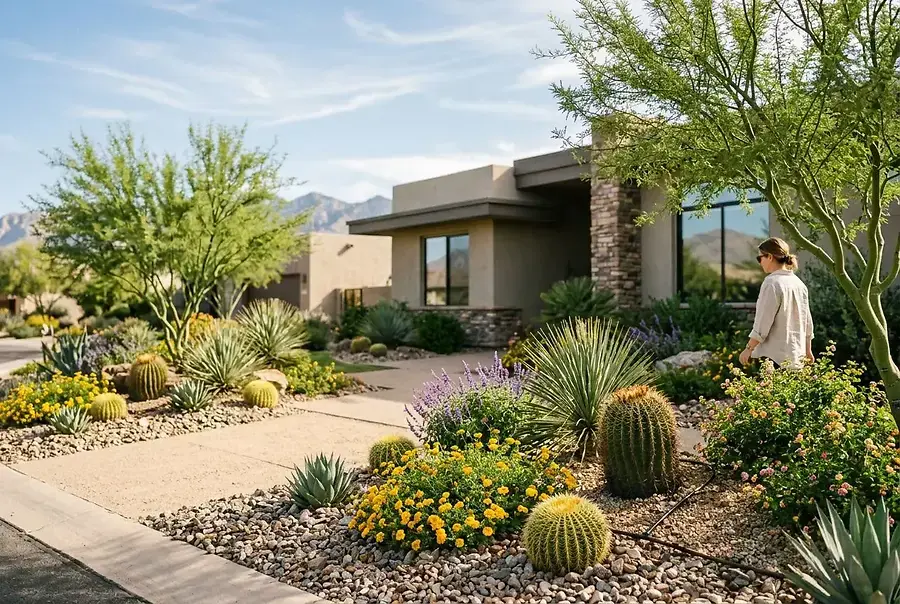
Understanding Water Conservation in Arizona's Desert Climate
Living in Tucson and Oro Valley means embracing the unique challenges and opportunities of Arizona's desert climate. With water becoming an increasingly precious resource, homeowners in these communities are discovering that smart landscaping isn't just an environmental choice—it's a financial one. The Sonoran Desert receives minimal rainfall, making water conservation essential for both your wallet and the region's sustainability.
Arizona's water restrictions and rising utility costs have made traditional green lawns impractical for most homeowners. However, this challenge has sparked a landscaping revolution that celebrates the natural beauty of desert vegetation. By understanding your local climate and adapting your landscape accordingly, you can create stunning outdoor spaces that thrive with minimal water input.
Why Water-Efficient Landscaping Matters
Traditional landscaping practices can waste up to 50% of water through inefficient irrigation and inappropriate plant choices. In Arizona, outdoor water use accounts for a significant portion of residential consumption. By switching to water-efficient landscaping, homeowners can reduce their water usage by 30-50% while simultaneously lowering their monthly utility bills.
Key benefits include:
- Reduced water bills and utility costs
- Lower maintenance requirements
- Improved property aesthetics and curb appeal
- Enhanced property value
- Support for local ecosystems and wildlife
Native Plants and Drought-Resistant Options for Your Landscape
The secret to successful desert landscaping lies in selecting plants that have evolved to thrive in arid conditions. Native plants are naturally adapted to Tucson and Oro Valley's climate, requiring minimal water once established and virtually no fertilizers or pesticides.
Top Native Plants for Desert Landscaping
Desert Shrubs and Small Trees:
- Palo Verde - A striking native tree with green bark and delicate foliage that provides excellent shade
- Mesquite - Hardy and beautiful, offering dappled shade and nitrogen-fixing properties
- Desert Marigold - Bright yellow flowers that bloom year-round with minimal water
- Creosote Bush - Extremely drought-tolerant with aromatic foliage
- Desert Rose - Stunning pink or red flowers that attract pollinators
Groundcovers and Accent Plants:
- Desert Marigold - Low-growing with cheerful blooms
- Brittlebush - Yellow daisy-like flowers and silvery foliage
- Desert Zinnia - Vibrant colors with minimal water needs
- Barrel Cactus - Iconic desert plants requiring virtually no maintenance
Designing Your Native Plant Landscape
Successful desert landscaping combines aesthetics with functionality. Group plants by water needs, placing those requiring occasional watering closer to your home and the most drought-tolerant varieties further out. This approach, called hydrozoning, maximizes efficiency while creating visual interest through varied heights, textures, and colors.
Consider incorporating hardscape elements like gravel, stone pathways, and decorative rock to reduce the overall area requiring irrigation. These elements also help retain soil moisture and create a polished, professional appearance.
Irrigation Systems and Maintenance Tips for Maximum Efficiency
Even drought-resistant plants need proper irrigation during establishment and occasional watering during extreme heat. Modern irrigation technology allows you to deliver water precisely where it's needed, minimizing waste.
Smart Irrigation Solutions
Drip Irrigation Systems: These deliver water directly to plant roots through soaker hoses or emitters, reducing evaporation by up to 50% compared to traditional sprinklers. Drip systems are ideal for shrubs, trees, and garden beds.
Smart Controllers: Weather-based irrigation controllers adjust watering schedules based on rainfall, temperature, and humidity. These systems can reduce water usage by 20-30% while ensuring your plants receive adequate moisture.
Micro-Sprinklers: For areas requiring broader coverage, micro-sprinklers deliver water more efficiently than traditional sprinkler heads while maintaining better control over water distribution.
Maintenance Best Practices
- Mulch your beds - Apply 2-3 inches of wood chips or gravel to retain soil moisture and regulate temperature
- Water deeply but infrequently - This encourages deep root growth and plant resilience
- Water early morning or evening - Minimize evaporation by watering during cooler parts of the day
- Regular system checks - Inspect irrigation lines monthly for leaks or damage
- Seasonal adjustments - Reduce watering frequency during cooler months and increase during peak summer heat
- Prune strategically - Remove dead branches and thin dense growth to improve air circulation
Most native plants require minimal fertilization. In fact, over-fertilizing can promote excessive growth and reduce drought tolerance. A light application of compost annually is typically sufficient.
Long-Term Benefits: Property Value and Sustainability
Water-efficient landscaping offers benefits that extend far beyond your monthly utility bill. Homebuyers increasingly recognize the value of sustainable, low-maintenance landscapes, making your property more attractive in the real estate market.
Property Value Enhancement
Studies show that quality landscaping can increase property values by 5-15%. Water-efficient landscaping is particularly valuable in Arizona, where water scarcity is a growing concern. Potential buyers appreciate the reduced maintenance requirements and lower operating costs associated with native plant landscapes.
Environmental and Community Impact
By choosing water-efficient landscaping, you're contributing to regional water conservation efforts. The Tucson and Oro Valley communities face ongoing water challenges, and residential conservation plays a crucial role in ensuring sustainable water supplies for future generations.
Native plant landscapes support local wildlife, including pollinators, birds, and beneficial insects, creating a thriving ecosystem right in your backyard.
Long-Term Cost Savings
While initial installation costs for water-efficient landscapes may be comparable to traditional landscaping, the long-term savings are substantial. Reduced water bills, lower maintenance costs, and decreased need for fertilizers and pesticides add up to significant savings over time. Most homeowners recoup their investment within 3-5 years through reduced utility costs alone.
Water-efficient landscaping represents a smart investment in your home, your community, and the environment. By embracing native plants and efficient irrigation systems, Tucson and Oro Valley homeowners can create beautiful, sustainable outdoor spaces that thrive in the desert climate while reducing costs and environmental impact.