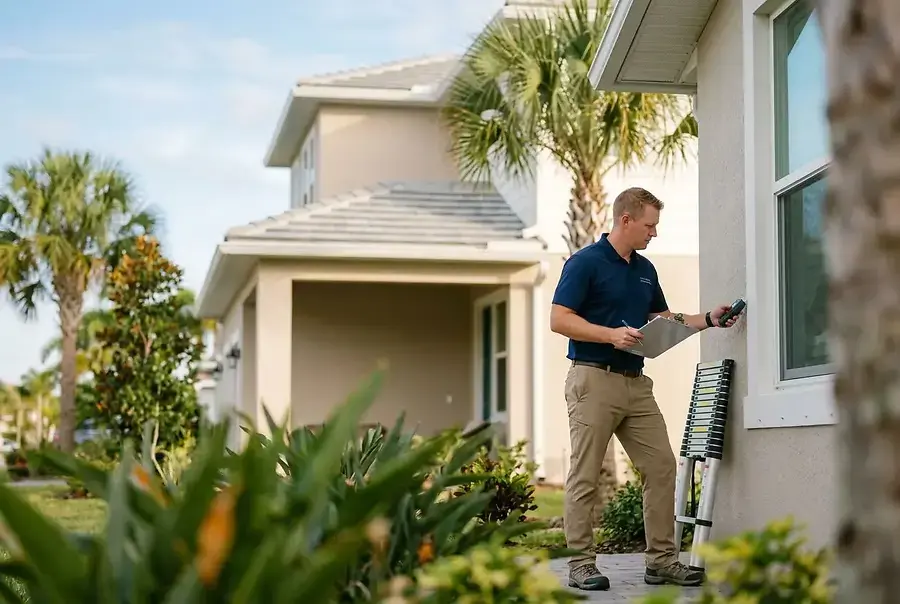
Understanding Pre-Purchase Inspections and Environmental Assessments
When purchasing a home in Southwest Florida, conducting thorough pre-purchase inspections is one of the most critical steps you can take to protect your investment. The coastal environment presents unique challenges that inland properties don't face, making comprehensive inspections even more essential.
The Foundation: Home Inspections
A professional home inspection should be your first priority. Licensed inspectors will evaluate the structural integrity, electrical systems, plumbing, HVAC, and roofing. In Southwest Florida, inspectors pay special attention to hurricane-resistant features, water damage, and salt-air corrosion that can compromise materials over time.
- Check for signs of previous water damage or mold
- Verify that the roof meets current hurricane codes
- Inspect windows and doors for proper impact-resistant installation
- Evaluate the foundation for cracks or settling issues
Environmental Assessments: A Coastal Necessity
Southwest Florida's proximity to water means environmental assessments are particularly important. Phase I Environmental Site Assessments (ESA) identify potential contamination or environmental hazards. For coastal properties, this includes evaluating flood risk, soil composition, and proximity to wetlands.
Flood zone determination is critical—properties in high-risk flood zones require flood insurance and may have restrictions on future renovations. Request a current flood elevation certificate and understand your property's specific flood zone designation.
Navigating Building Permits and Compliance Requirements
Southwest Florida has stringent building codes designed to withstand hurricanes and protect the coastal environment. Understanding permit requirements before purchase helps you avoid costly surprises.
Verifying Permit History
Request a complete permit history from the local building department. This reveals whether previous renovations were done legally and to code. Unpermitted work can create serious problems when selling and may require expensive corrections to bring the property into compliance.
- Obtain copies of all permits issued for the property
- Verify that final inspections were completed
- Check for any open or expired permits
- Review any code violations or citations
Understanding Current Building Codes
Florida's building code is among the most stringent in the nation. Coastal properties must comply with additional requirements including wind resistance standards, elevated construction in flood zones, and specific material specifications. Before purchasing, understand what upgrades might be required if you plan renovations.
Hurricane-resistant construction standards affect everything from roof installation to window specifications. If the property doesn't meet current codes, budget for potential upgrades or negotiate with the seller for price adjustments.
Environmental Compliance
Coastal properties must comply with environmental regulations protecting wetlands, mangroves, and marine habitats. If your property is near protected areas, you may face restrictions on landscaping, construction, or water usage. The Department of Environmental Protection can provide specific requirements for your location.
Working with Local Inspectors and Title Companies
Professional guidance from local experts is invaluable when navigating Southwest Florida's complex regulatory environment.
Selecting the Right Inspector
Choose a Florida-licensed home inspector with specific experience in coastal properties. They should understand local building codes, hurricane-resistant construction, and common issues in your specific area. Ask for references and verify their credentials with the Florida Department of Business and Professional Regulation.
Request a detailed written report that includes photographs and recommendations for any issues found. Don't hesitate to ask questions about findings—a good inspector will explain problems clearly and suggest solutions.
Title Company Coordination
Your title company plays a crucial role in the purchase process. They conduct title searches to ensure the seller has clear ownership and identify any liens or claims against the property. In Southwest Florida, title companies also verify:
- Homeowners association status and fees
- Flood insurance requirements and costs
- Any environmental liens or restrictions
- Permit compliance and building code issues
Don't skip title insurance—it protects you from future claims and is essential for mortgage approval. Discuss any title issues with your real estate attorney before proceeding.
Coordination with Building Departments
Establish communication with your local building department early. They can provide official documentation about permits, inspections, and code compliance. Many Southwest Florida municipalities offer pre-purchase consultation services to help buyers understand property-specific requirements.
Finalizing Your Purchase with Confidence
The final steps before closing require careful attention to ensure all inspections and permits are properly documented.
Addressing Inspection Findings
After receiving inspection reports, work with your real estate agent and attorney to prioritize issues. Critical repairs affecting safety or structural integrity should be addressed before closing. For minor issues, negotiate credits or repair allowances with the seller.
Obtain written estimates for any recommended repairs and factor these costs into your final decision. Don't assume the seller will address issues—everything must be documented in writing.
Final Walk-Through
Conduct a final walk-through within 24 hours of closing to verify that agreed-upon repairs were completed and the property is in the expected condition. Confirm that all fixtures and items included in the sale are present.
Closing Documentation
Review all closing documents carefully, including the title commitment, survey, and insurance policies. Verify that all inspection contingencies have been satisfied and that any agreed-upon repairs or credits are properly documented.
Pro Tip: Keep all inspection reports, permits, and correspondence organized in a file. These documents are valuable for future maintenance, insurance claims, and when you eventually sell the property.
Post-Purchase Planning
After closing, schedule any necessary repairs promptly. Establish relationships with local contractors familiar with Southwest Florida's unique requirements. Consider a home maintenance plan to address seasonal concerns like hurricane preparation and salt-air corrosion prevention.
By thoroughly understanding permits, inspections, and compliance requirements, you're taking control of your Southwest Florida home purchase. This diligence protects your investment and ensures you're buying a property that meets current standards and your long-term needs. With proper preparation and professional guidance, you can close with confidence and enjoy your coastal property for years to come.