Why Home Inspections Matter for Buyers
Purchasing a home is likely the largest investment you'll ever make. A thorough home inspection is your opportunity to uncover hidden problems before you sign on the dotted line. Many buyers skip this crucial step or fail to understand what inspectors are looking for, leaving themselves vulnerable to expensive repairs and safety hazards.
A professional home inspection typically costs between $300 and $700, but it can save you tens of thousands of dollars in unexpected repairs. During a standard inspection, a qualified inspector will examine the property's structural integrity, electrical systems, plumbing, HVAC, roofing, and more. Understanding what to look for—and what questions to ask—empowers you to make informed decisions about your purchase.
Common Structural Problems That Require Professional Assessment
Foundation Issues
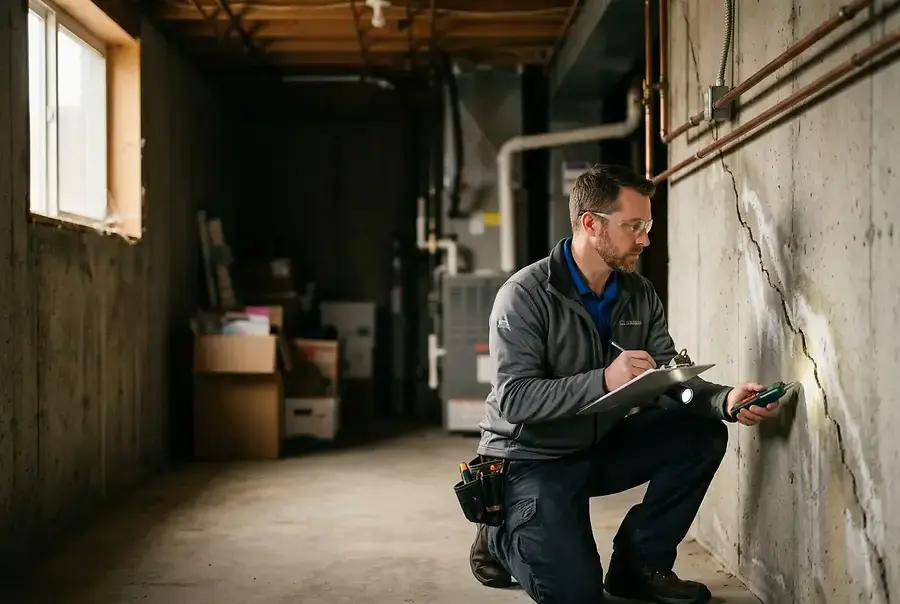
The foundation is your home's most critical structural component. Foundation problems are among the most expensive repairs you can face, often costing $10,000 to $50,000 or more. During your inspection, watch for:
- Visible cracks in the foundation, particularly horizontal or stair-step patterns
- Water seepage or moisture in the basement or crawl space
- Uneven or sloping floors
- Doors and windows that stick or won't close properly
- Gaps between walls and the foundation
If your inspector identifies foundation concerns, request a specialized foundation engineer's report before proceeding. This additional assessment can clarify whether issues are cosmetic or structural.
Roof and Attic Concerns
A roof replacement can easily exceed $15,000, making it essential to assess its condition. Look for:
- Missing, cracked, or curling shingles
- Sagging roof lines
- Leaks or water stains in the attic
- Inadequate ventilation or insulation
- Moss or algae growth indicating moisture problems
Pro tip: Ask your inspector about the roof's remaining lifespan. Most asphalt shingle roofs last 15-20 years. If the roof is nearing the end of its life, factor replacement costs into your offer.
Structural Damage and Pest Infestations
Termites, carpenter ants, and other wood-destroying insects can compromise structural integrity. Signs include:
- Visible damage to wooden beams, joists, or framing
- Hollow-sounding wood when tapped
- Mud tubes on foundation walls
- Sawdust or droppings near wooden structures
If pest damage is discovered, you may need a specialized pest inspection and treatment estimate before deciding whether to proceed.
Mechanical and Systems Issues to Watch For During Inspections
HVAC Systems
Heating and cooling systems are essential for comfort and can cost $5,000-$10,000 to replace. During inspection, your inspector should:
- Test both heating and cooling functions
- Assess the age and condition of the unit
- Check for proper airflow and ductwork integrity
- Evaluate thermostat functionality
Ask about the system's age and maintenance history. Well-maintained systems last longer, while neglected ones may fail soon after purchase.
Plumbing Problems
Water damage from plumbing issues can be catastrophic. Key concerns include:
- Slow drains or frequent backups
- Water pressure issues
- Corroded or outdated pipes (galvanized or polybutylene)
- Evidence of leaks under sinks or around toilets
- Water stains on ceilings or walls indicating hidden leaks
Outdated pipe materials are particularly concerning. Polybutylene pipes, common in homes built in the 1980s-1990s, are prone to failure. Replacing plumbing throughout a home can cost $8,000-$15,000.
Electrical System Safety
Faulty electrical systems pose fire and safety hazards. Your inspector should verify:
- Adequate grounding and proper circuit breaker function
- Absence of outdated Federal Pacific or Zinsco panels (known fire hazards)
- Sufficient outlets and proper GFCI protection in wet areas
- No exposed wiring or improper connections
If the home has an outdated electrical panel, budget $1,500-$3,000 for replacement.
Taking Action: When to Negotiate Repairs or Walk Away
Prioritizing Issues
Not every inspection finding requires action. Categorize issues as:
- Critical: Safety hazards or structural problems (foundation, electrical, roof)
- Major: Systems nearing end of life (HVAC, plumbing, water heater)
- Minor: Cosmetic issues or routine maintenance items
Negotiation Strategies
Once you have the inspection report, you have several options:
- Request repairs: Ask the seller to fix critical issues before closing
- Request credits: Negotiate a price reduction to cover repairs yourself
- Request inspections: Ask for specialized assessments (foundation, pest, HVAC) to clarify costs
- Renegotiate the offer: Adjust your purchase price based on repair estimates
Get written estimates from licensed contractors for major repairs. This gives you concrete numbers for negotiations and protects you from inflated claims.
When to Walk Away
Sometimes, the smartest decision is to walk away. Seriously consider withdrawing your offer if:
- Foundation damage is extensive or requires underpinning
- The roof needs immediate replacement and the seller won't negotiate
- Electrical or plumbing systems require complete replacement
- Mold or severe water damage is present
- The cost of repairs exceeds your budget or the home's market value
Remember, there will be other homes. Protecting your financial future is more important than falling in love with a property that has serious issues.
Final Thoughts
A comprehensive home inspection is your best defense against costly surprises. Take time to review the full report, ask your inspector questions, and get professional opinions on significant findings. By understanding what to look for and knowing when to negotiate or walk away, you'll make a confident, informed decision about one of life's biggest purchases.